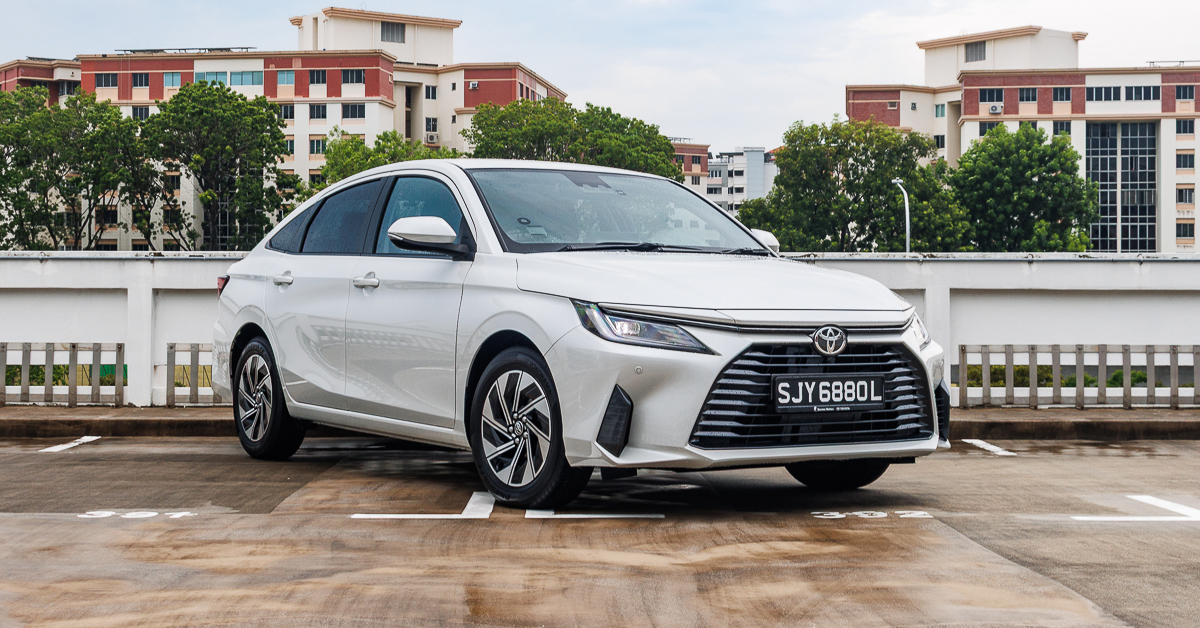


Toyota’s new Vios takes on a very different world than when it was first introduced. Will a fuel-sipping hybrid powertrain be enough to attract its intended audience?
Singapore – I’d be straight to the point. Buyers looking for an entry-level car today have more choices than when Toyota first unveiled the first iteration of the Vios sedan in the early 2000s.
Slowly, but surely entry SUVs (like the Honda HRV, and its grey import sibling) and later on, a wave of Chinese EVs have taken over as the vehicle of choice. Therefore it is now a tougher environment for Toyota’s entry sedan to stay relevant. But to its credit, the fourth generation Vios has evolved quite a bit over previous iterations.
Riding on the successful formula of its predecessor, the Corolla-based Soluna, the first generation Vios was a popular choice; for those looking for a value for money buy. I vaguely remember in the early 2000s, the budget sedan retailing at around the early 60k mark… when COE prices were “normal”. The Vios provided owners with what they needed then – space for five, a decent boot and a dependable powertrain. So popular was the first-generation car, that you can still find some examples plying our streets.
Humble as it is meant to be, today the Vios is going to set you back an outrageous $190,888*, complete with COE, and a VES A2 rebate. The pricing isn’t too far from its one-rung-higher Toyota Corolla sibling, which retails at $195,888. For more context, the Corolla competitors like the Mazda 3 and Skoda Octavia both retail at just a little under $200,000*. If your argument would be that “none of those have hybrid drivetrains”, then the Hyundai Avante Hybrid, which is also one notch higher, and which I feel is pretty well put together, would set you back $186,999*.
Enough rambling! How about the car?
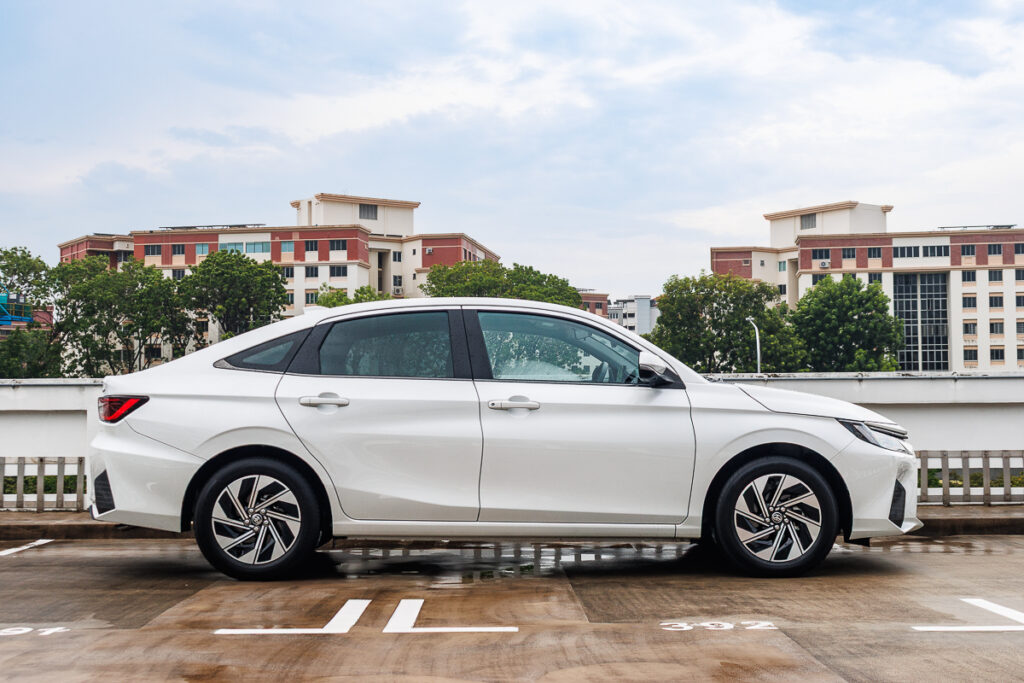
Strictly speaking, the 4th-generation Toyota Vios is not a sedan, but rather a fastback. Externally, it is almost identical in size to its predecessor, but what is significantly different is that its wheelbase has been lengthened by 70mm, to 2,620mm; much of this goes to improved legroom at the rear. However, the new sloping roofline does eat away at some headroom. The latter is not a dealbreaker for anyone averaging 170cm, but for anyone above 175cm in height, you’d likely find your head contacting the roof liner.
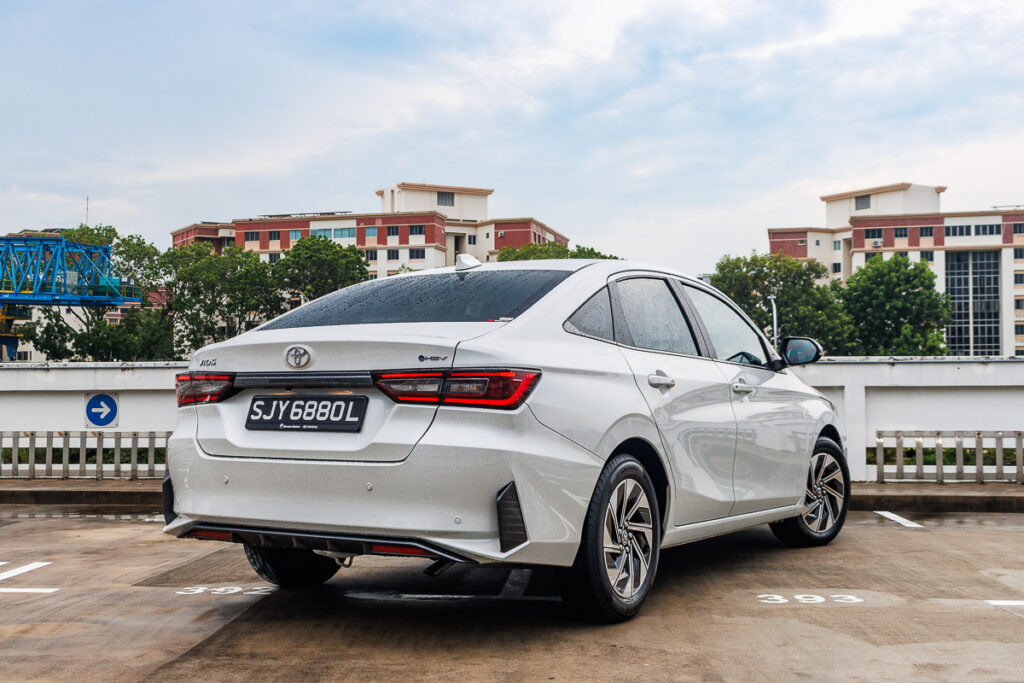
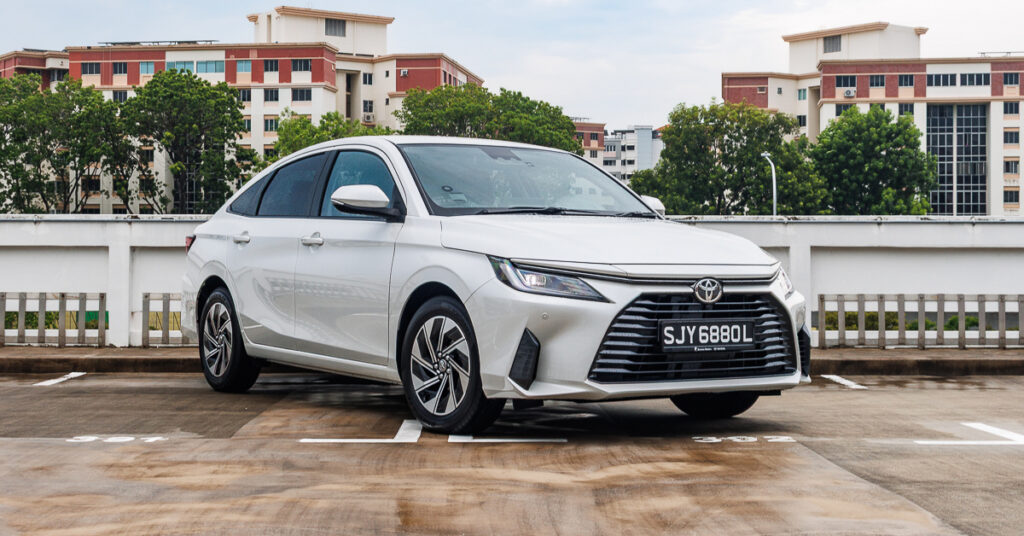
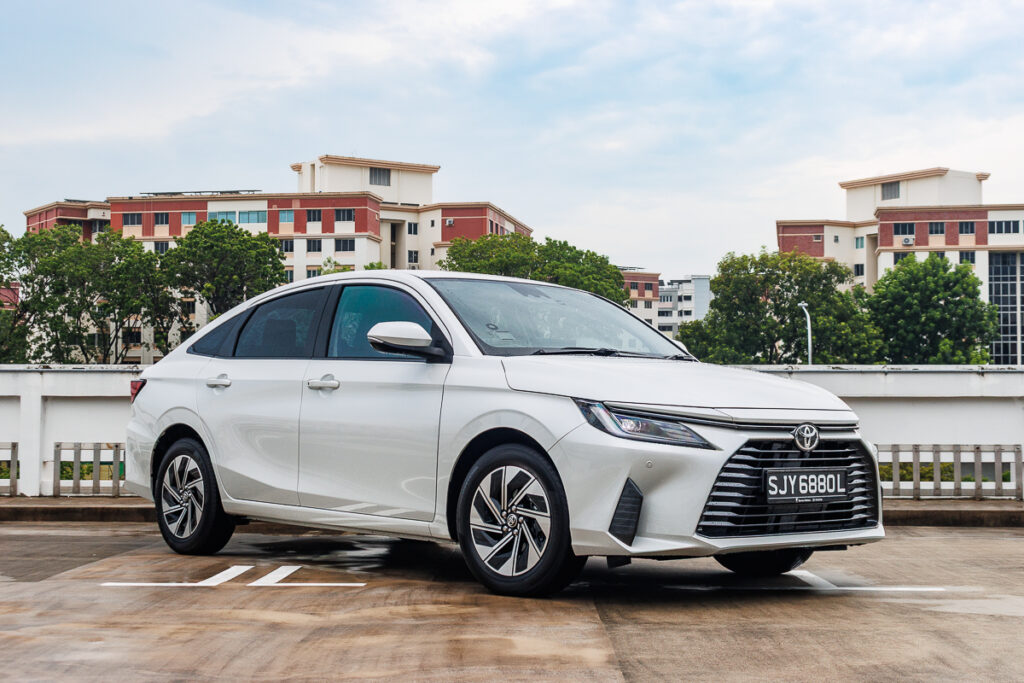
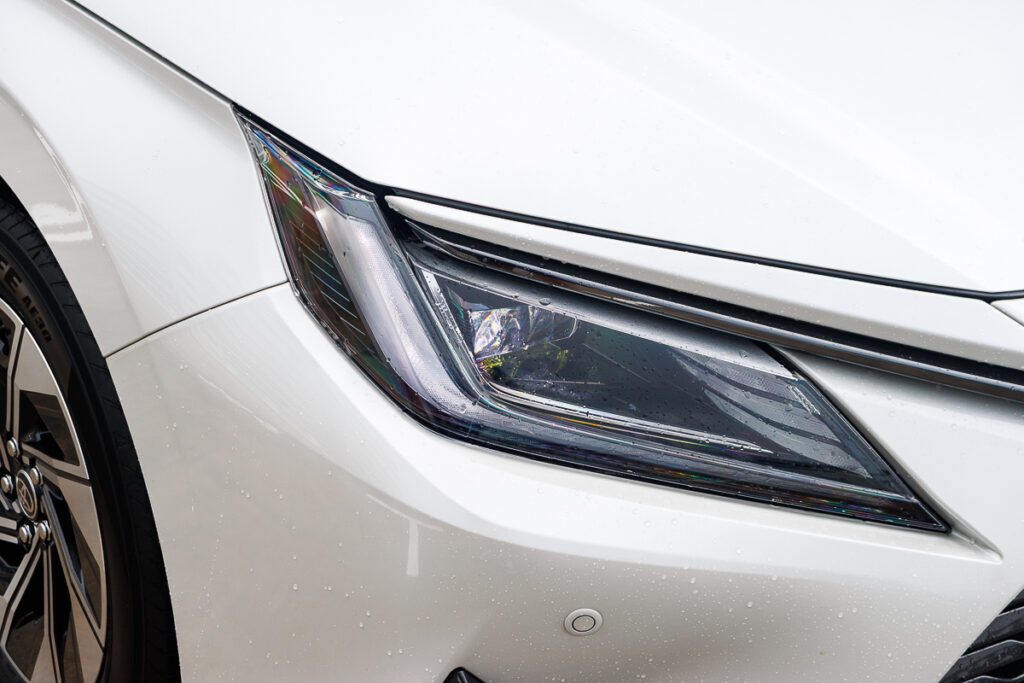
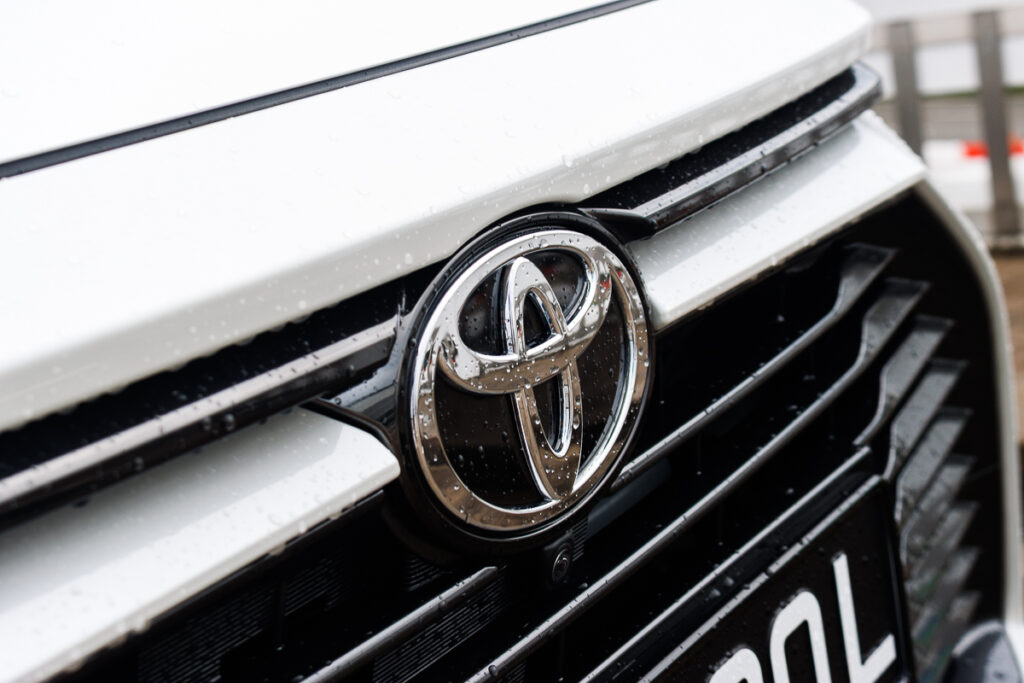
I am glad that the fourth generation Toyota Vios is more visually appealing than its predecessor. The new car’s front end carries on it the same “displeased walrus mustache” as the pre-facelift Corolla Cross. All of this sits between aggressively-sculpted LED headlights. At the rear, the Vios differentiates itself from its more costly Corolla sibling, with a distinctive twin-bar lighting signature.
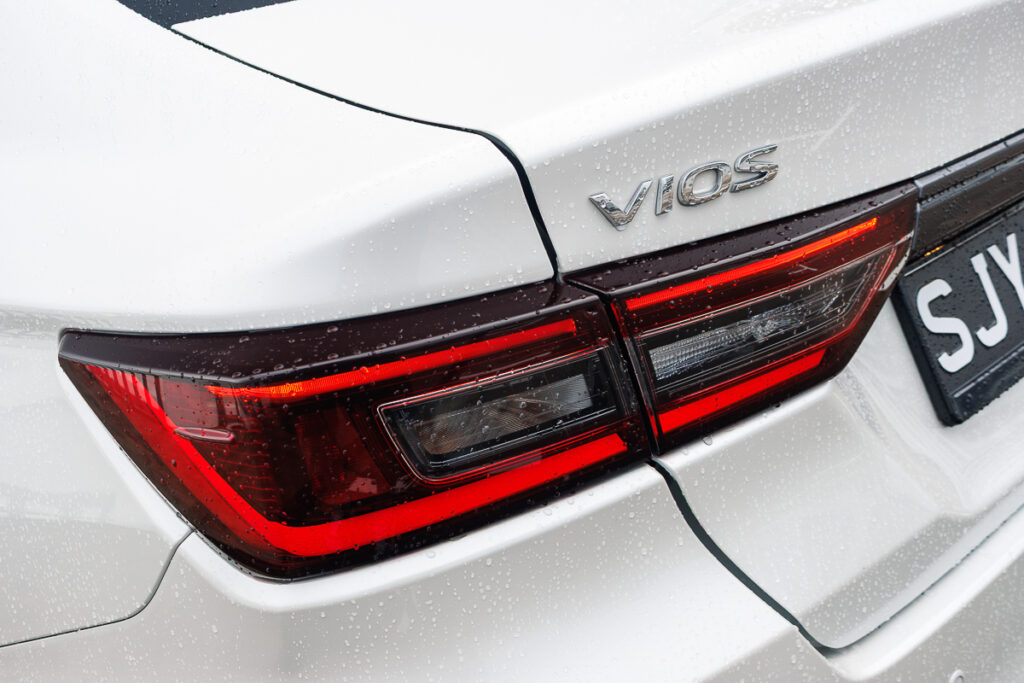
I also like that planners have kept the Vios practical, by having it fitted with 16-inch wheels, which would mean that tyre replacements are not going to burn a hole in your pocket.
While you still do get your fair share of scratchy cheap-o plastics on the inside, Toyota has put in some effort in replacing this with a few soft-touch surfaces. Also, that overdose of horrendous frosted silver trim has been significantly reduced, and replaced with more tasteful piano gloss surfaces. Then again, remember that improvements always come in steps. Do you remember the trend of the 2000s and early 2010s, where many of our non-luxury car interiors were slathered in dog poo faux walnut?
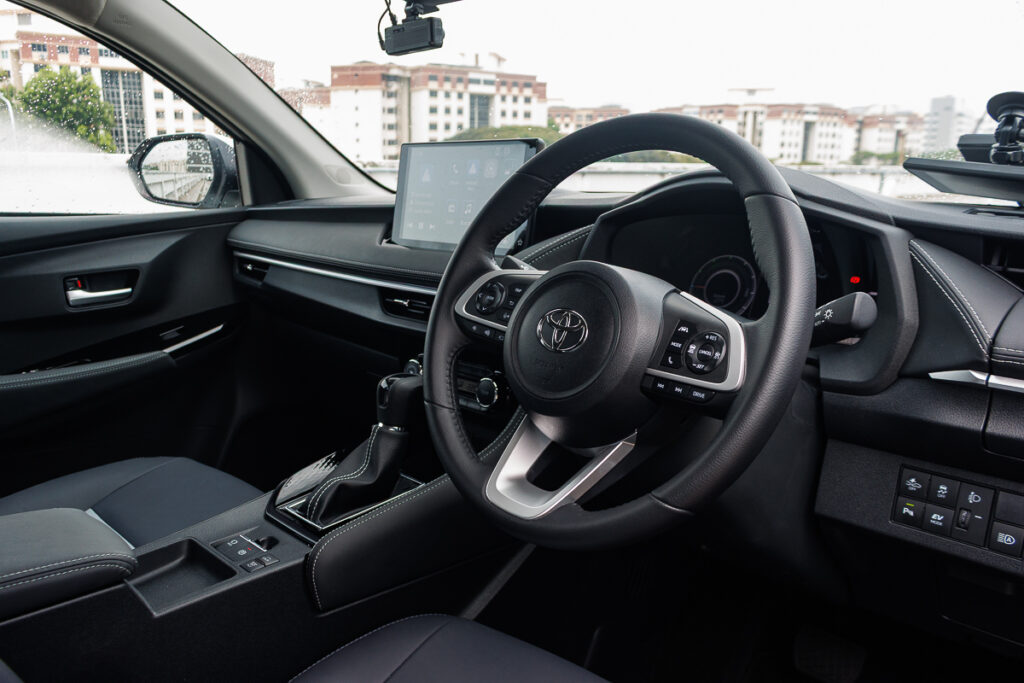
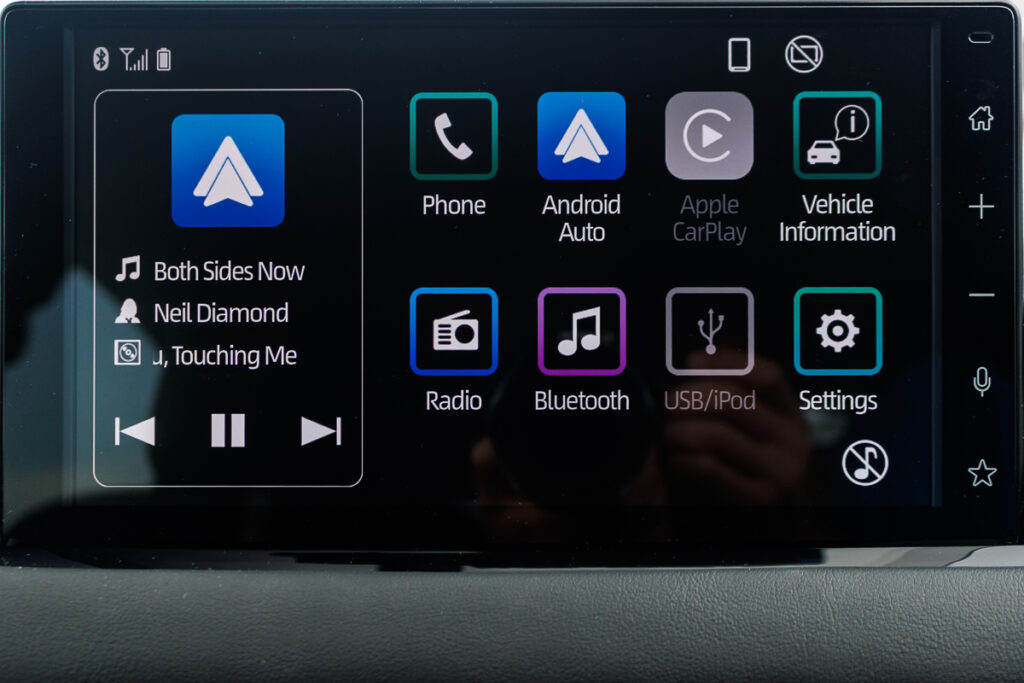
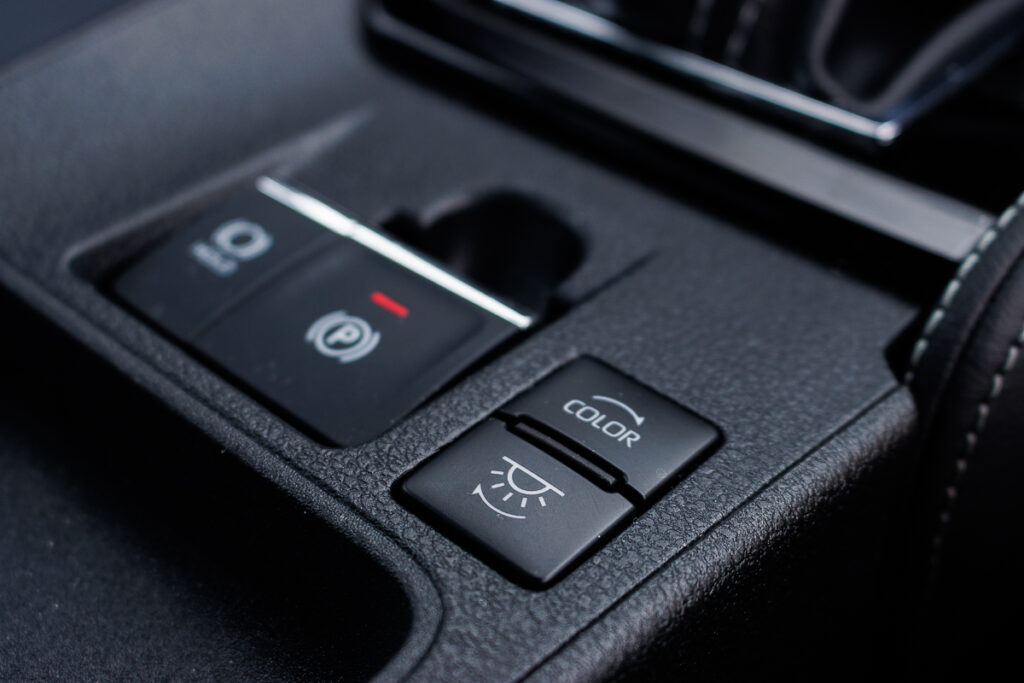
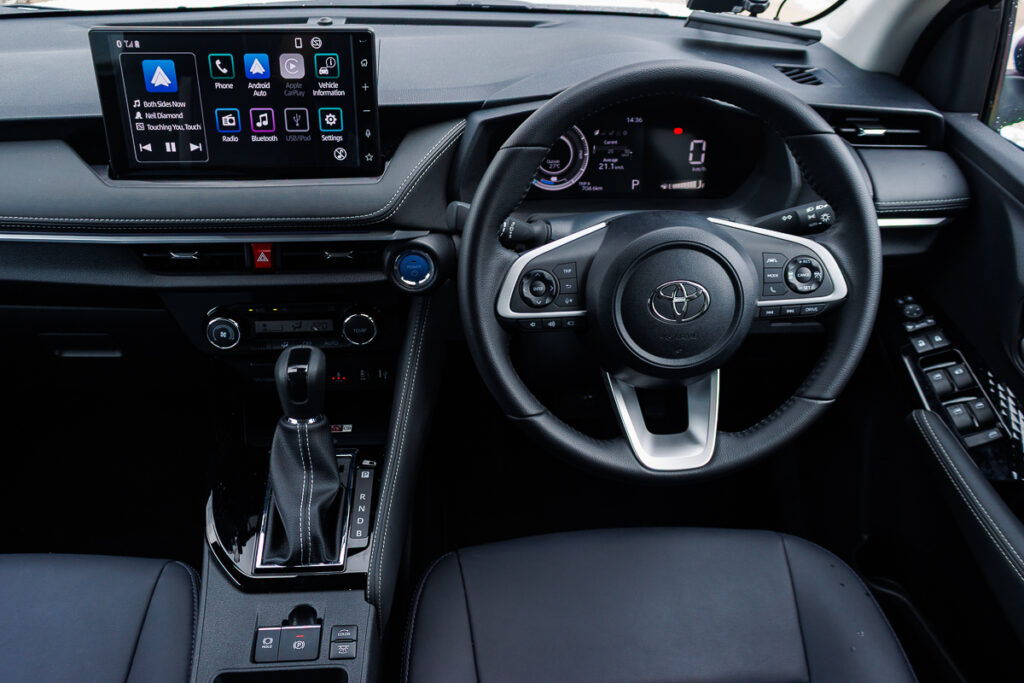
While the new Vios may be anything but luxurious, the amount of features that Toyota has loaded their small sedan with is nothing short of impressive. It now has a 7-inch digitised driver display, and a Pioneer-powered 10.1-inch infotainment screen located at the top of the dashboard. While the infotainment unit’s interface does come across as dated, I was quite impressed when I learnt that it offered wireless connectivity for both Android Auto and Apple CarPlay. Audio quality from the sound system though, needs more err… quality. For a degree of customisation, the Vios is fitted with a choice of 64-colour ambient lighting options.
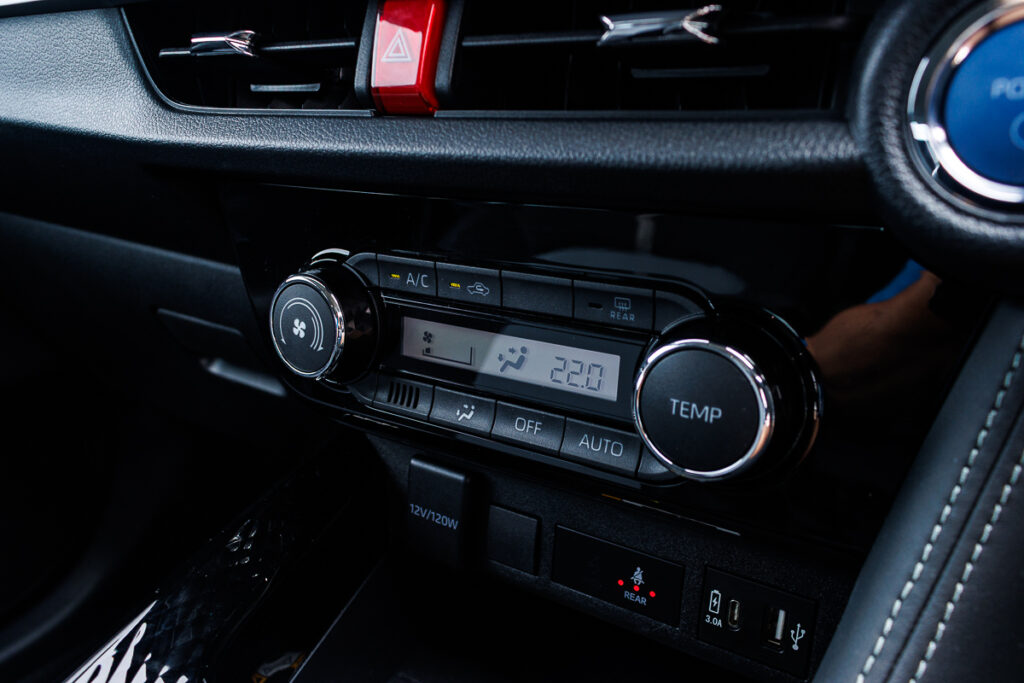
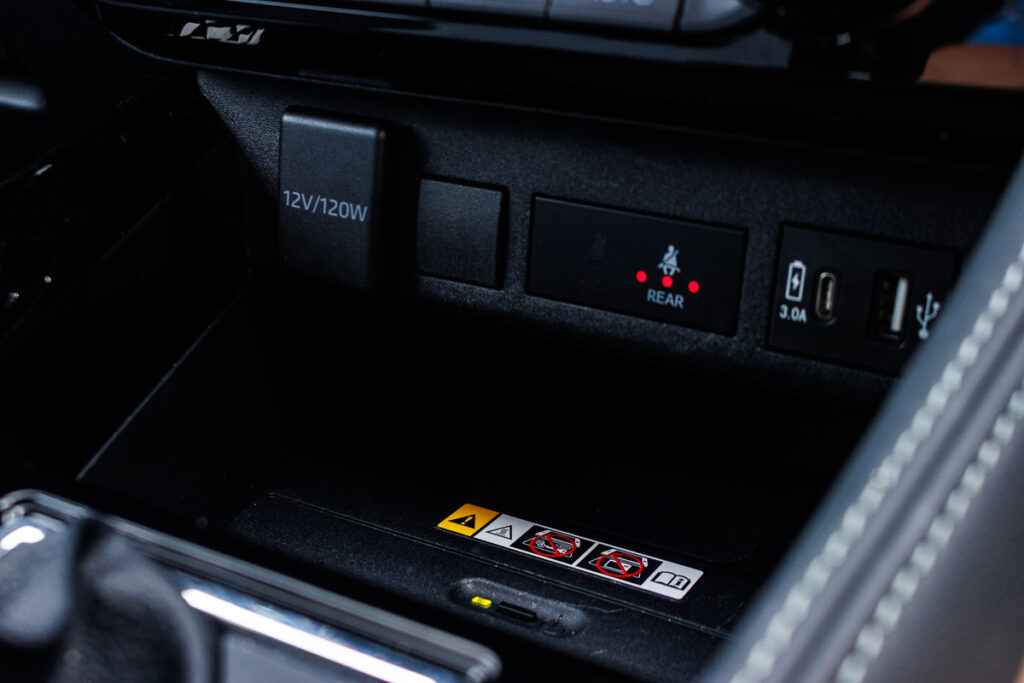
To power your devices, there is a good scatter of USB ports front and rear, and for the first time, the Toyota Vios is also equipped with a wireless charging pad. Other practical touches include stowable cup holders in the front, and rear bottle holders moulded into the door cards.
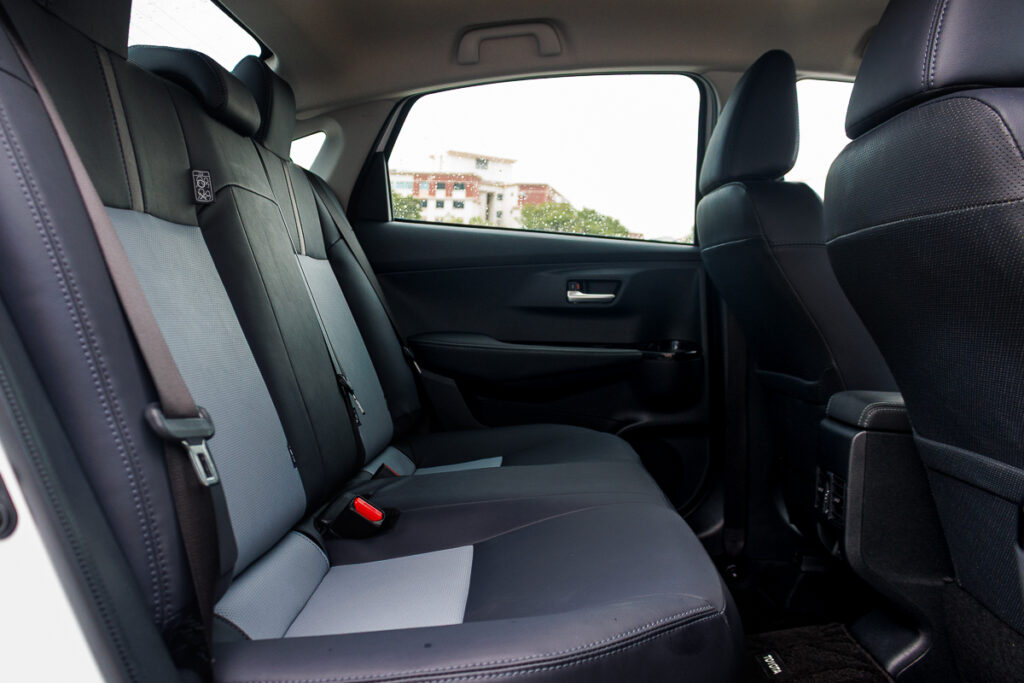
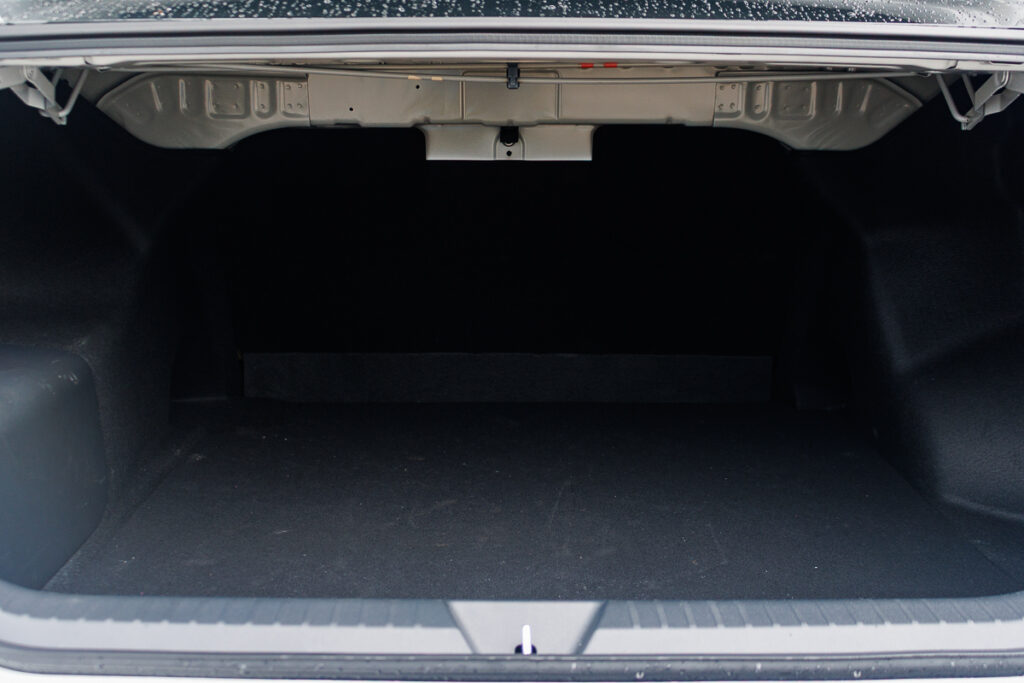
The boot at 460 litres is just 10 litres shy of the larger Corolla’s. However, this time around, the rear seats cannot be folded to provide more cargo room.
For the first time, a fuel sipping hybrid powertrain
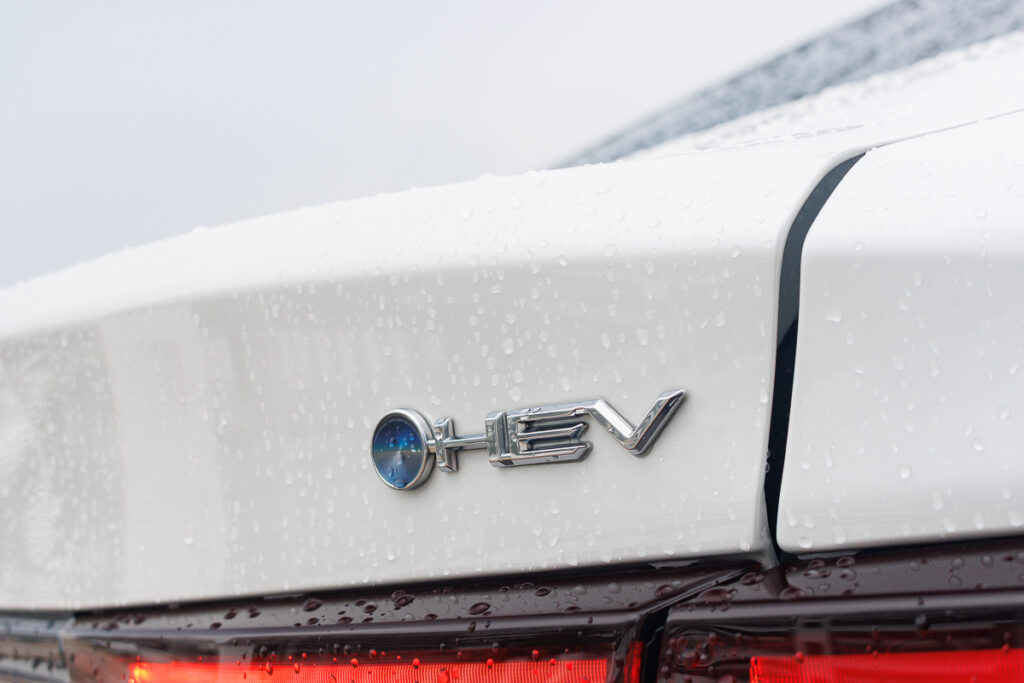
As a first, the fourth-generation Toyota Vios is equipped with a Hybrid Electric Vehicle (HEV) powertrain. Formally known as the Hybrid Synergy Drive (HSD), it consists of a 1.5-litre four-cylinder engine which puts out 90hp, which is paired to their proven e-CVT. The transmission is also the car’s electric drive. System output, which is rated at 112hp and 262Nm feels sufficient for day-to-day runnings.
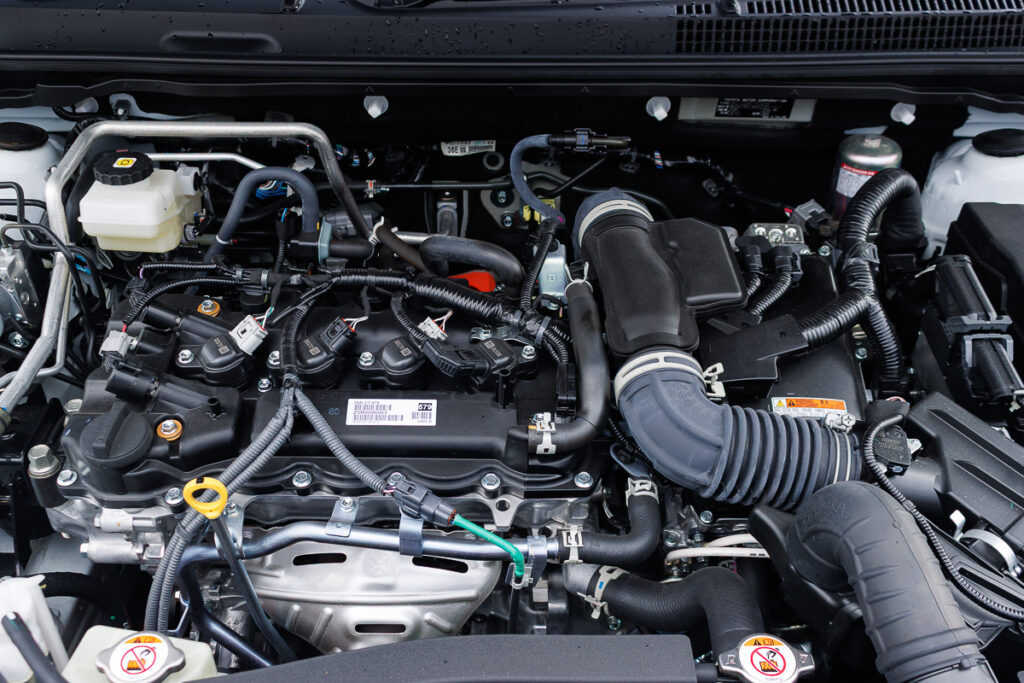
Driven normally, the hybrid powertrain feels smooth, though the engine does feed some vibrations into the cabin. However things do get extremely vocal and coarse the moment you put your foot on the floor – something which plagues all the Toyota hybrid cars that I have driven thus far.
I have to give praise for how the Vios handles though. The suspension, a MacPherson front and a torsion beam rear is the same setup you’d find in previous generation models. While it is tuned to deliver comfort, there is enough firmness dialed in, that the Vios can hold its own, especially around more challenging turns. The rear-end does show its torsion bar tendencies at times, but I like that the rebound is well-sorted.
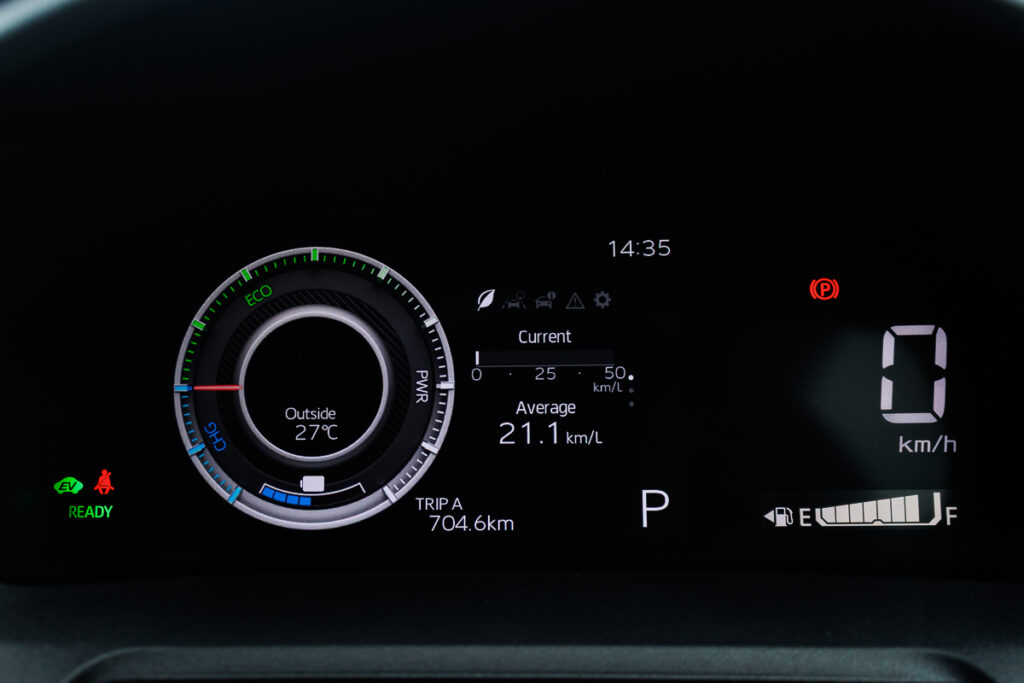
The elephant in the room though, is the fuel economy delivered by the hybrid drivetrain. At its very worst, I managed 18.6km/l, with the help of a very impatient right foot. This is actually very good by ICE and MHEV standards. Give the hybrid powertrain a chance, and you’d find that the Vios not only rewards with a largely near-creamy delivery, but you can achieve anything higher than 25km/l… that is actually remarkable. Officially, Toyota states that the Vios is able to average 27km/l, which I think is a little difficult to obtain in our traffic.
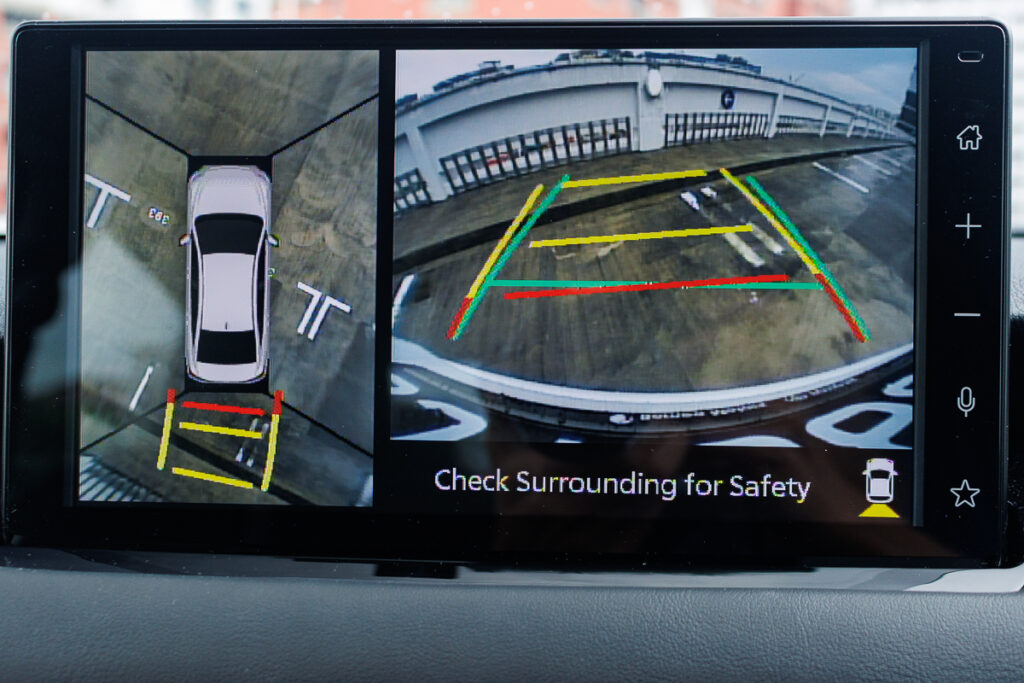
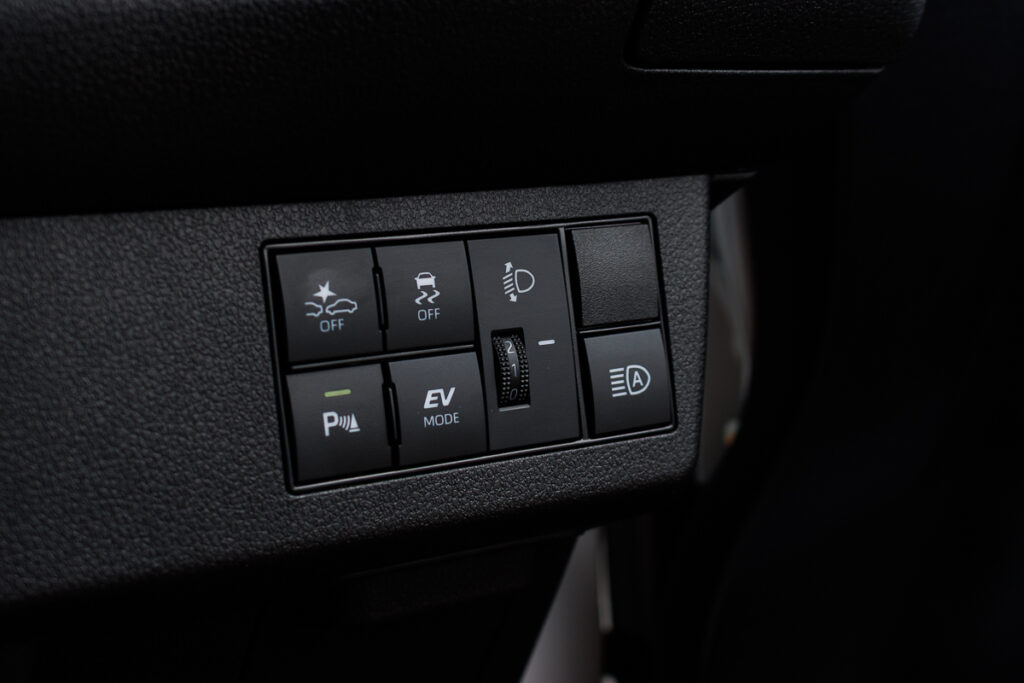
While most things are good, I do have a few pet peeves with the fourth-generation Toyota Vios. For one, the Toyota Safety Sense (TSS) suite, which includes Dynamic Radar Cruise Control (DRCC), Lane Tracing Assist (LTA) and Lane Departure Alert (LDA), tends to sound the alarm way too often. The other would be the dismal lack of sound insulation within the roof. I actually had difficulty holding a decent conversation when it rained.
Therefore frankly, I could do without some of the features the car has, like the ‘Welcome Door Lock’ feature, and the 64 variations of mood lighting. In their place, the Vios could use some old school roof insulation, and maybe somehow, a price reduction.
My thoughts
The fourth-generation Toyota Vios checks plenty of boxes. It is genuinely well-equipped, with features I would have never expected Toyota to feature in a budget car. In-fact, it is one of the cars I truly enjoyed driving this year.
However, in a time where the Chinese EV has won over buyers here, perhaps the biggest enemy of the fourth-generation Toyota Vios would be its price.
*Prices correct at time of publication
Photos & Text: Clifford Chow
| Pros | Cons |
|---|---|
| Fantastic fuel efficiency | Too expensive! |
| Comfortable ride | Dated infotainment, safety suite gets triggered too easily |
| Loaded with features | Not enough insulation in the roof |
Toyota Vios 1.5 eCVT
| Drivetrain | Petrol-electric hybrid |
| Layout | 1,496cc, inline 4 |
| Power / torque | 112hp / 262Nm |
| Transmission | eCVT |
| Efficiency | 27km/l |
| Fuel Capacity | 36 Litres |
| 0-100km/h | 7.7 |
| Top Speed | 155km/h |
| VES Band | A2 |
| Dealer | Borneo Motors |
| Price | S$190,888 with COE and VES |
| Verdict | Hybrid powertrain is a good plus to the fourth-generation Toyota Vios. Impressive equipment levels too. Pity the price. |
- 2026 Audi Q3 Mild Hybrid 1.5 Edition 1 TFSI S tronic Review: A damn good Audi cliché
- 2026 BMW iX3 50 xDrive M Sport Walkthrough

- Defender Dakar: The One That Went from OCTA to Dakar — and Back to the Road

- The Mazda6 Gets a Shock: The mid-size sedan is now an electric fastback
- Mercedes-Benz GLC Goes Electric in Singapore: 687km of Range, Rear-Axle Steering and a Grille with 942 LEDs