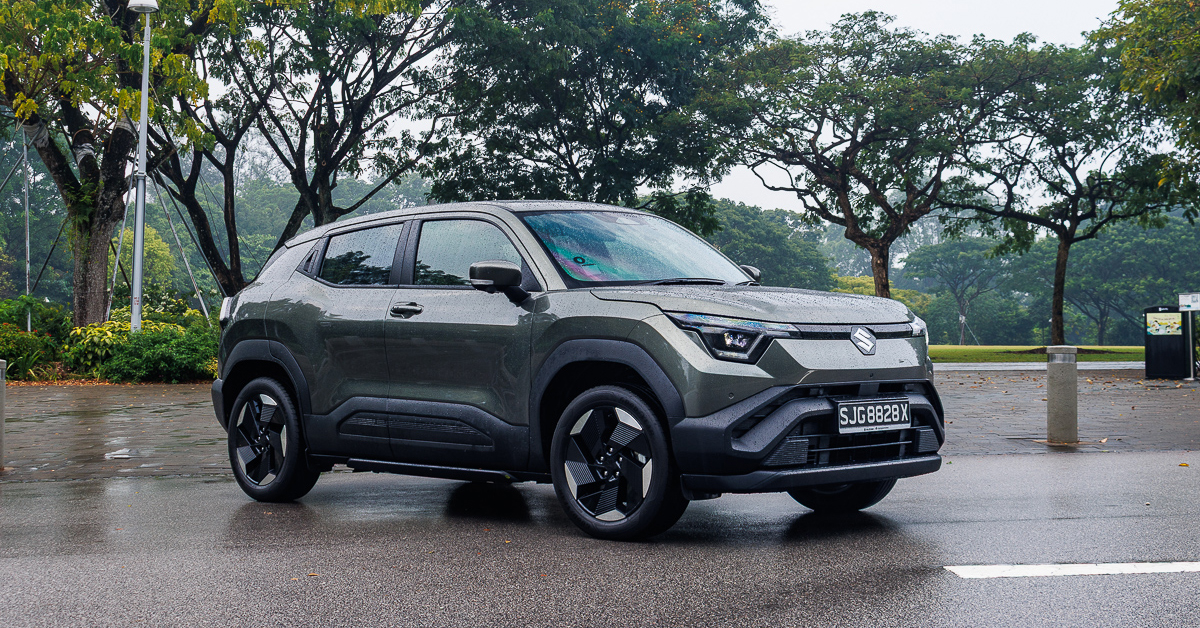


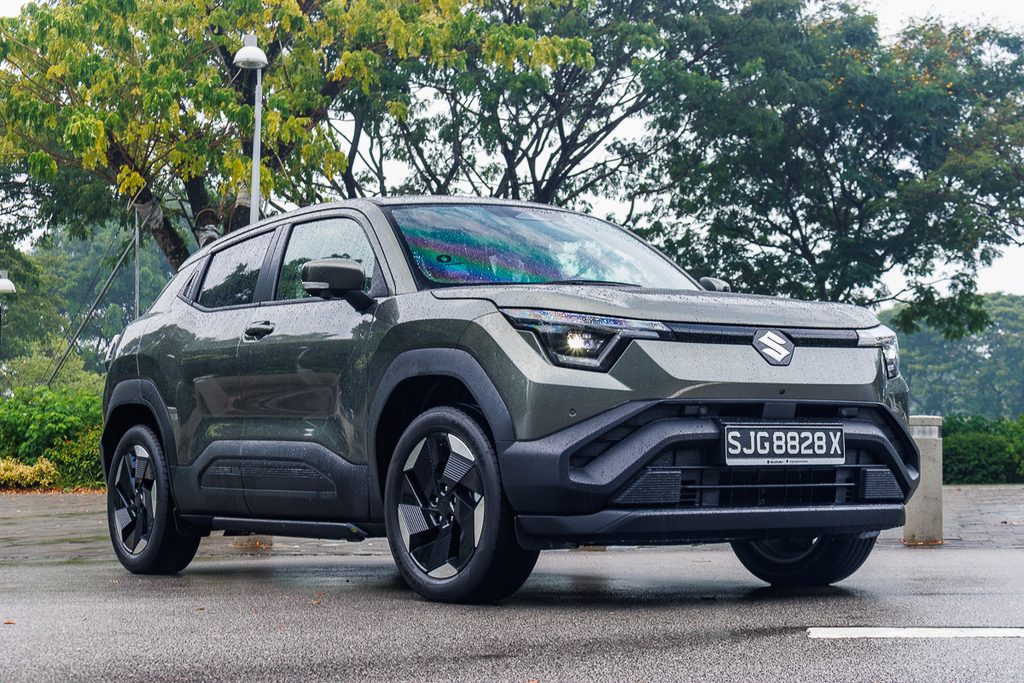
The electric Suzuki Vitara is better than we initially thought. No, it does not do the off-roady bit, but it is incredibly easy to live with.
Singapore — When the first Suzuki Vitara arrived, it was a breath of fresh air. Here was a compact SUV that could handle some serious off-roading while still looking perfectly at home parked beside an alfresco café. It proved popular in Singapore, too.
In its own way, the original Vitara helped give rise to the idea of the “softroader”. But beneath that approachable exterior, it never quite abandoned its off-road credentials. Over the generations, Suzuki expanded the Vitara range to suit changing tastes and needs.
With the new e Vitara, Suzuki now has an electric SUV to cater to the growing appetite for EVs. It may have traded muddy trails for charging cables, but there is more to this little Suzuki than meets the eye.
What do we get?
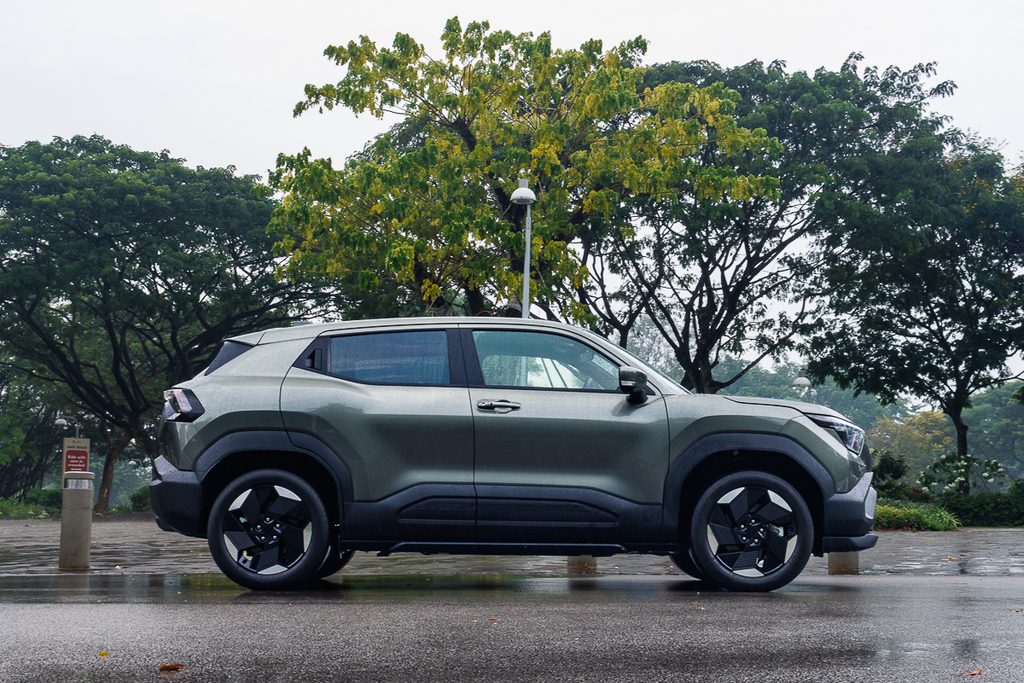
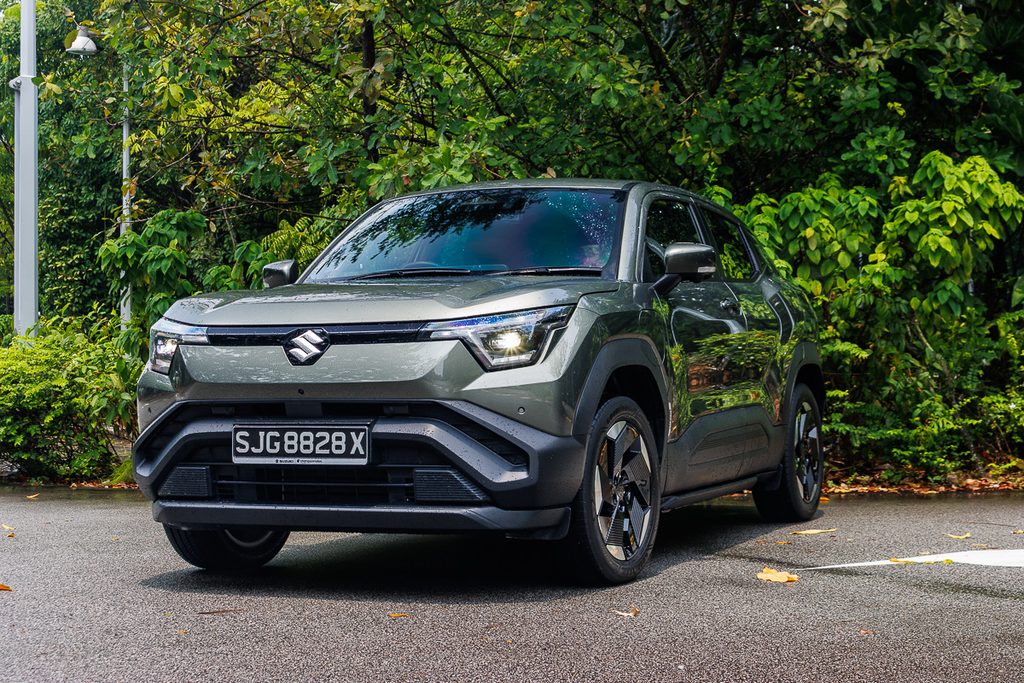
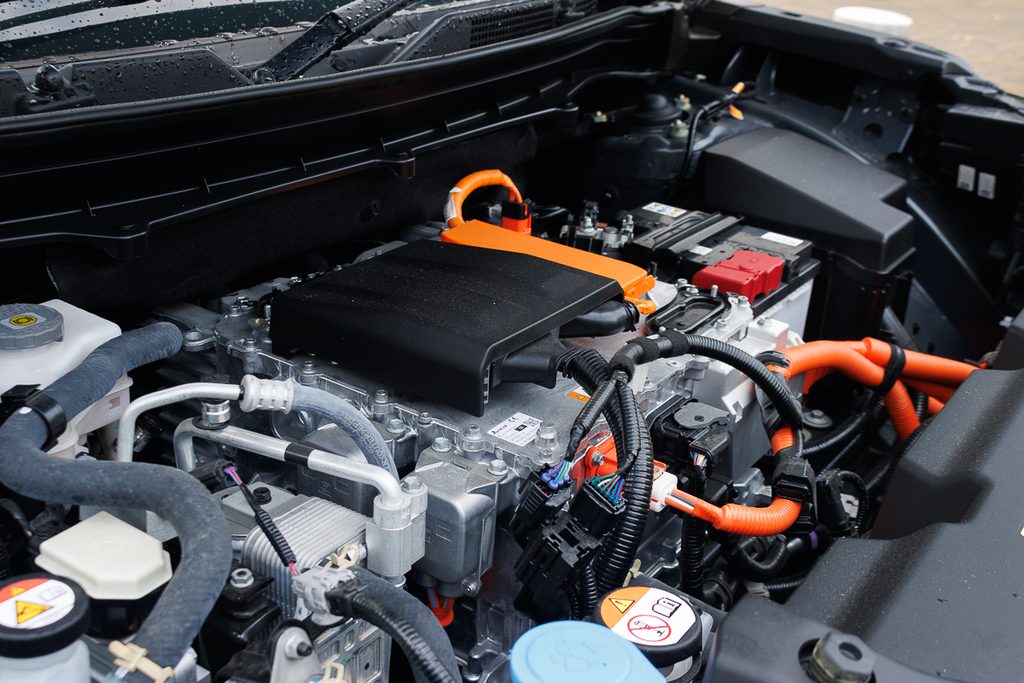
Of the three e Vitara variants offered globally, Champion Motors, Suzuki’s local distributor, brings in the least powerful version. Its front-mounted electric motor produces 142hp and 193Nm, qualifying it for a Category A COE. It retails for $178,888*, which makes it one of the more affordable EVs available at this moment. Its annual road tax, at around S$1,500 is also reasonable.
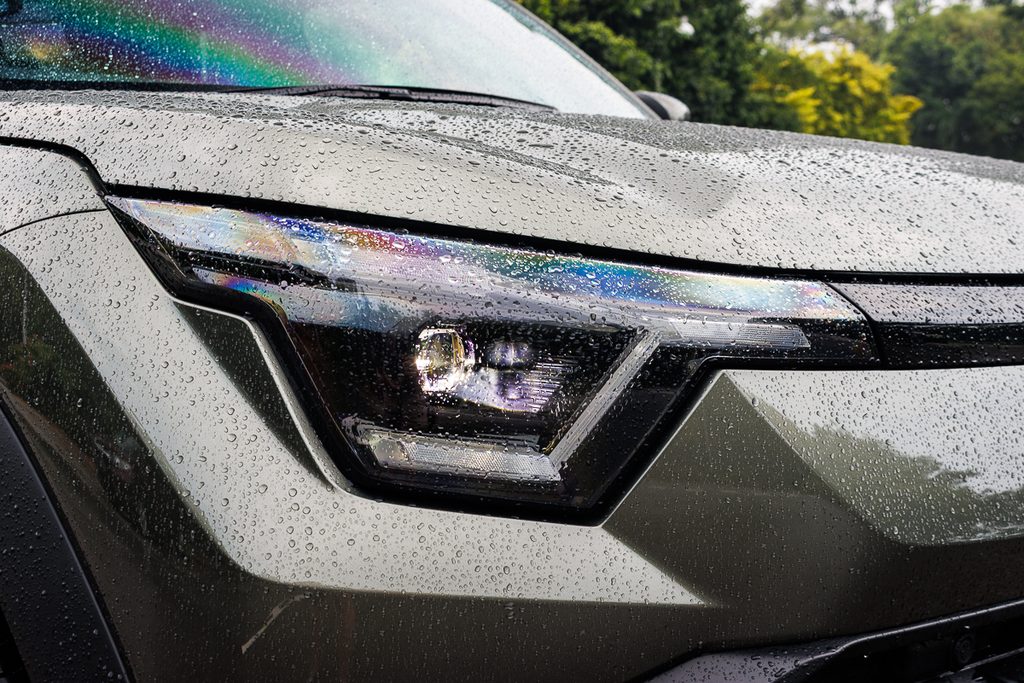
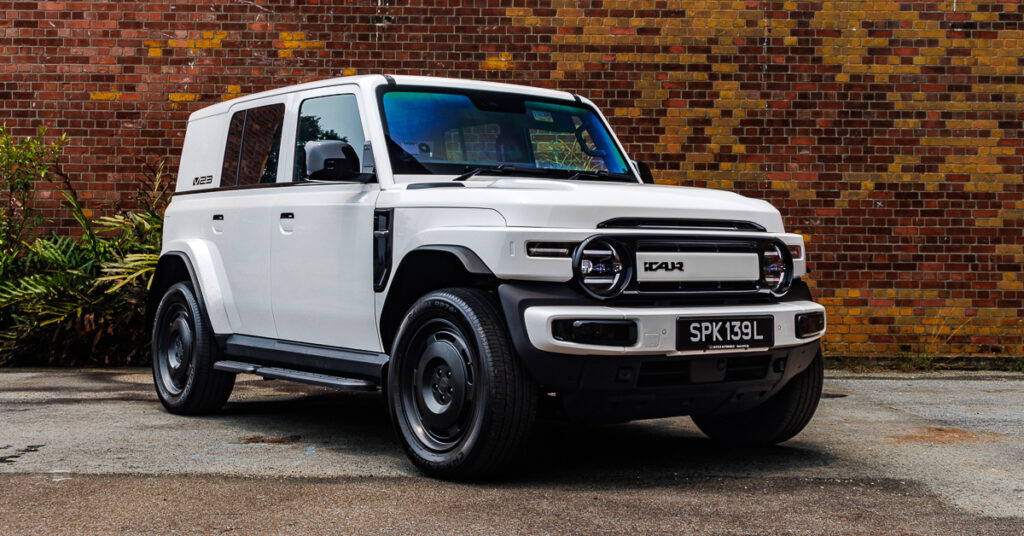
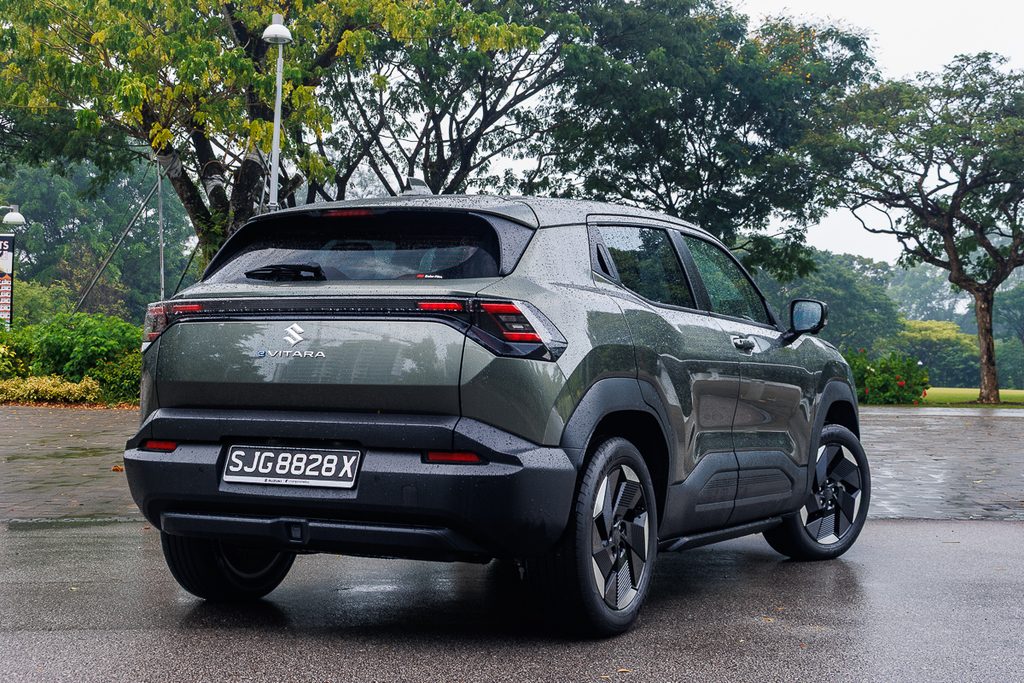
In terms of size, the B-segment SUV is quite similar to the iCAUR V23 we recently reviewed, although the e Vitara sits lower.
If the e Vitara looks somewhat familiar, there is a good reason. We caught a glimpse of its Toyota-badged sibling at Toyota’s CONNECTED IN MOBILITY event a while ago. The Toyota Urban Cruiser shares its fundamentals with the Suzuki, although it wears a different front end and a distinctive rear lighting signature within the same lens housing.
With the Toyota-badged version also expected to join the market, things could get interesting, particularly since both brands are represented by the same local dealership.
Back to the e Vitara, and the usual EV trait is present: it feels quick off the line. Its claimed 0–100km/h time of 9.6 seconds, however, tells you that this is not an SUV particularly interested in chasing traffic-light glory. Once you are up at highway speeds, it feels more unhurried.
A pleasant interior
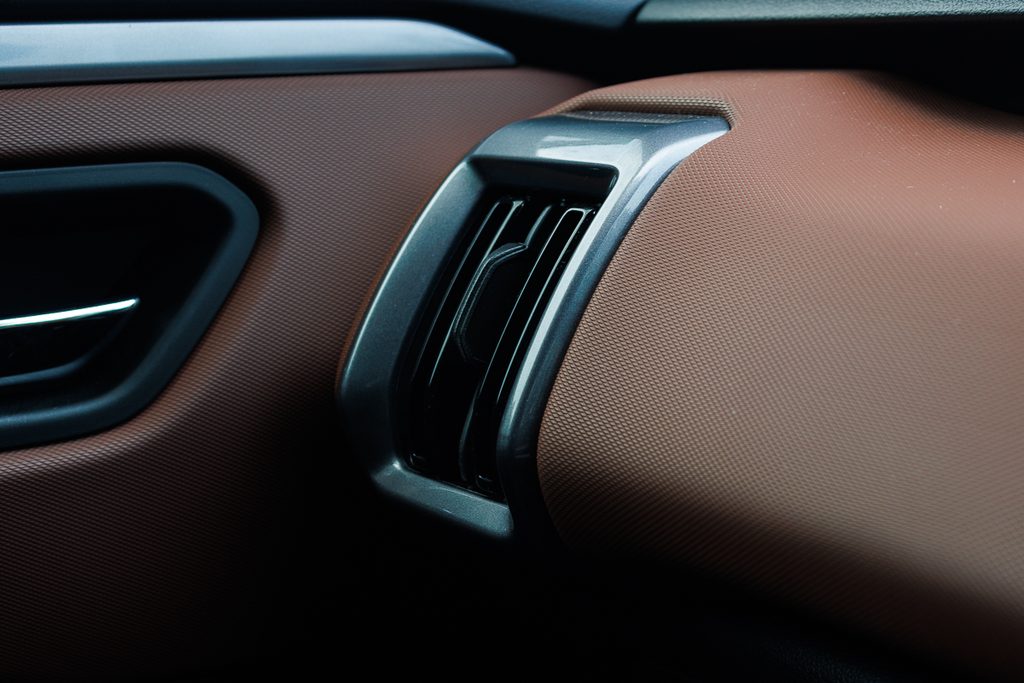
There are plenty of soft-touch surfaces across the dashboard, which give the cabin a more welcoming feel than you might expect. The overall layout is sensible, although the infotainment touchscreen’s interface feels rather dated in this day and age.
A 360-degree camera is useful when manoeuvring in tight spaces, but its resolution leaves much to be desired.
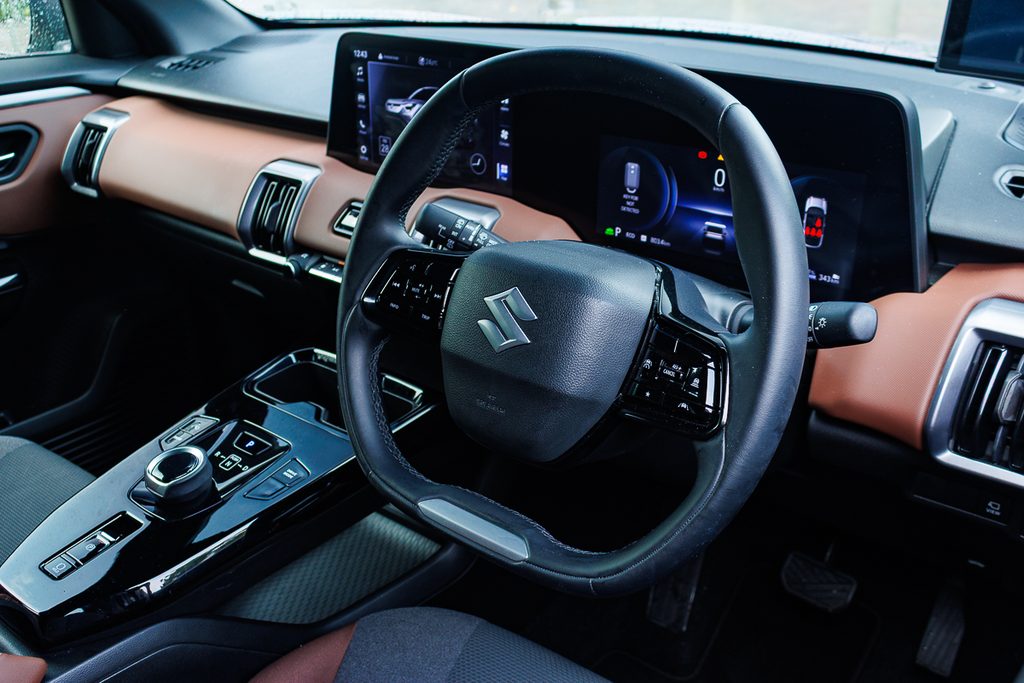
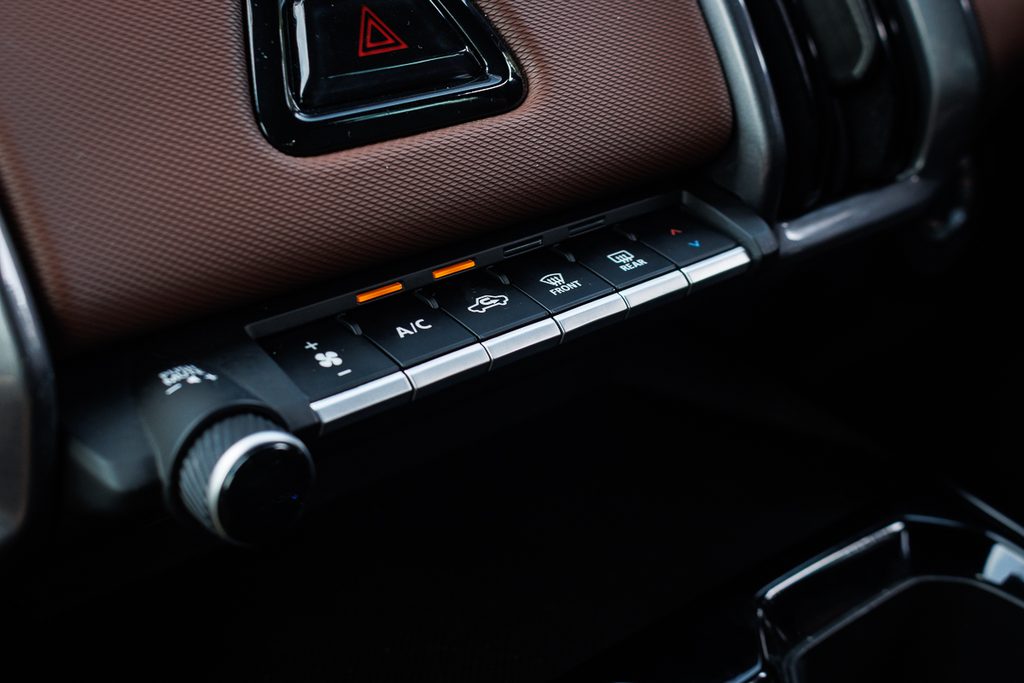
I am, however, glad Suzuki has retained physical air-conditioning controls. They are easier to operate without taking your eyes off the road. A wireless charging pad for your mobile phone would have been welcome, too.
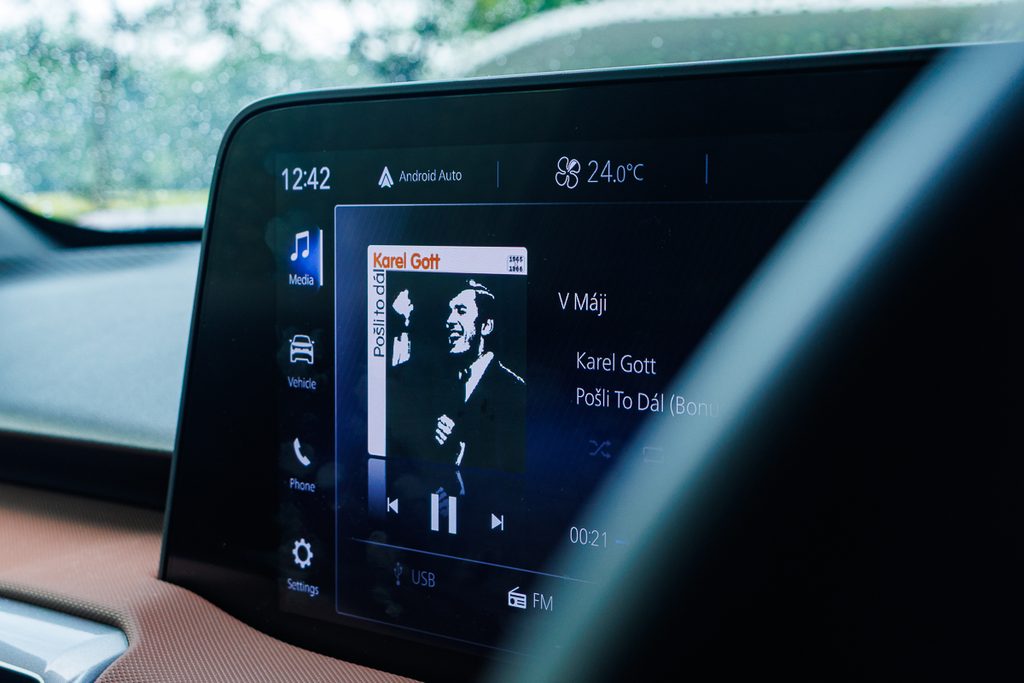
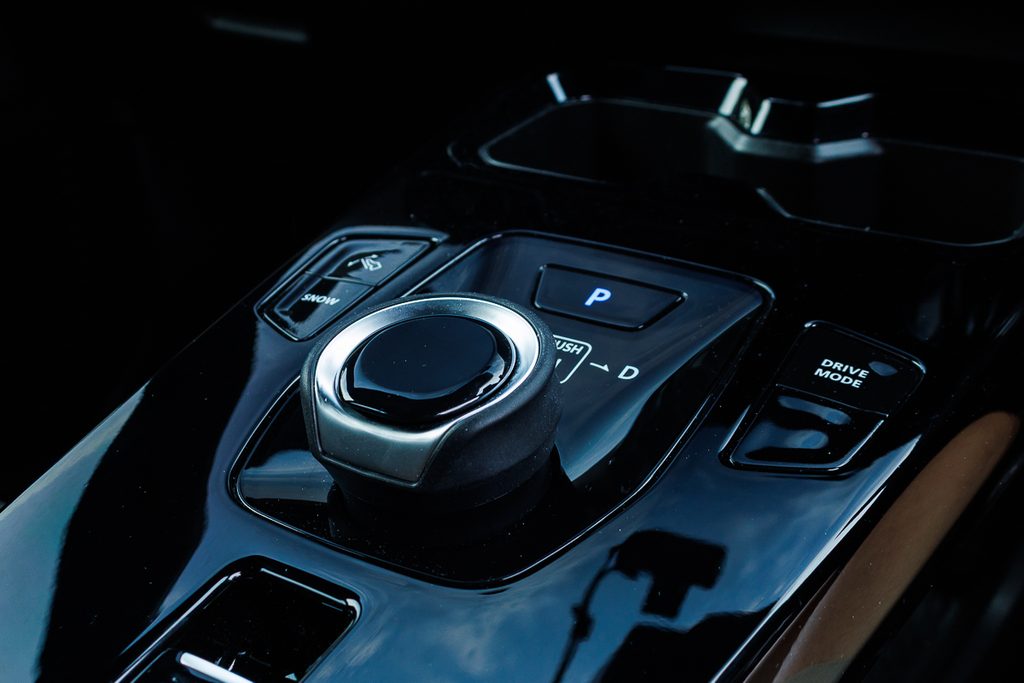
The gearshift knob mechanism, which is carried over from the Toyota bZ4X and Lexus RZ, springs back with a reassuringly solid feel.
Room for the everyday
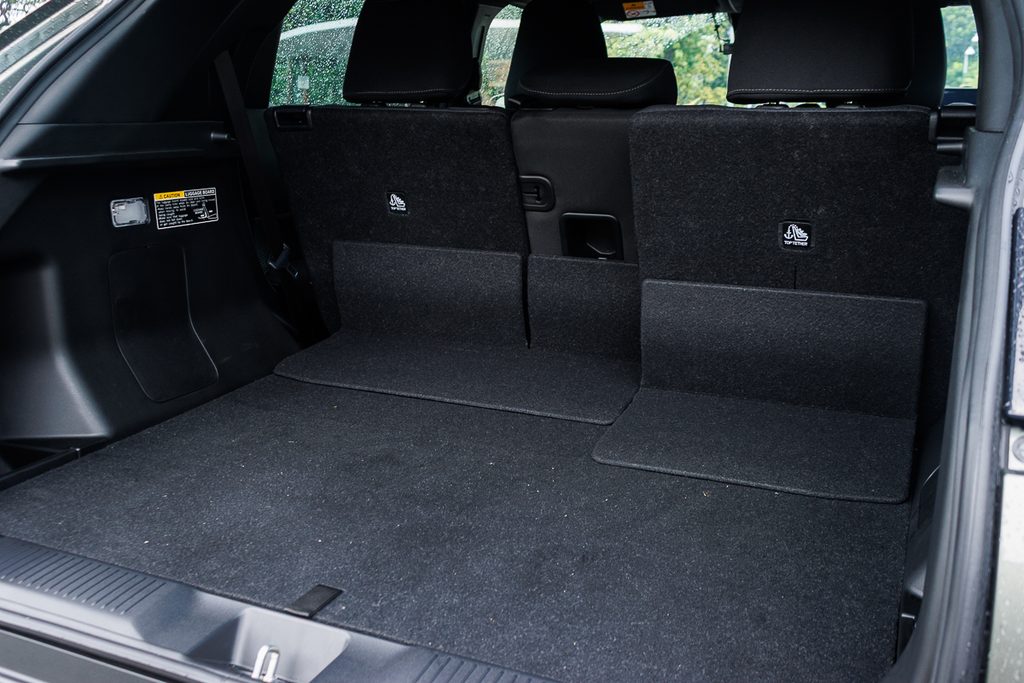
Boot capacity stands at 310 litres. That is not especially generous, and the high loading lip can make it awkward to lift bulkier items in and out.
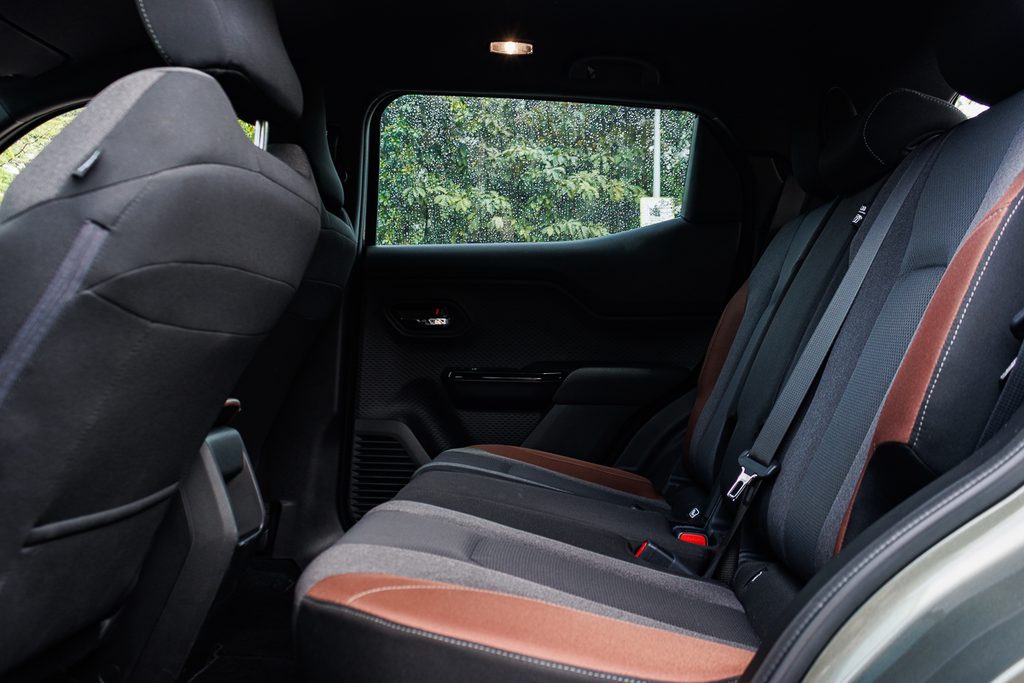
The 40:20:40 split-folding rear seats, score additional points for versatility. The arrangement makes it easier to carry longer items while retaining space for rear passengers — a useful option if your idea of a weekend outing involves more than a supermarket run. But if you need to haul, but still carry the troops, the e Vitara’s rear seats are also able to roll forward to accomodate more cargo.
A different school of thought
Despite the many Chinese EVs I have driven, I particularly enjoyed driving the e Vitara.
It feels more like how a traditional car should drive. The controls are straightforward, the cabin feels well assembled, and the suspension generally prioritises comfort over trying to make every journey feel sporty.
Perhaps it comes down to years of building cars around certain fundamentals. Ride, handling, ergonomics and the way a car responds to its driver are things that take time to get right; they cannot always be perfected simply by adding more screens or a longer list of features.
Built on Suzuki’s HEARTECT-e electric platform, the e Vitara uses MacPherson struts at the front and a multi-link arrangement at the rear. Despite being front-wheel drive, it handles confidently, with understeer largely kept in check.
The ride is comfortable for the most part, which is something I appreciate. There is a caveat, though: the suspension’s rebound can feel rather harsh when dealing with sharper speed bumps. With the weight of the 49kWh battery to manage, the setup does not always settle as gracefully as it should.
Range enough for the routine
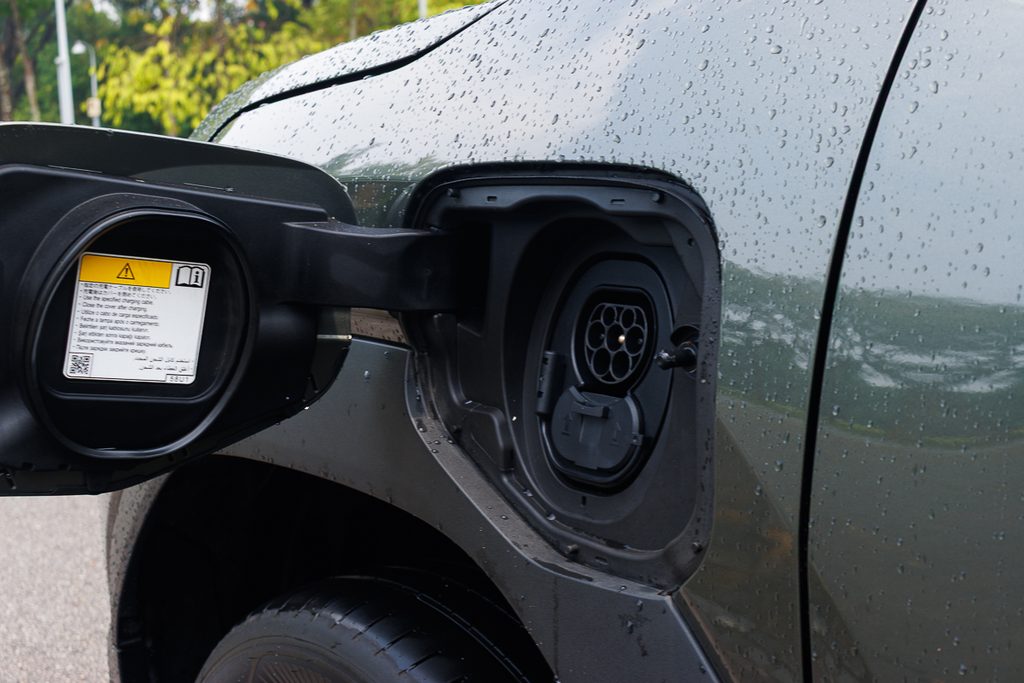
The e Vitara has a 49kWh battery and a claimed average range of 345km. Its quoted energy efficiency of 6.8km/kWh is not class-leading among entry-level electric SUVs, but I would not lose sleep over it.
In everyday use, that claimed range should be enough for between four to five days of commuting before you need to think about plugging in.
A little old school, but not old
Despite the many EVs I have driven of Chinese origin, I particularly liked driving the e Vitara.
It feels more like how a traditional car should drive. Perhaps it is the years of building cars with certain core fundamentals that cannot be honed in a short window of time, which is why the e Vitara is such a confident car you can live with.
Suzuki e Vitara: Frequently asked questions
Is the Suzuki e Vitara available in Singapore?
Yes. The Suzuki e Vitara is offered in Singapore by Champion Motors, Suzuki’s local distributor.
What is the battery capacity of the Suzuki e Vitara?
The Singapore-spec model reviewed here has a 49kWh battery.
What is the driving range of the Suzuki e Vitara?
Suzuki quotes an average driving range of 345km. Actual range will vary depending on driving conditions, speed, weather and use of the air-conditioning.
How powerful is the Singapore-spec Suzuki e Vitara?
The front-wheel-drive version produces 142hp and 193Nm of torque, with a claimed 0–100km/h time of 9.6 seconds.
Is the Suzuki e Vitara comfortable to drive?
The e Vitara has a generally comfortable ride and confident handling. Its suspension can, however, rebound rather sharply over sharper speed bumps.
How practical is the Suzuki e Vitara?
The e Vitara offers a useful cabin with 40:20:40 split-folding rear seats and a 310-litre boot. The high boot loading lip can make loading bulkier items less convenient.
Photos & Text: Clifford Chow
| Pros | Cons |
|---|---|
| Drives well | Infotainment feels dated |
| Has buttons | No charging pad |
| Versatile boot | Boot lip is rather high |
Suzuki e Vitara Electric 49kWh
| Drivetrain | Full Electric |
| Layout | Single Motor, Front-wheel Drive |
| Motor power / torque | 142hp / 193Nm |
| Battery capacity | 49kWh |
| Efficiency | 6.8 km/kWh |
| Electric Range | 345km |
| 0-100km/h | 9.6 seconds |
| Top Speed | 150km/h |
| VES Band | A |
| Dealer | Champion Motors |
| Price | S$176,888 with COE and VES |
| Verdict | Suzuki’s first electric Vitara is surprisingly easy to live with. While it doesn’t do so well on the tech front, it is very confident on the road. The latter is a huge plus for us. |
- Suzuki e Vitara Electric 49kWh Review: A Dose of Vitaramin E
- Proton e.MAS 5 Electric 40.16kWh Review: An Honest Little EV
- CHANGAN Q05 Debuts: A Cat A Electric SUV With Room to Spare
- Toyota bZ4X Touring Arrives in Singapore: More Power, More Space, More Adventure
- MINI Cooper One Arrives in Singapore with a Mondrian Lifestyle Experience