A dab of electrification brings more thunder to the Lamborghini Urus. It also lets it gracefully tiptoe past ever-tightening killjoys… for now.
Singapore – The tightening of emissions rules has made things “interesting” over the last two decades. From “right-sizing” of engines, to the reduction of cylinders. Automakers are forced to get creative, while their cars get increasingly desouled in the process. If you are reading this, you could be the last generation to truly enjoy a car that is not 80-percent touchscreen.
When Lamborghini introduced the Urus, it was a necessary step for the Italian carmaker. The world showed a hunger for ultra luxury SUVs. But this wasn’t Lamborghini’s first rodeo.
It was in the 1980s. A period where pop culture met flamboyance. Down this timeline, Michael Jackson was crowned the “King of Pop”, Madonna, its Queen, and Prince… Well, he was already Prince. The decade saw the now-iconic ‘Live Aid’ concert, and Timothy Dalton was Bond, James Bond. It was in this colourful frenzy, that the Lamborghini LM002 was born. It was an idea that was in every sense ahead of its time. A go-anywhere beast, with the beating V12 heart of the (also iconic in the 80s) Countach. And it was a truck.
Today, you’d be almost spoilt for choice. The Urus competes against the Porsche Cayenne and Bentley Bentayga – both which are sister cars, and it also competes against the Aston Martin DBX. But with the ever tightening of emissions regulations, Lamborghini has responded, and now offers the Urus as a Plug-in Hybrid.
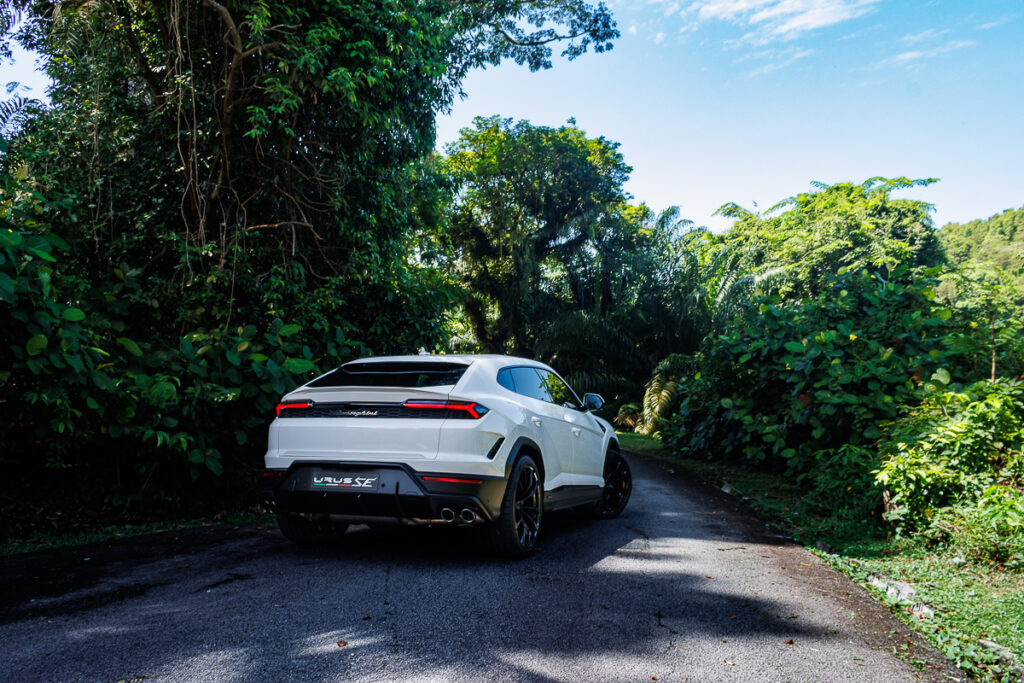
New tags, same drip
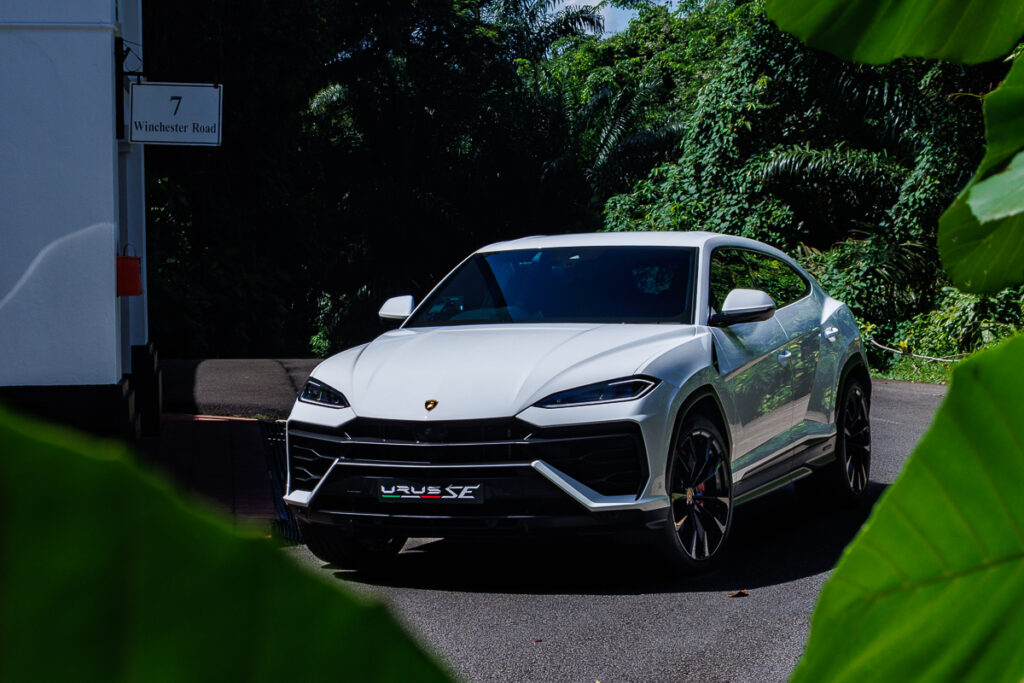
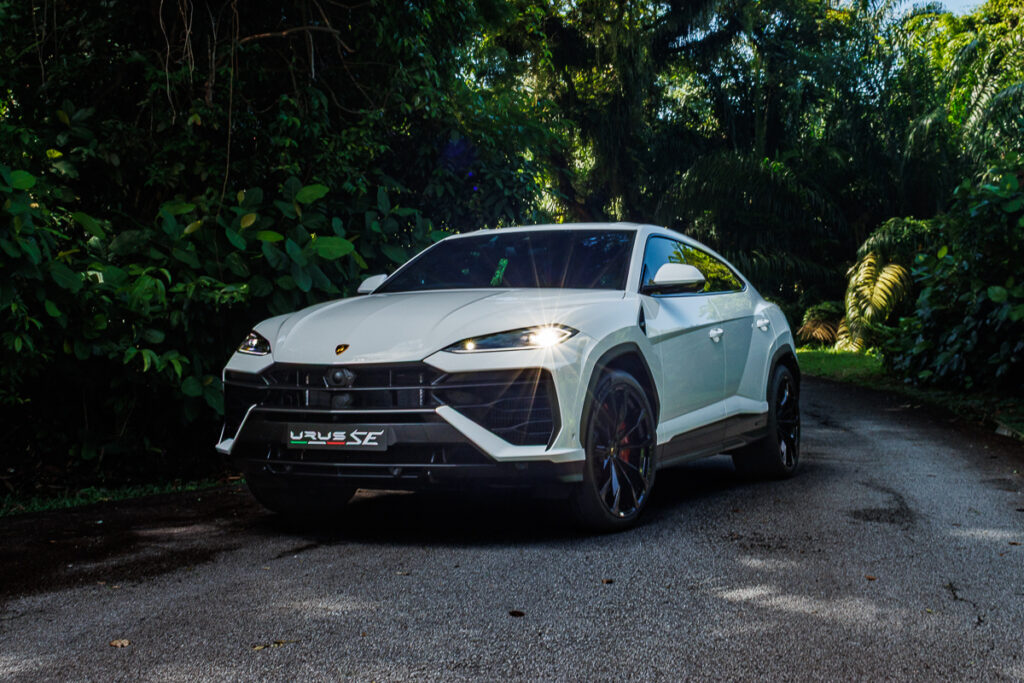
The Urus SE looks identical to the Urus S model it replaced. Extroverted, with sharp creases, and with plenty of play on negative space. Paired with a sloping roofline, the Urus is visually cohesive alongside its mid-engined supercar brethren, like the Revuelto, Temerario, and even the latter’s predecessor, the Huracán.
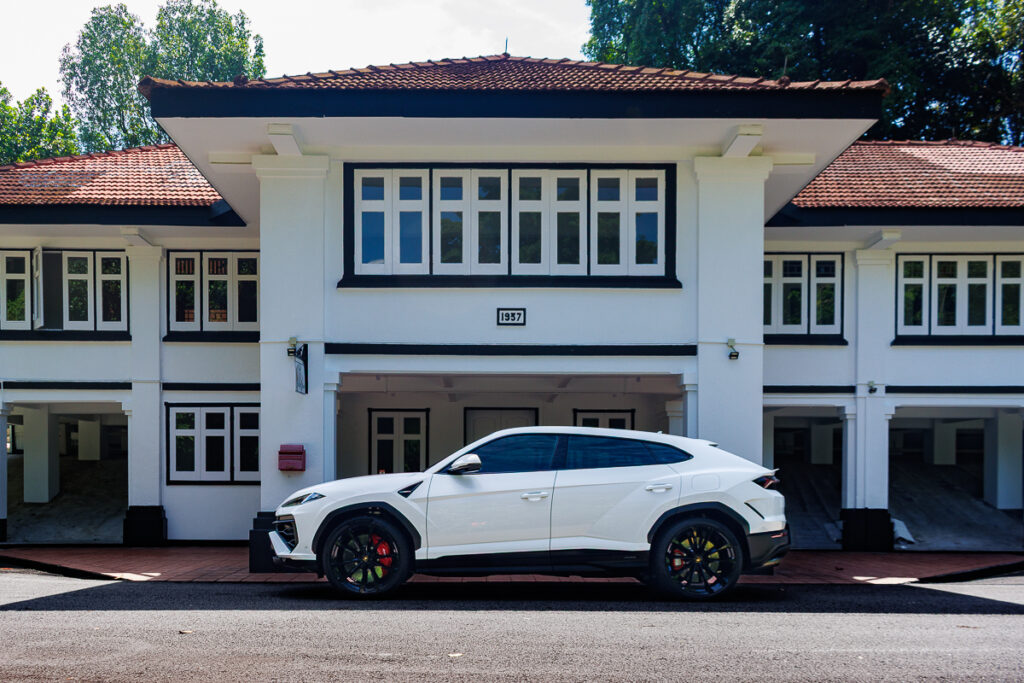
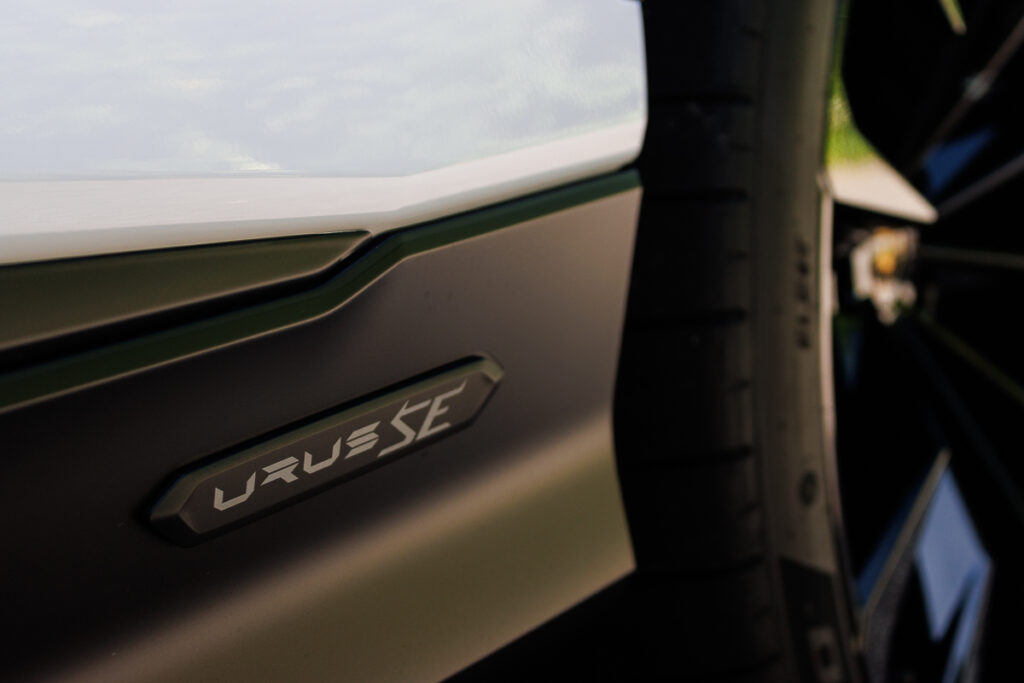
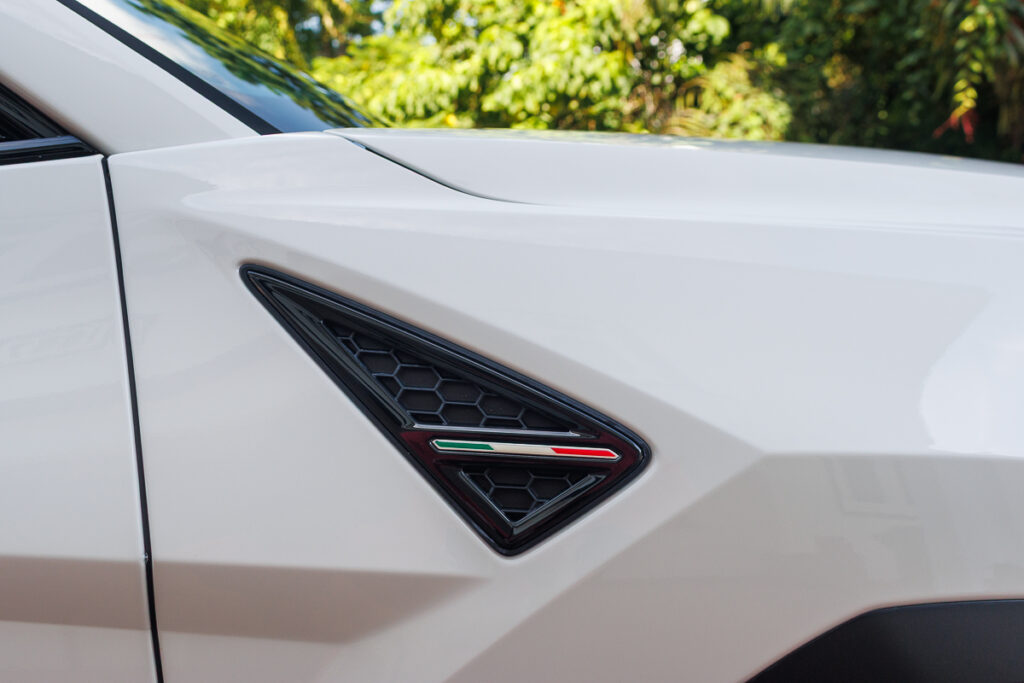
With the SE, the only difference you’d probably notice would be the extra “fuel filler cap” and the “Urus SE” tags that replace the previous “Urus S” ones.
Practical as something that starts with “A” and ends with “I”
The interior feels remarkably practical, with heaps of space to fit a family four. Even with the sloping roofline, headspace at the rear is sufficient for the average adult. The Urus SE has a 616 litre boot, which is moderately larger than the Audi RS Q8 sister car that it is heavily based on.
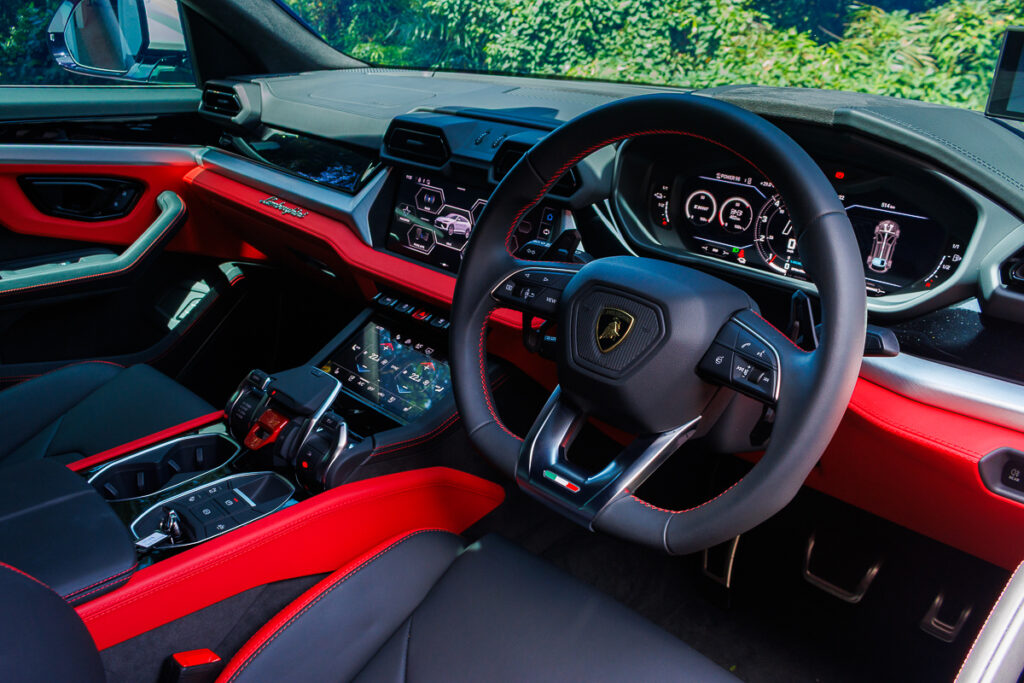
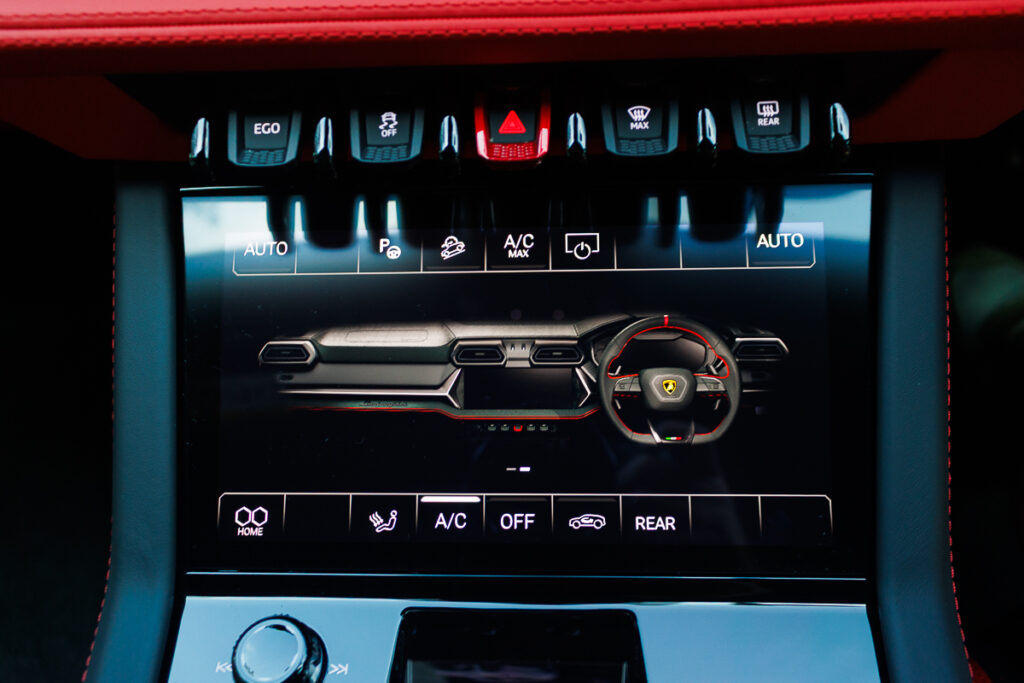
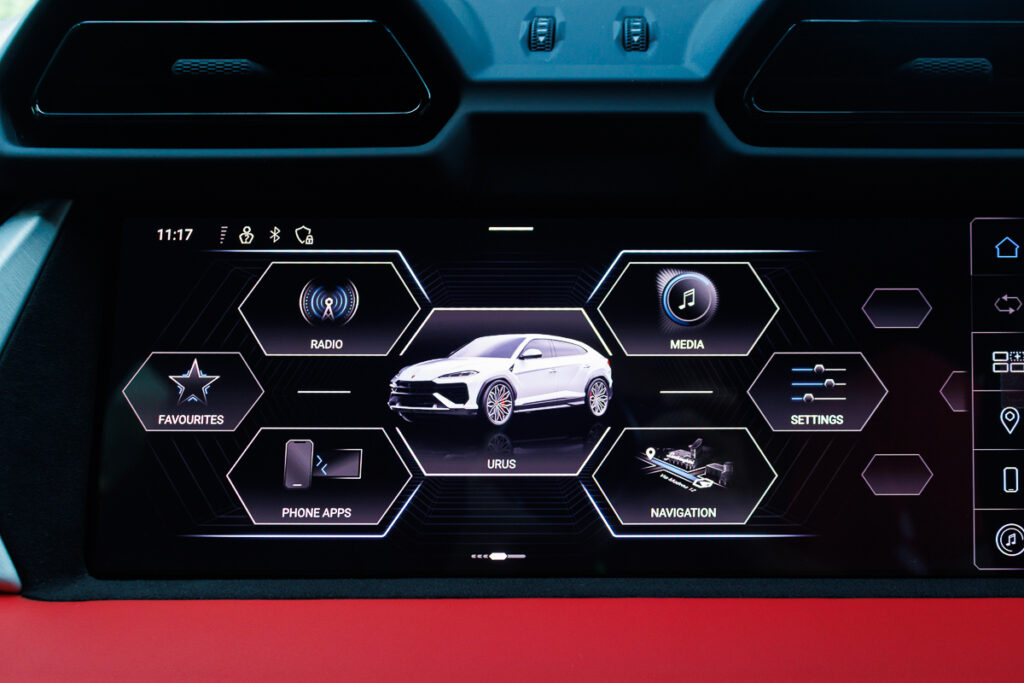
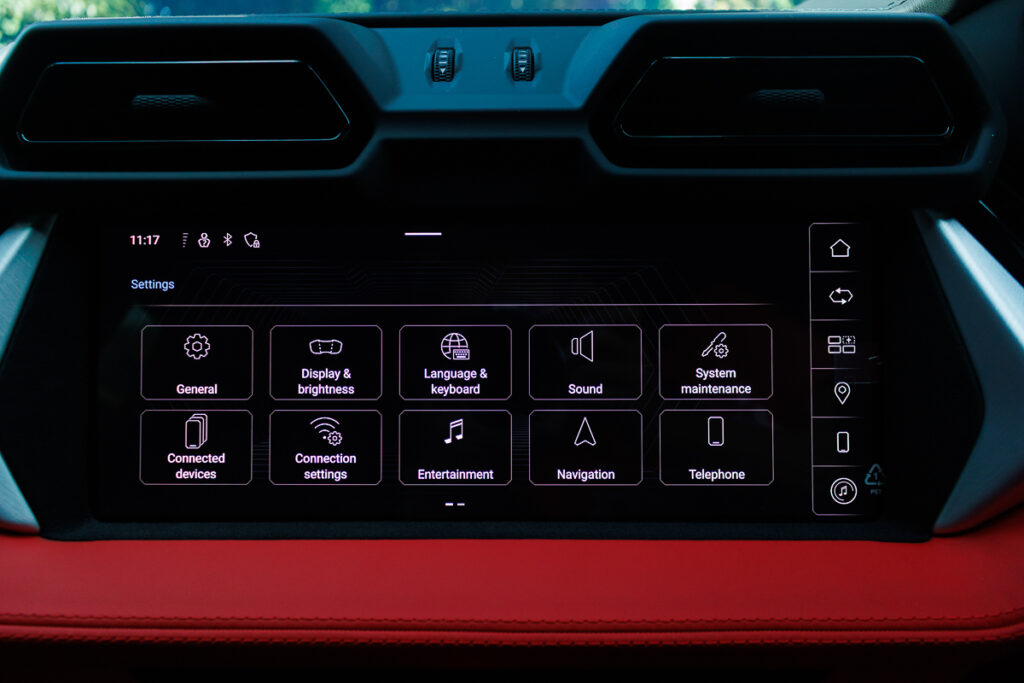
But while its Audi roots are not at all heavily disguised with the cockpit, it is not a bad thing. The logic for dual stacked infotainment screen setup makes navigation easy, while the system is pleasingly quick. There is also that signature “Audi-ness” to many of the Urus’ buttons, which in-turn translates to a very high quality cabin feel.
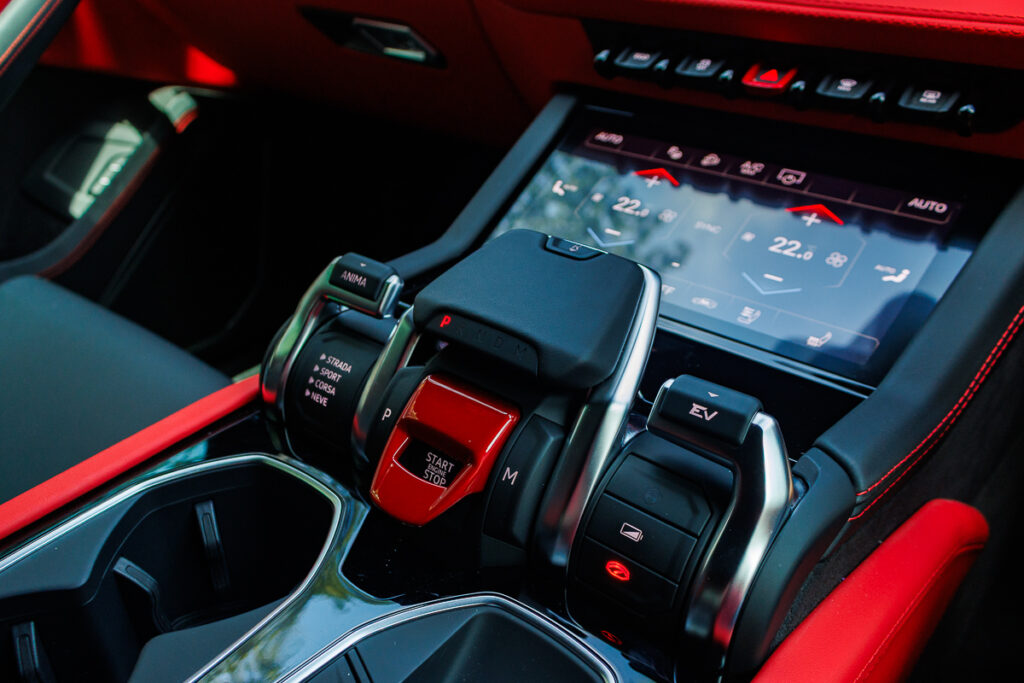
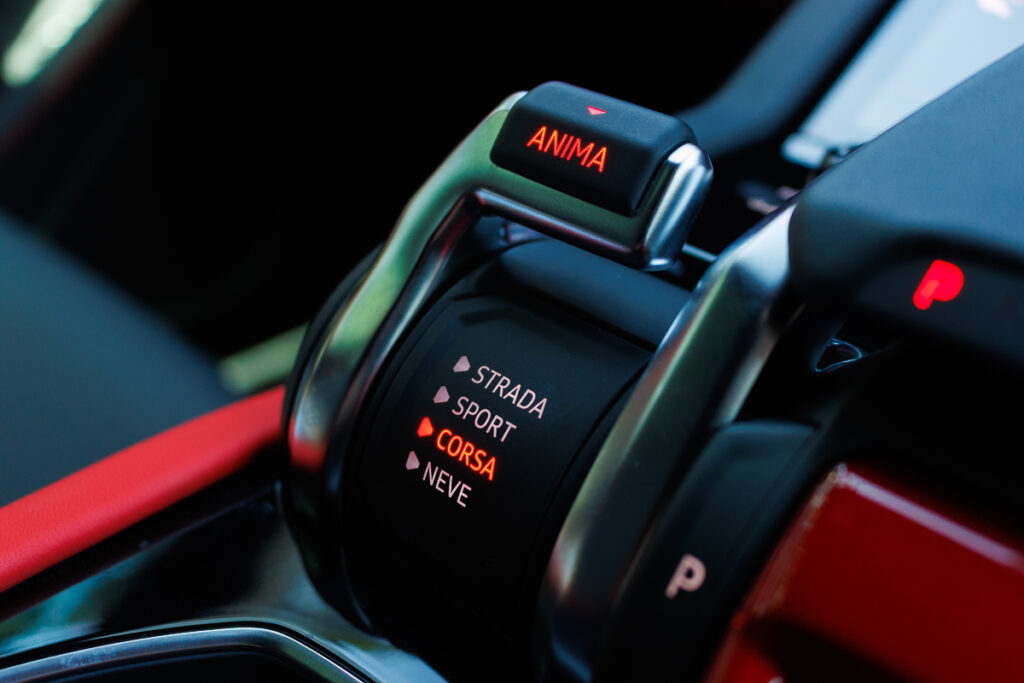
One of the key places that Lamborghini worked their magic would be the fighter jet thrust lever-inspired centre console, which they dubbed the “Tamburo”. Over here, you have access to various drive modes on the left, and on the right, for the SE, toggles for how the electric drive behaves.
An absolute riot!
The Urus SE uses the very same 4.0 litre twin-turbocharged V8 (not the one found in the Temerario) as the Urus S, and is paired with an electric motor. In all, it delivers a system output of a whopping 778hp and 950Nm.
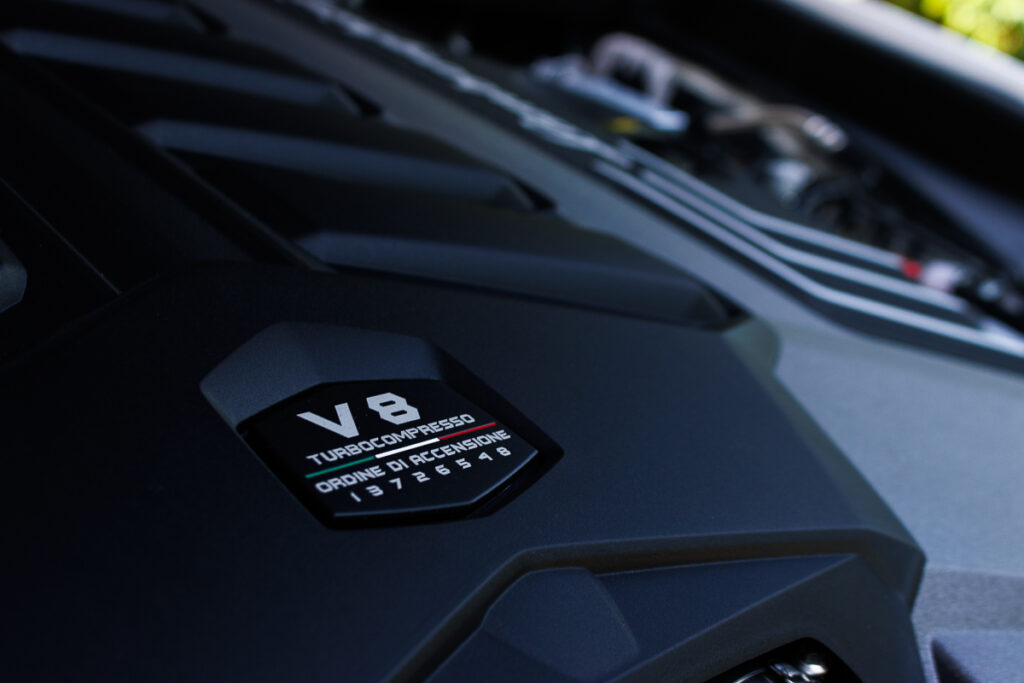
While the 25.9 kWh battery and the electric motor in the Urus SE adds approximately 300kg to the car, but even so, acceleration off-the-line is still best described as explosive. You rocket to 100km/h in 3.4 seconds, which is only 0.1 seconds quicker than the Urus S, but behind the wheel, the PHEV feels significantly more rapid. Much of this initial “wheel churn” is via the electric motor, making all of its 483Nm available, the moment you punch the throttle.
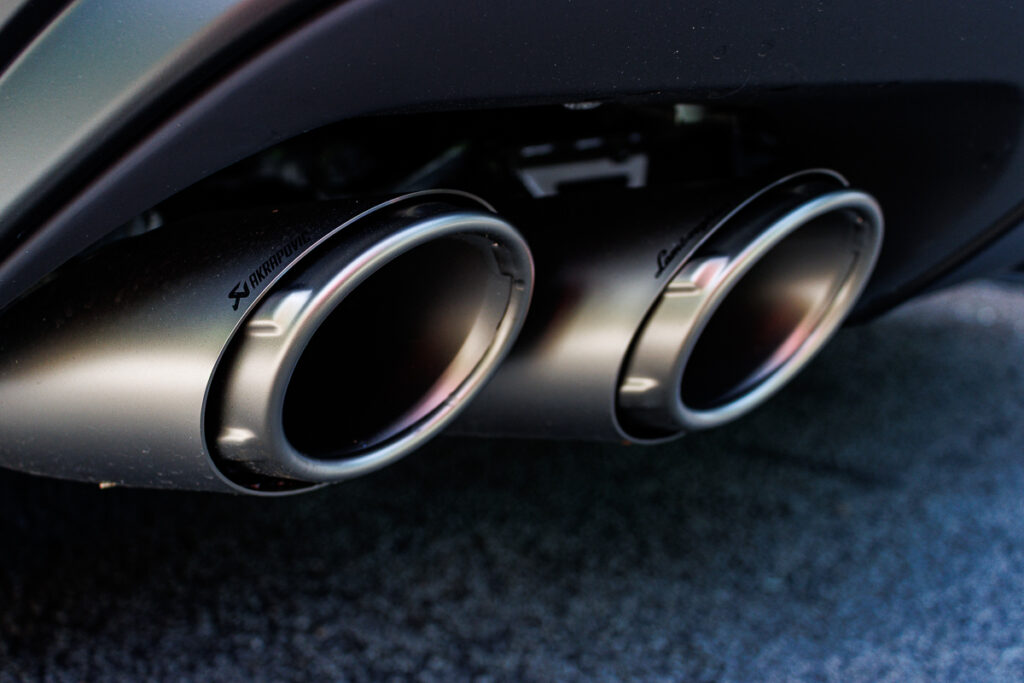
My mind does race though. On one end, there is that inevitable conflict, where the electric drive does feel somewhat clinical, but that silence is quickly followed through with the throaty roar of that glorious crossplane V8. I am conflicted because you lose that visceral bit when taking off. But at the same time, you gain more initial punch. And also, you know that you know that your fuel bill will be somewhat smaller.
Despite the added weight taking the Lamborghini SUV past 2.5 tonnes, it inspires confidence, with the willingness to lap up weight transferring directional changes with ease. The adaptive air suspension does a fine job in mitigating lean, while the electronic LSD splits torque to where it is needed most. Power it out of turns, and Urus SE exhibits a rear bias, which feels for a lack of a better way to describe it, very sports car-like. Stopping ability is via a set of carbon-ceremic brakes, which bite.
Go full-electric for your grocery run?
If you are planning to pinch a few pennies, the Urus SE is able to get you around with approximately 60km of pure electric range – enough to get you to and from your grocery or even school run.
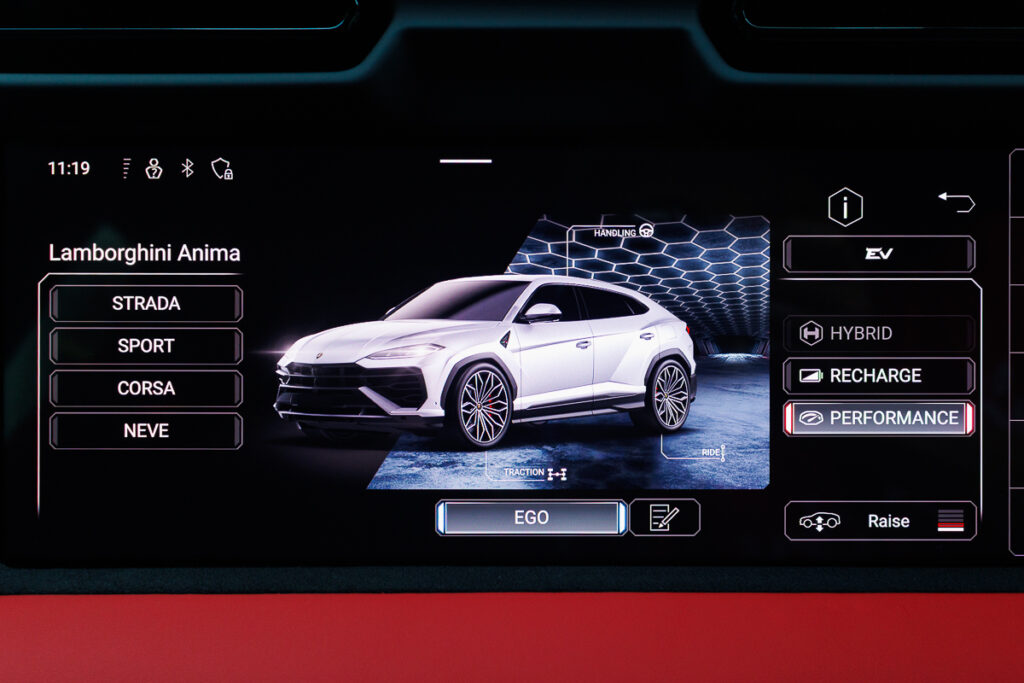
Charging the battery via a 7.2kW AC charger will take you approximately four hours, but while there is no DC charging available, I wouldn’t be complaining as an owner, as I’d probably have access to a personal wallbox.
The Urus. Not a necessary evil but a necessary evolution
Many supercar and sports car marques share parallels in producing an SUV to save the brand. As demand shifts, customers would want to have a car that does just about everything. Or at least vibe like it does. The Urus does that. An everyday car for the family, which you can even savour a track day with.
Photos & Text: Clifford Chow
| Pros | Cons |
|---|---|
| Fabulous V8 paired with EV drive | A little clinical off-the-line |
| Superb handling | |
| Practical like an SUV should |
Lamborghini Urus SE
| Drivetrain | Petrol-electric hybrid |
| Layout | 3,996cc, V8 |
| Motor power / torque | 778hp / 950Nm |
| Transmission | 8-Speed |
| Efficiency | 48.1km/l |
| Fuel Capacity | 75 Litres |
| 0-100km/h | 3.4 Seconds |
| Top Speed | 312km/h |
| VES Band | C2 |
| Dealer | EuroSports Auto |
| Price | S$1,150,000 without COE, with VES |
| Verdict | Fantastic drive, better fuel economy, more grunt. Same price. Nuff said. |
- Mercedes-AMG GLC 53 4MATIC+ Arrives in Singapore from S$475,888
- McLaren Golf Tees Off in Singapore with Leonian
- Rolls-Royce Project Nightingale Begins Global Road Testing. Includes 15,000 Cycles of Opening and Closing its Piano Boot
- Deepal S05 68.82kWh Review: Above Expectations

- Maserati Grecale Gets Colourful with Devil Orange and Verde Royale