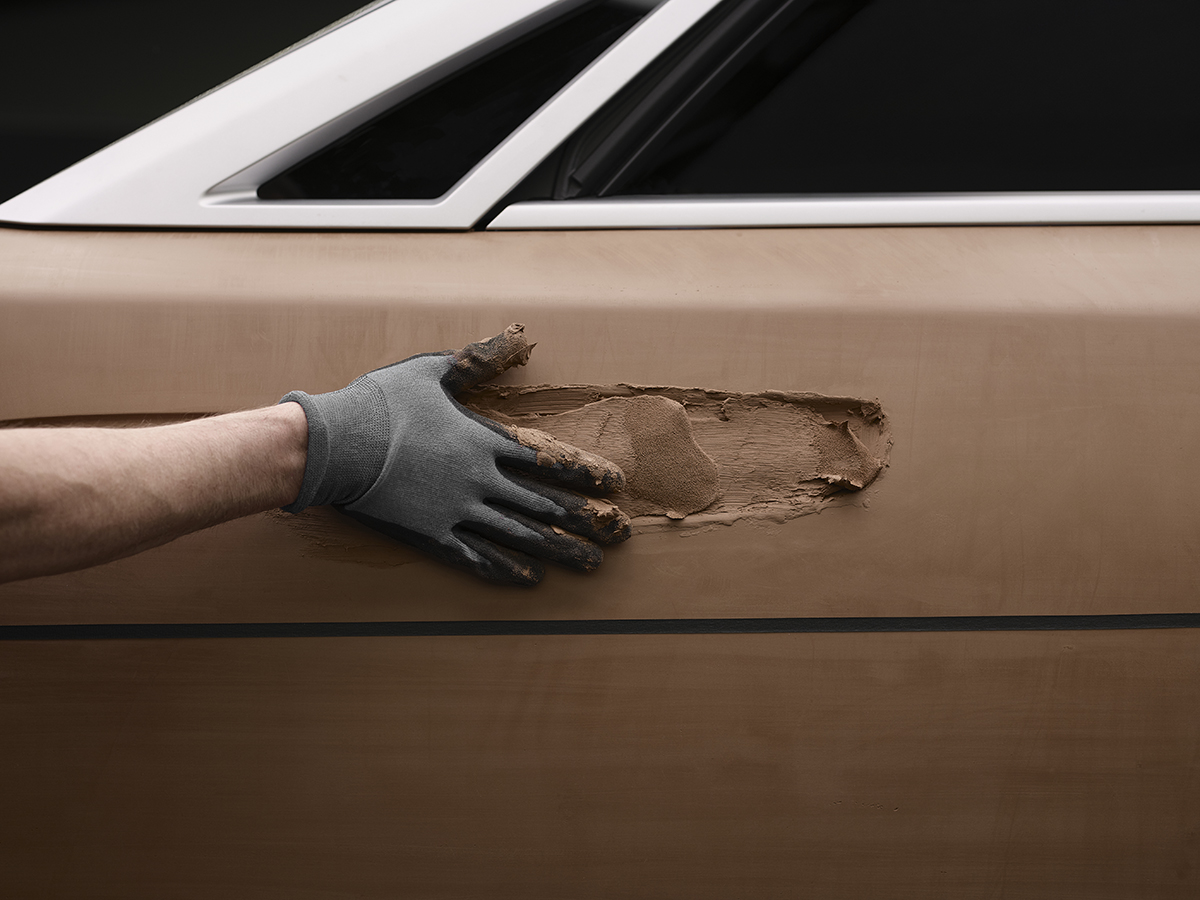


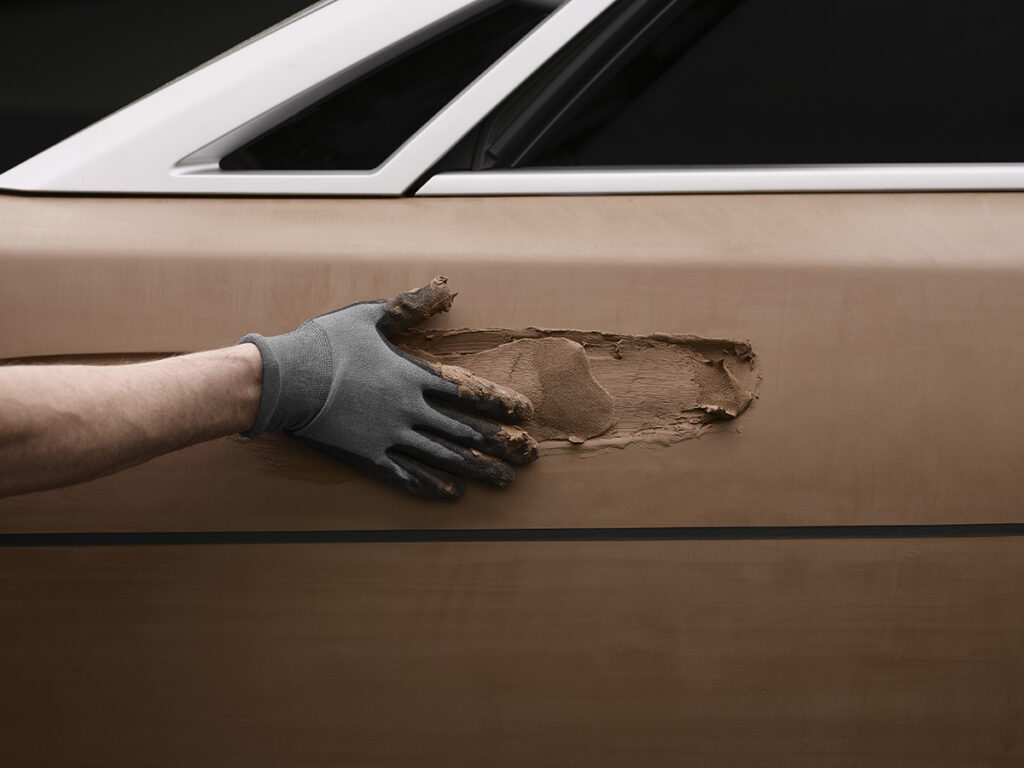
By invitation only. Buyers will embark on an extraordinary multi-year journey to create their own one of a kind coachbuilt Rolls-Royce
Singapore – The experience of leaving your mark on your very own coachbuilt Rolls-Royce is similar to commissioning a suit on Savile Row or a dress from a Paris couturier. Rolls-Royce announces an entirely new proposition in super-luxury. An initiative specially tailored for clients who have a special affinity for the Rolls-Royce brand, and only by invitation.
Editions during the Goodwood era, like the Sweptail in 2017, Boat Tail in 2021 and Droptail in 2023, deepened the affinity that the world’s most influential collectors had long held for Rolls-Royce design. These very commissions created in dialogue with the world’s most design-literate collectors, became the cornerstone of the Rolls-Royce Coachbuild Collection.
Coachbuilding has been central to the Rolls-Royce marque since its earliest years. Then, a rolling chassis would be delivered to specialist coachbuilders, who would design and craft a body to the client’s desired requirements. With the introduction of the Coachbuild Collection, it ensures that discipline endures today, enabling the joy of creative freedom, while preserving an identity more than 120 years in the making.
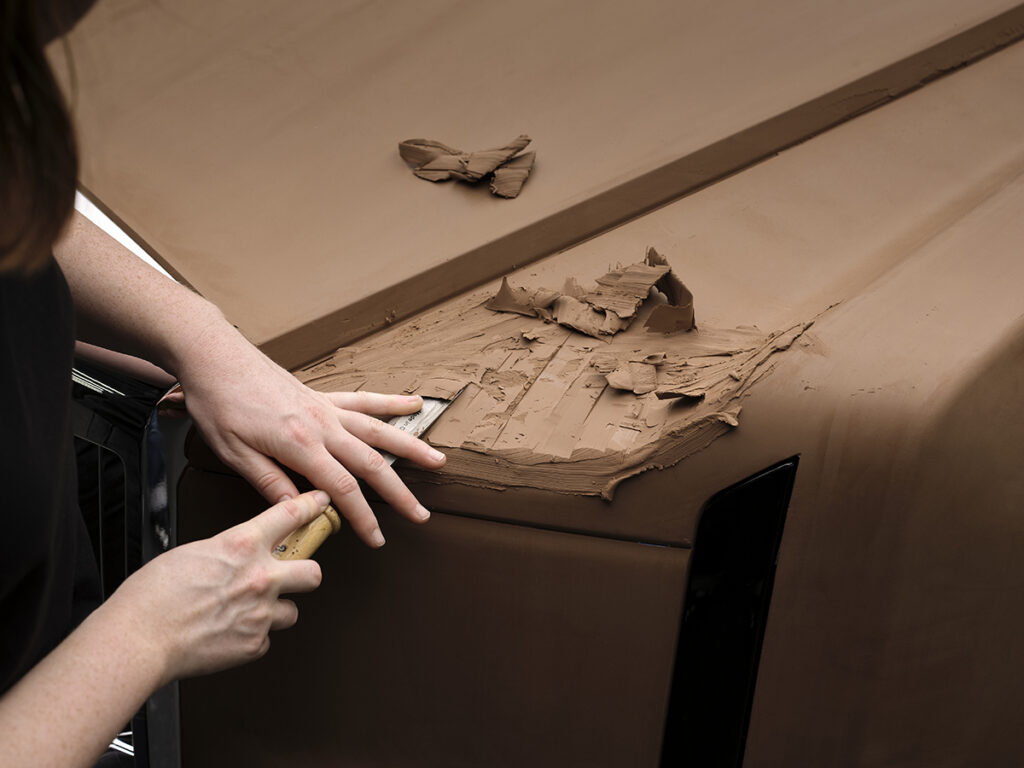
The Coachbuild Collection Programme
Each Coachbuild Collection will be strictly limited in number and will never be repeated. It begins with a true coachbuilt motor car. A unique road-legal bodystyle handcrafted by Rolls-Royce’s Coachbuild department.
Clients known to have a special affinity to the Rolls-Royce brand, and who the marque believes would be fascinated to be part of such a remarkable project, are invited through the marque’s global Private Office network; located in Dubai, Seoul, Shanghai, New York, and at the Home of Rolls-Royce in Goodwood.
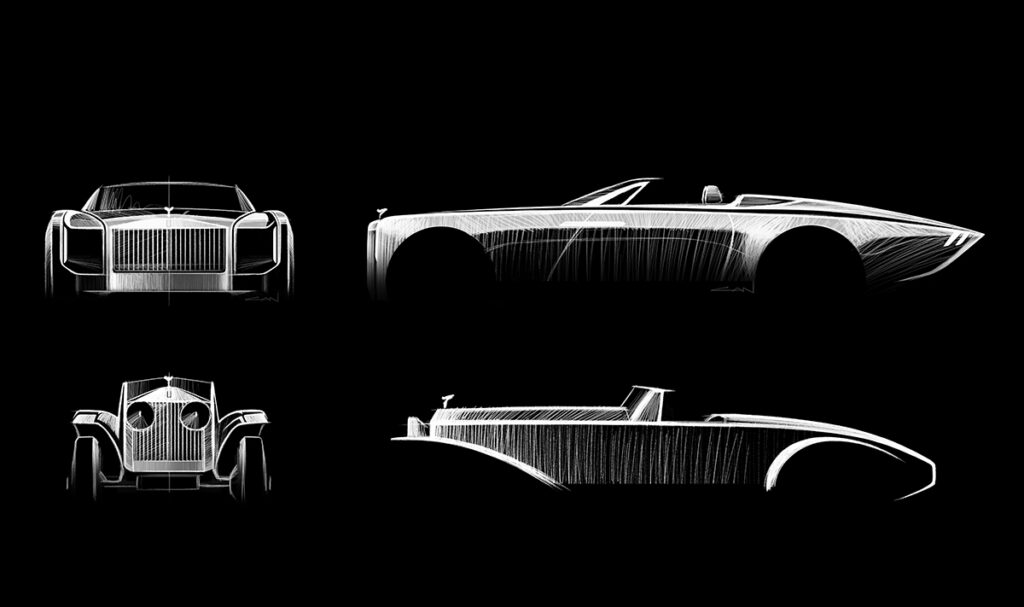
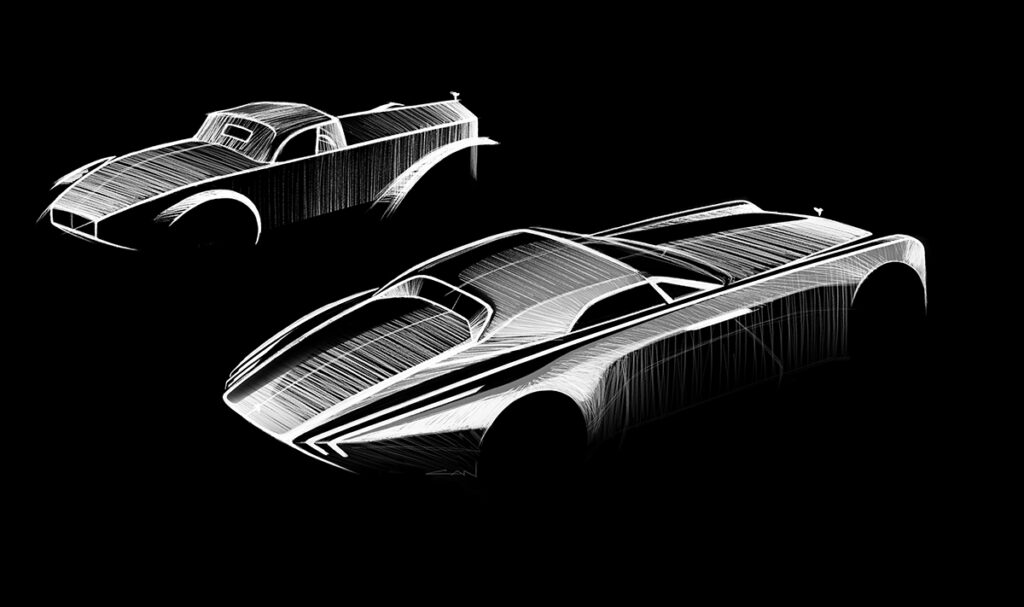
The first Rolls-Royce Coachbuild Collection – Project Nightingale will be a fully electric motor car. Electric was chosen as collectors who inspired the Coachbuild Collections programme are existing Spectre owners. Clients will be granted rare access to the innermost design studios within Rolls-Royce, and also to closed testing facilities and also witness the motor car’s development across performance and climate extremes.
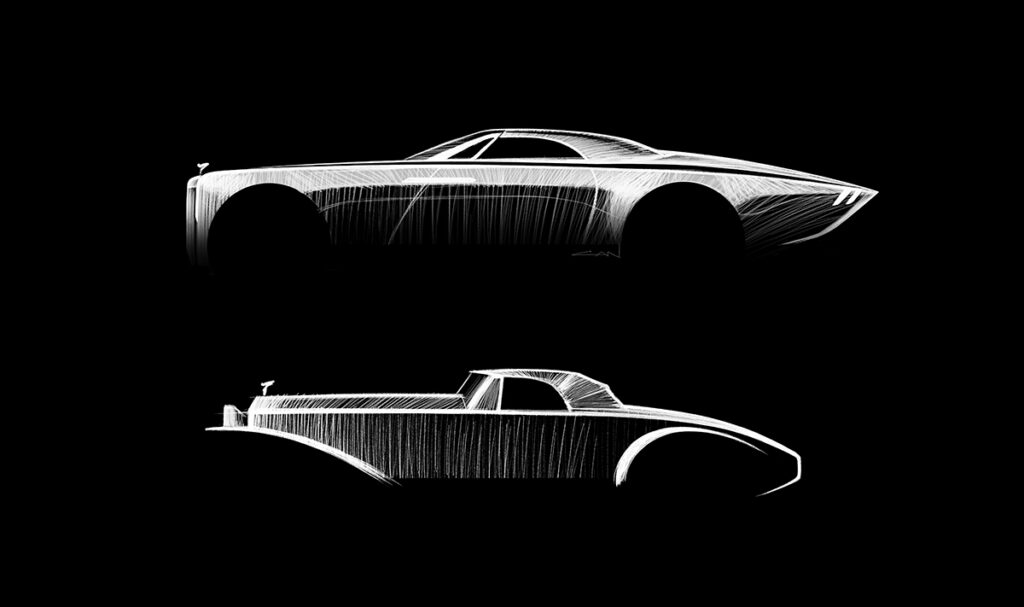
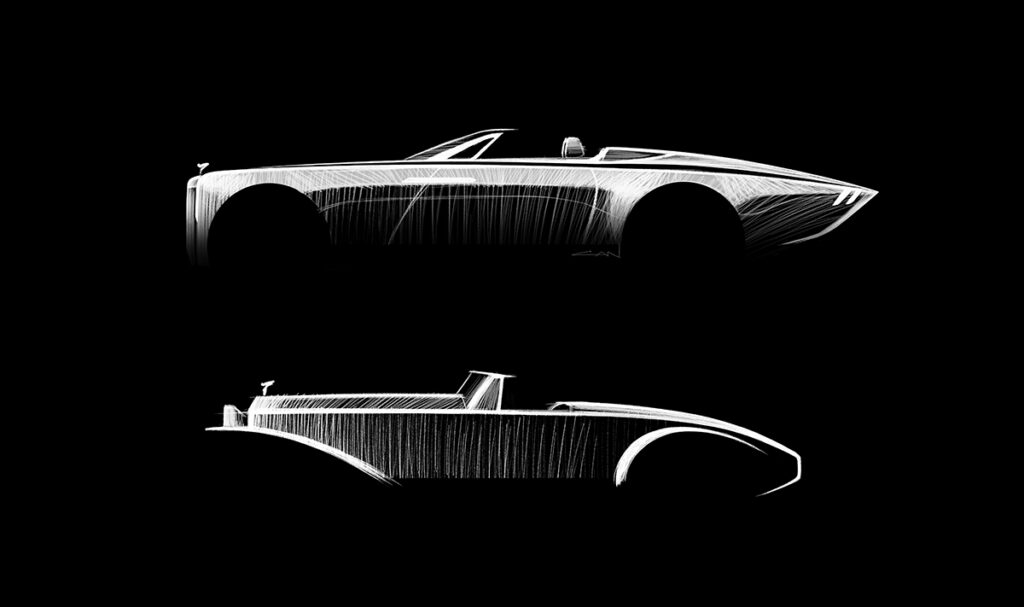
They will also travel to locations chosen for their deep connection to this motor car’s story, and will be welcomed into the ateliers of master craftspeople from adjacent worlds within super-luxury.
Clients will be invited to the world’s most desirable destinations for remarkable, curated private events at which the designers behind each Coachbuild Collection will share the inspirations and convictions that shaped it.
“Coachbuild Collection clients seek to experience at the absolute pinnacle of our craft. What we will reveal in April is an extraordinary expression of contemporary Rolls-Royce coachbuilding, extravagant and yet silent.” Chris Brownridge, Chief Executive, Rolls-Royce Motor Cars.
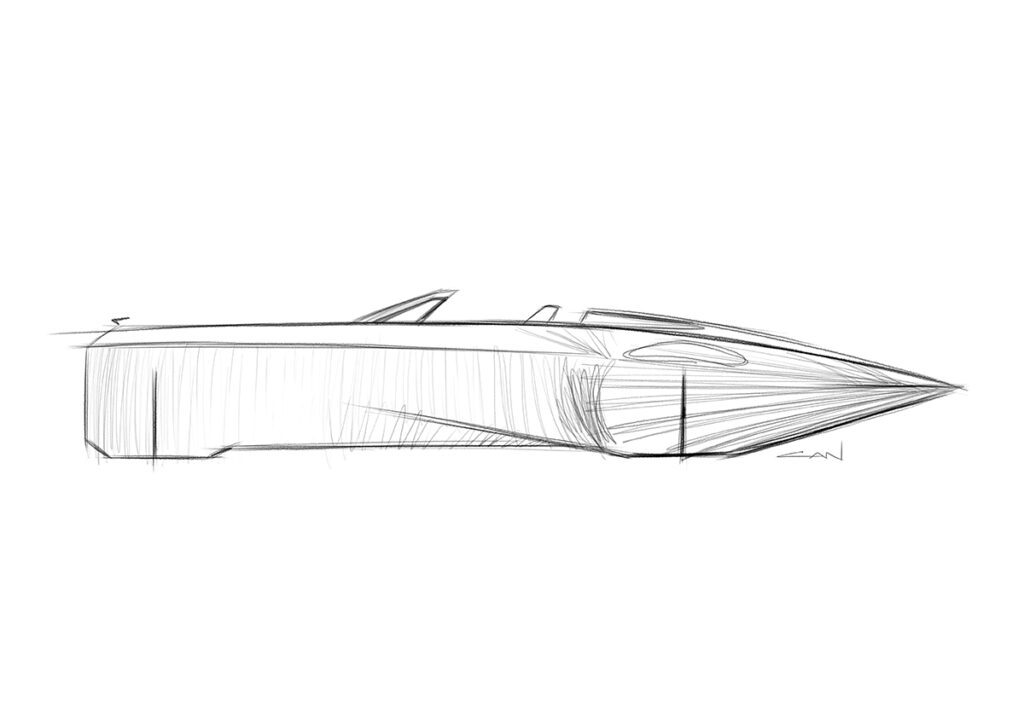
About The First Coachbuild Collection: Project Nightingale
Named after Le Rossignol, French for ‘the nightingale’, and also fittingly name of the designers’ and engineers’ house near Henry Royce’s winter home on the Côte d’Azur, Project Nightingale is limited to just one-hundred built by hand client motor cars worldwide.
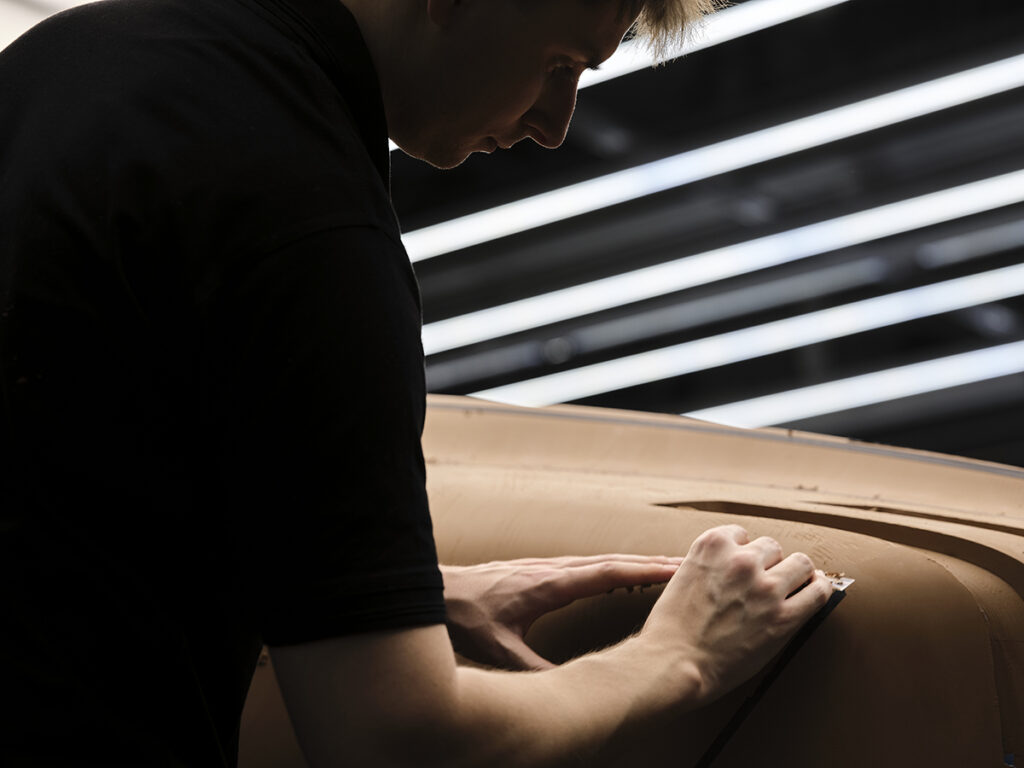
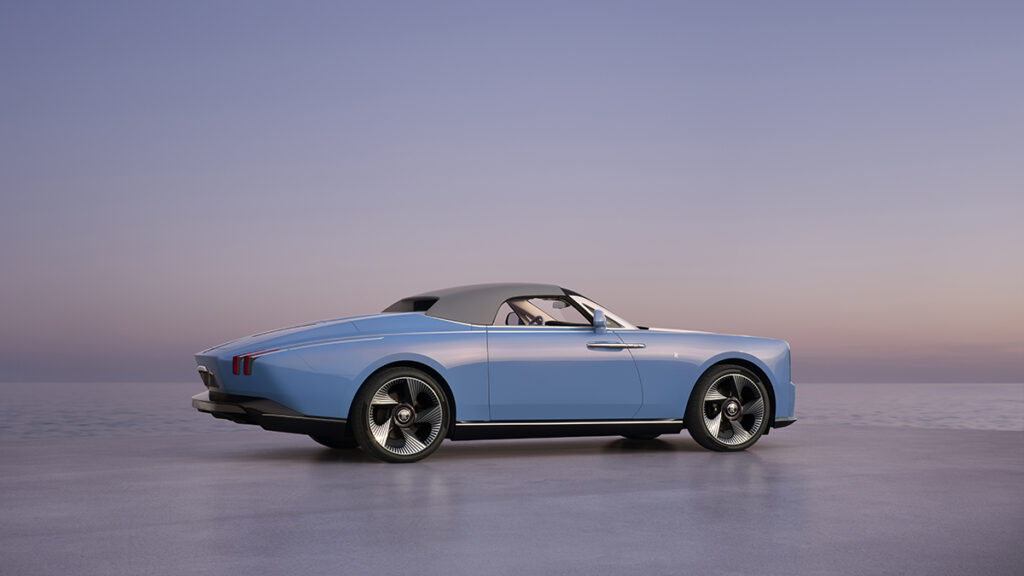
Project Nightingale takes inspiration from Streamline Moderne design from the late Art Deco era, where bold uninterrupted lines formed the core visuals of that period. Another point of inspiration is Rolls-Royce’s experimental motor cars of the 1920s. Known as the ‘EX’ models, and fitted with distinctive red badges, these are among the rarest and most desired in the history of the brand. Project Nightingale focuses on the high speed 16EX and 17EX prototypes in particular.
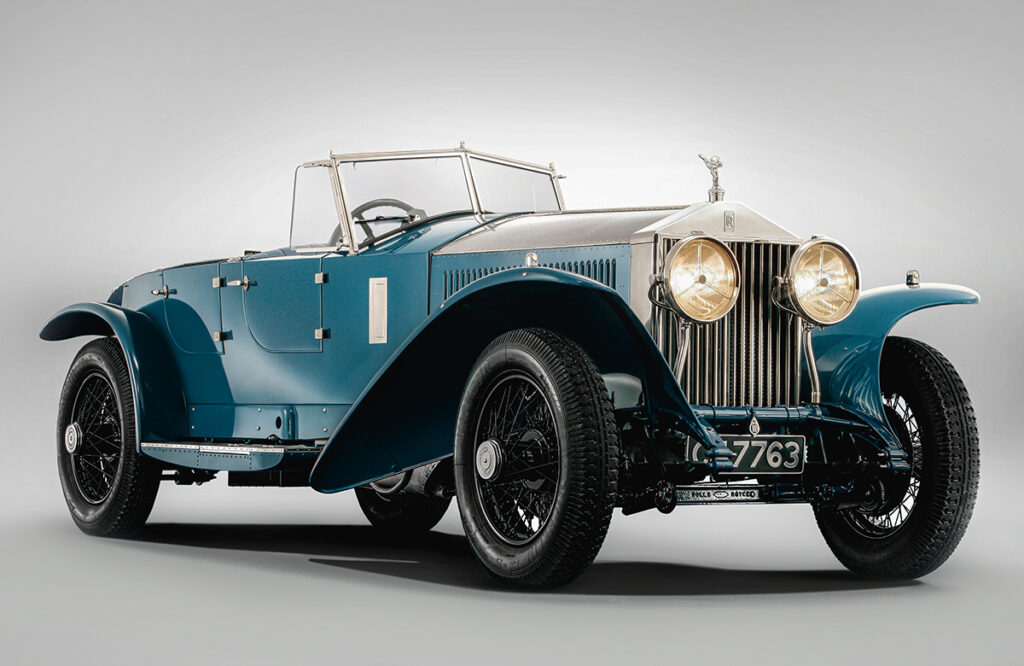
With the two key design foundations, Coachbuild designers distilled three principles that would be at the heart of Project Nightingale. Upright to flowing’: the Pantheon Grille’s commanding vertical gesture transitioning into a long, graceful rear; ‘Central fuselage’, defined by a single unbroken hull line running from front to rear; and ‘Flying wings’: sculptural volumes that create tension across the overall form and pull the eye towards the rear.
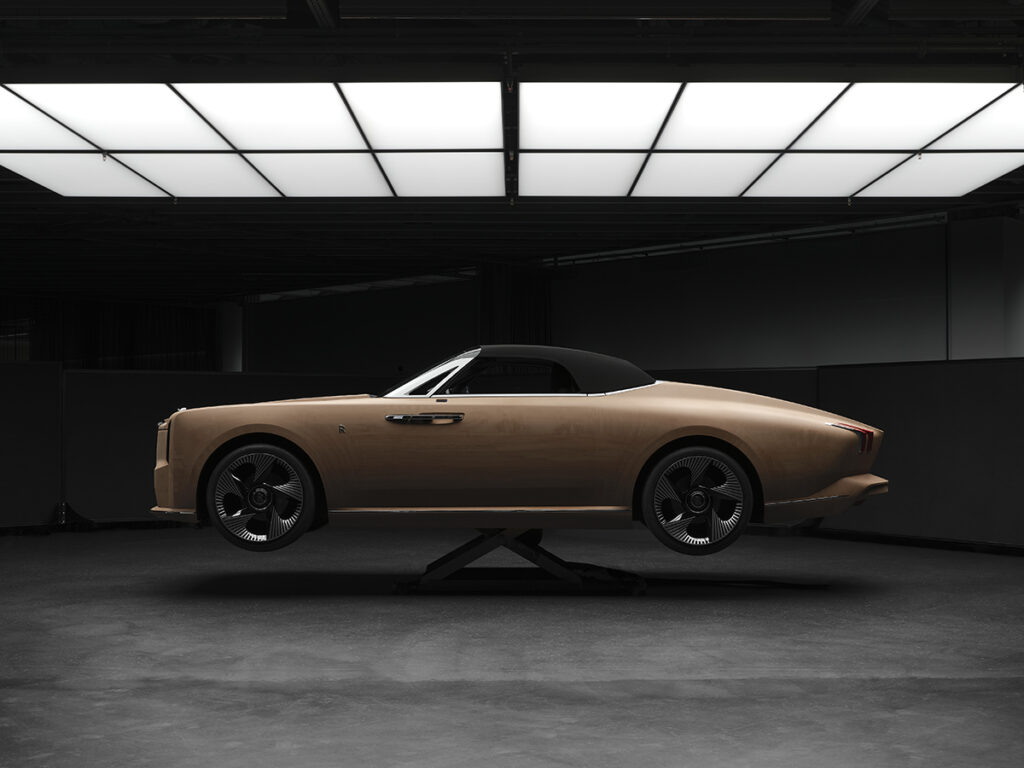
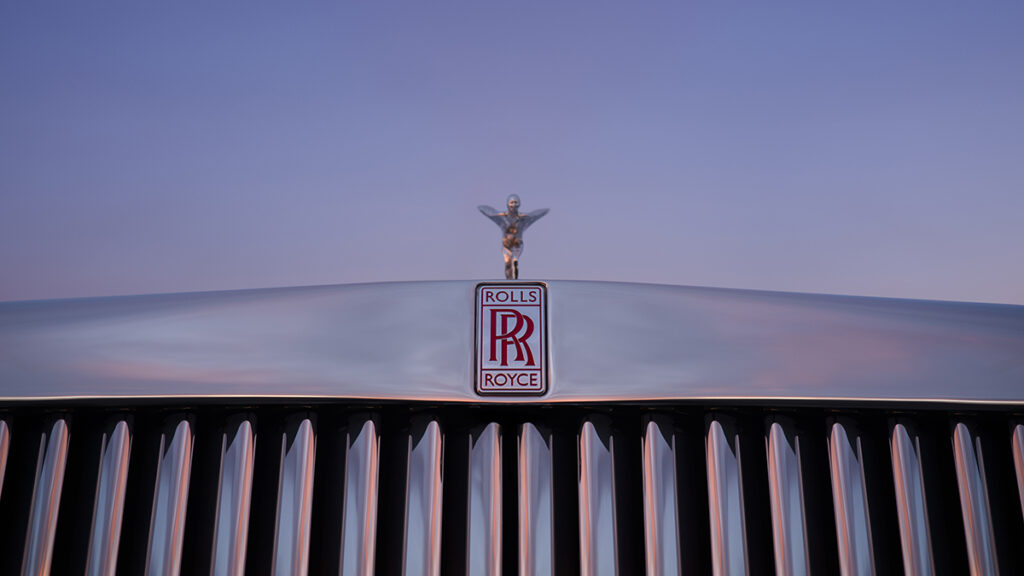
Penned as a two-seat convertible with a 5.76 metre length, Project Nightingale is almost the same length as the marque’s flagship Phantom saloon. The signature Pantheon Grille which is almost a metre in width appears carved from a solid block of stainless steel, with 24 vanes set deeply within it. To top this off, the Spirit of Ecstasy figurine sits in a subtly recessed section, with its lines flowing backwards and dissolving into the bonnet, the metal work gently parting around her. As a nod to Art Deco skyscrapers, whose uppermost decorative floors are supported by solid geometric forms beneath them, the grille is presented on a plinth created by a structured section below.
The most progressive statement of the Project Nightingale would be the vertically orientated slender headlamp assemblies. These are further highlighted with polished stainless-steel bands running the full length of the car, from the bottom of the headlamps, tying in with the tail lamps.
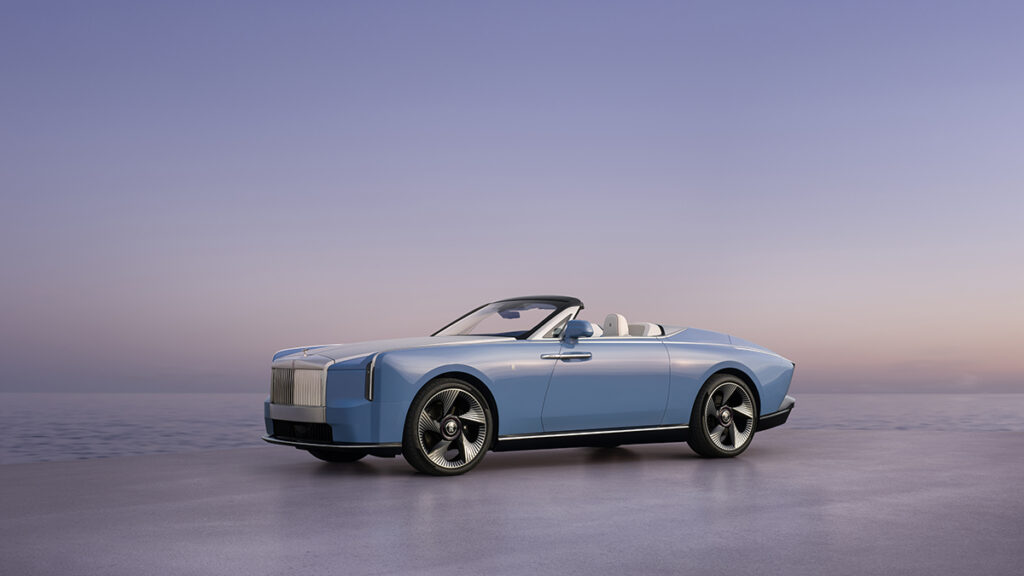
Project Nightingale’s torpedo-shaped profile is further enhanced by a dramatically raked windscreen, framed on each side by a stainless-steel form housing a delicate quarterlight window. The design takes inspiration by another Rolls-Royce icon – the Phantom Drophead Coupé. Behind the windshield is a driver-oriented compact cabin made for two, set deep within the body. Behind this, the rear deck falls away, and tapers toward a dramatically low trailing edge.
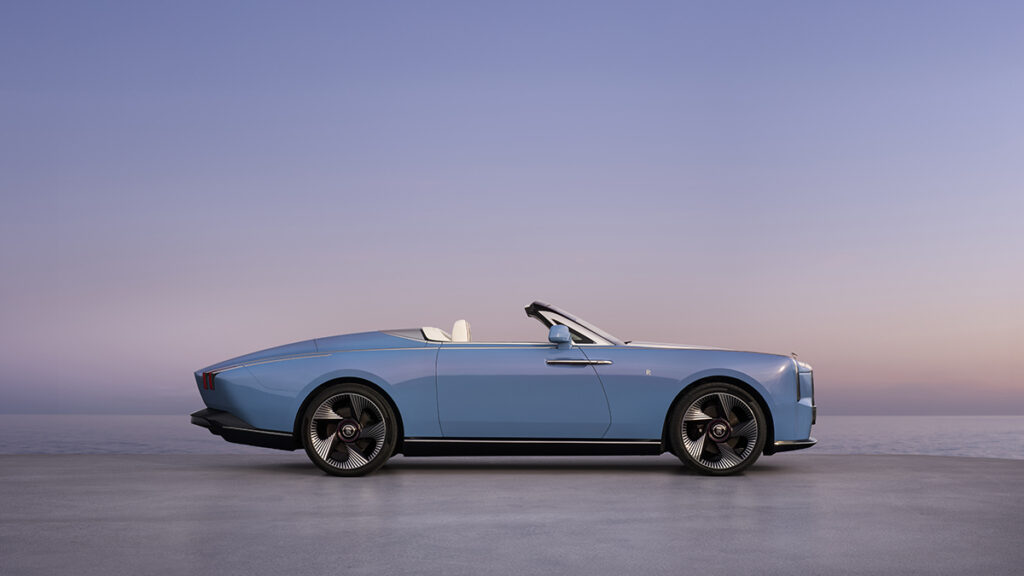
Taking inspiration from propellers of a yacht viewed from beneath the waterline, Project Nightingale’s 24-inch wheels – the largest fitted to a Rolls-Royce yet, appear to be in continuous motion even when the motor car is stationary. Fine details to the wheel surface include subtle, machined stripes, creating the impression of wire wheel spokes moving at speed. To create a delicate sparke when each wheel turns, Rolls-Royce has also introduced aluminium flakes within the black finish.
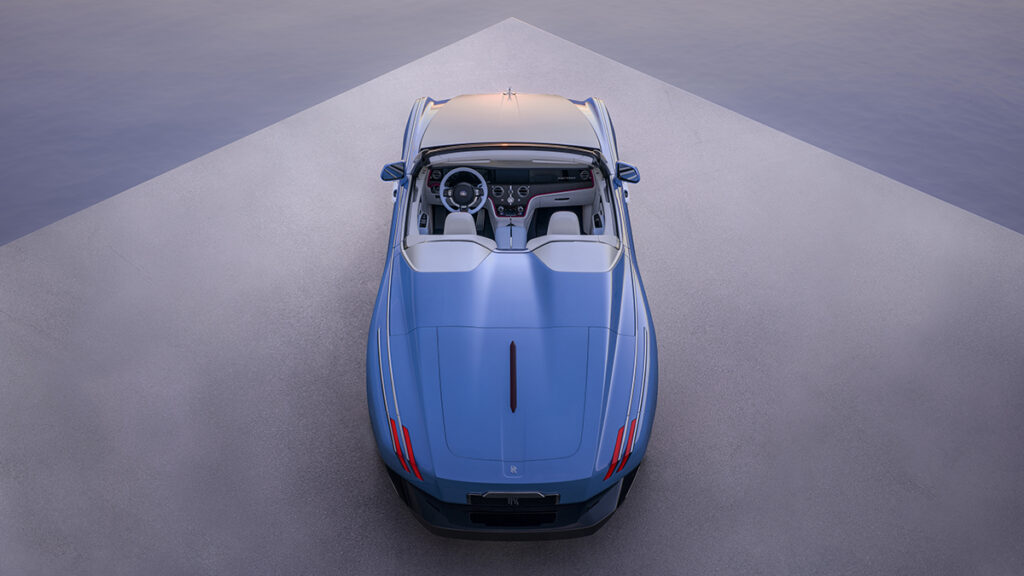
At the rear, a second lower polished stainless-steel band positioned behind the centre of the rear wheels subtly recalls the gentle white water of a sailing yacht’s wake. The surfacing swells around the rear wheel arches, creating an impression of planted, muscular strength that balances the overall design’s grace, while they subtly contrast with the deck above – purposefully horizontal, with its form broken by two rear lamps. The striking design of the rear is further dramatised by the Piano Boot, which opens sideways on a cantilever, recalling the ceremony of a grand piano.
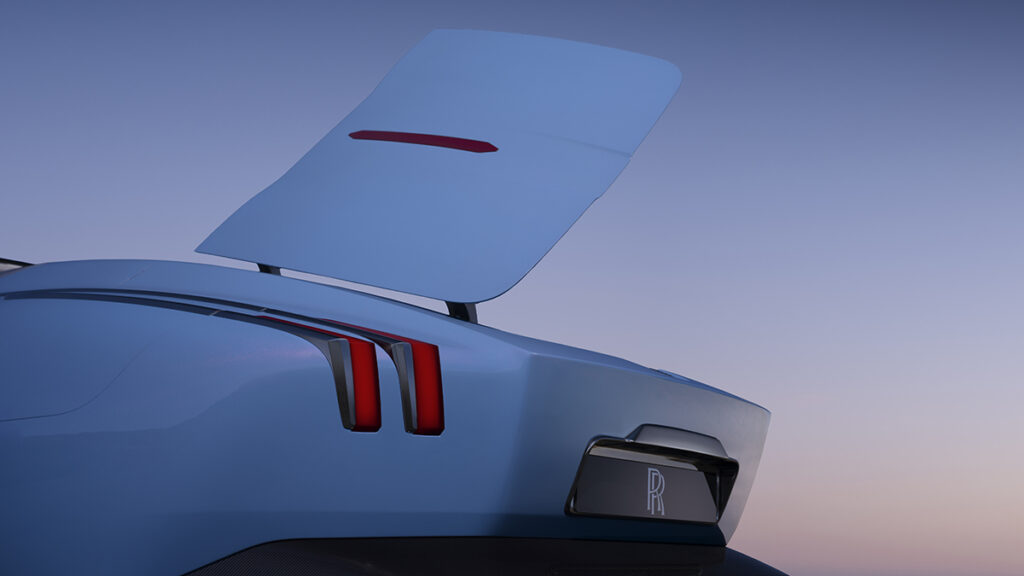
The fully electric drivetrain permits the enabling of the Aero Afterdeck – a bold lower transom diffuser, which ensures stability at high speed, and without the use of a spoiler, which allows Project Nightingale to retain its elegant form.

With the roof lowered, Rolls-Royce designers and engineers describe driving early Project Nightingale prototypes as a near-silent sensation. There is simply no wind or mechanical noise. The latter is thanks to the electric drivetrain. The roof itself combines unique sound-deadening material with fabric and exceptionally soft cashmere.
Upon opening the coach door, the armrest glides rearwards to reveal the Spirit of Ecstasy rotary controller. It operates with a tactile stainless-steel collar, formed with four grooves, which are a nod to contemporary haute joaillerie. Each groove is faceted and then glass-blasted, delicately subduing the controller’s high polish. The jewelled treatment extends throughout the interior, to the gear selector and remaining rotary controls.
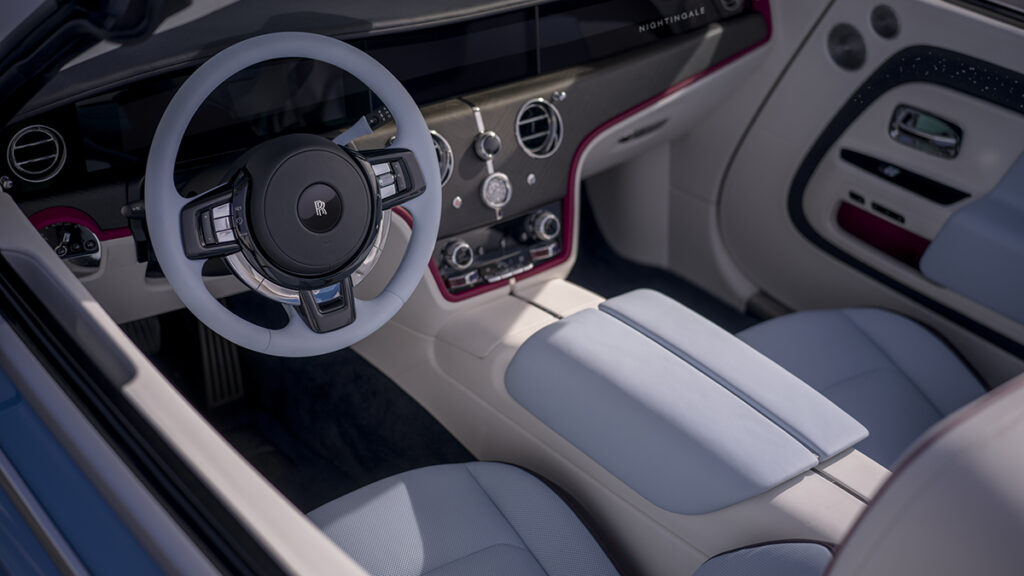
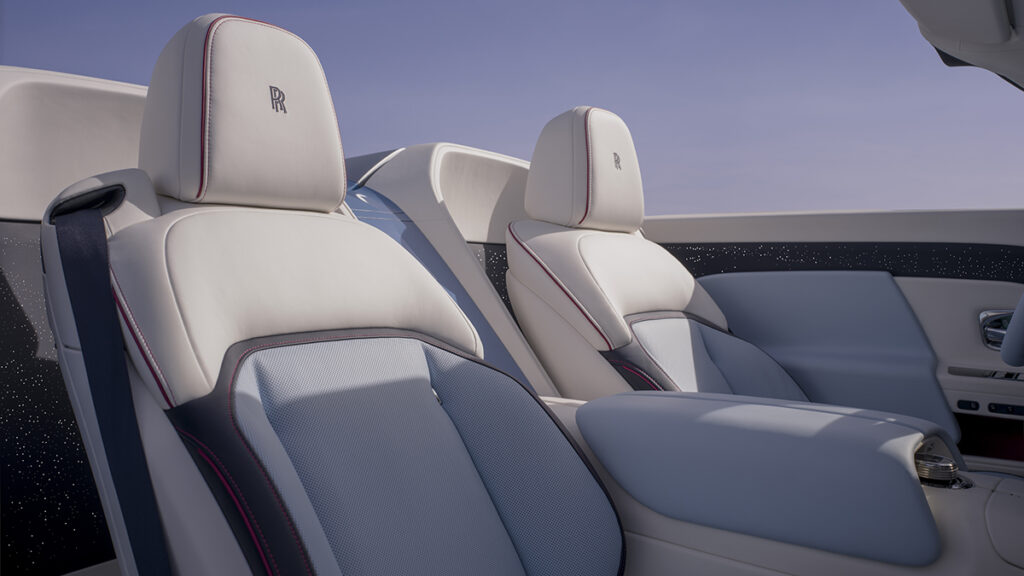
With a touch of a button, the armrest slides further to reveal a concealed compartment for personal items. Adding further to the jewel-like accent, the Project Nightingale includes individual aluminium cupholders, which are machined from billet. Behind the seats, a hidden shelf incorporates space for hand luggage – fitting for a motorcar created for long, unhurried journeys.
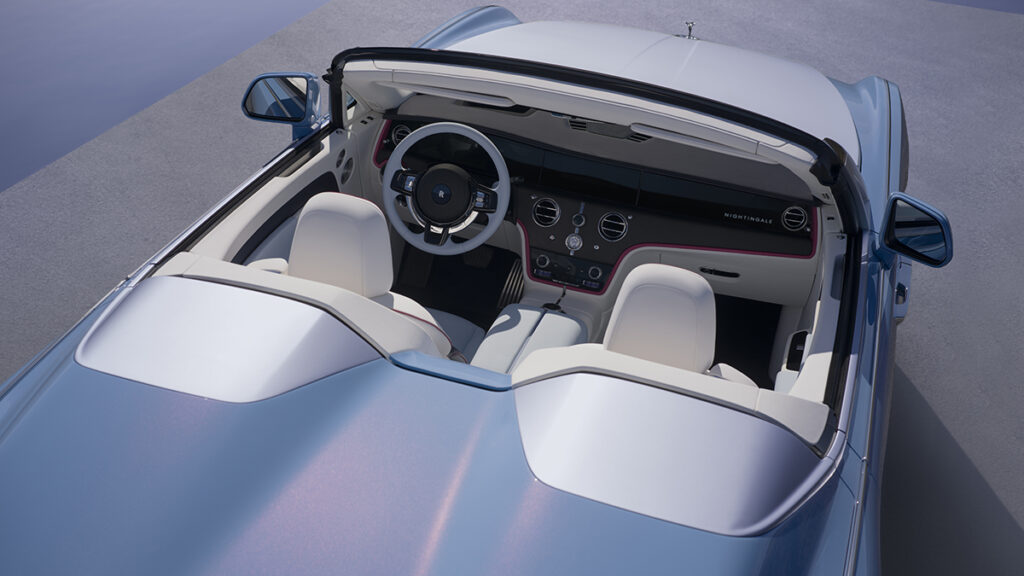
The centrepiece of Project Nightingale’s interior is the Starlight Breeze suite – a flowing constellation of ambient illumination comprising 10,500 individual ‘stars’ in three subtly varied sizes. Inspiration comes from the birdsong Rolls-Royce designers were able to hear with unusual clarity while driving an early prototype. They began to study recordings of nightingales and analysed the distinctive sound-wave patterns created by their song. The distinctive pattern translated into visual form, to envelope the car’s occupants.
Domagoj Dukec, Director of Design, Rolls-Royce Motor Cars remarked: “Project Nightingale is built on the design principles that define this marque at its most compelling – grand proportions, absolute surface discipline, and a clarity of line that rewards the closest attention. And yet, it takes them somewhere entirely new. For me, this landmark motor car feels both inevitable and completely unexpected, and it will shape everything that follows.”
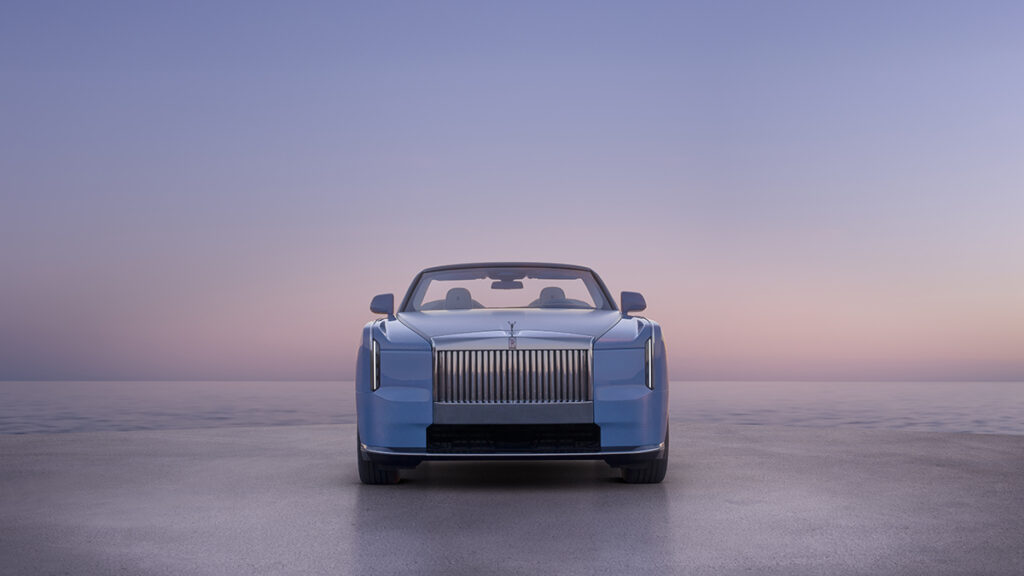
The Project Nightingale will be limited to 100 client motor cars worldwide, with expected deliveries beginning from 2028.
Photos: Rolls Royce
- 2026 BMW iX3 xDrive50 M Sport 108.7kWh Review: The Electric Essence of Joy

- Audi RS 5 arrives in Singapore — a 630hp beast, now with a plug-in hybrid boost

- Nissan refreshes Ubi flagship showroom, launches new Serena e-POWER and previews three new models

- Defender OCTA Black Makes Singapore Debut at Defender @ 67 on Scotts

- Hyundai ELEXIO Electric SUV Unveiled in Singapore: Big Screen, Big Cabin, Nine Airbags