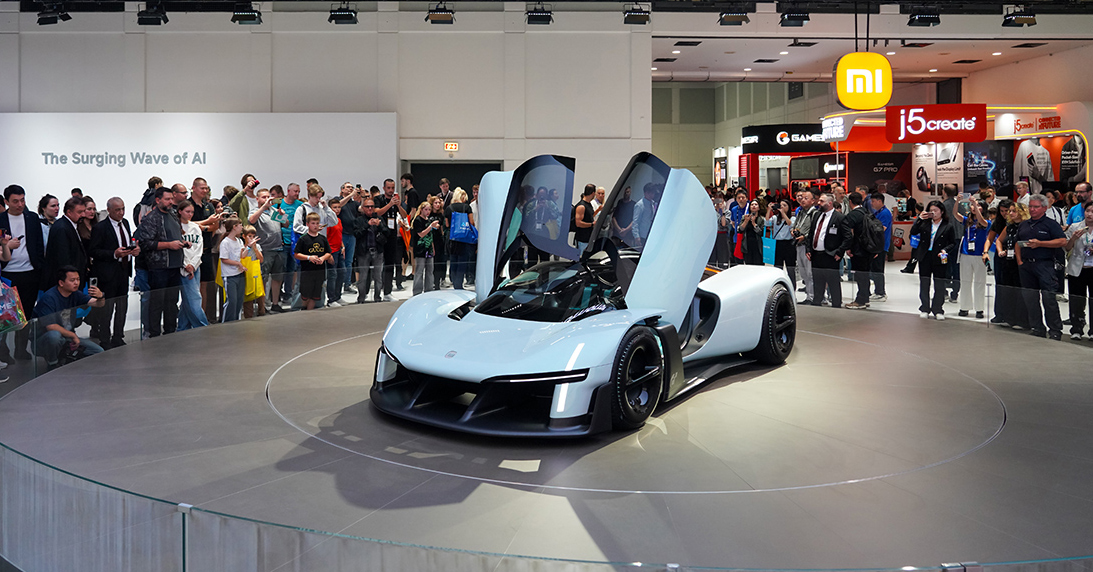


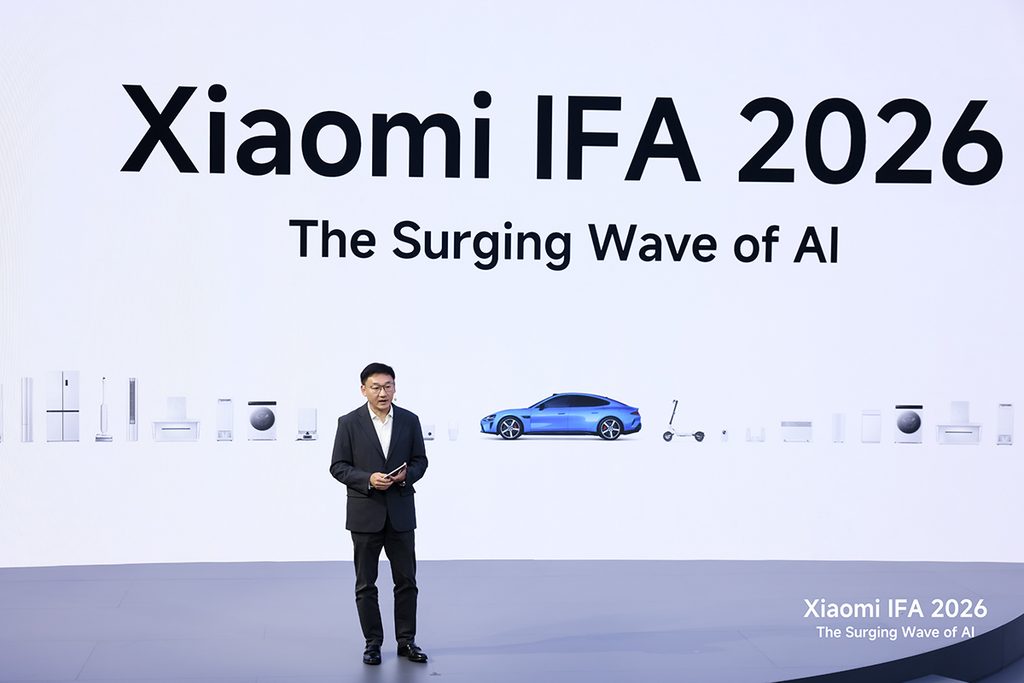
Xiaomi has brought its phones, smart home gadgets and increasingly serious car ambitions together under one massive roof at IFA 2026 in Berlin
Berlin, Germany – Xiaomi has made its debut at IFA 2026 with more than 3,300 square metres of exhibition space — the company’s largest standalone overseas showcase to date.
With more than 380 products on display, the exhibition is centred around Xiaomi’s “Human × Car × Home” ecosystem, bringing together personal devices, smart home technology and vehicles under a single connected platform.
From smartphones to smart cars
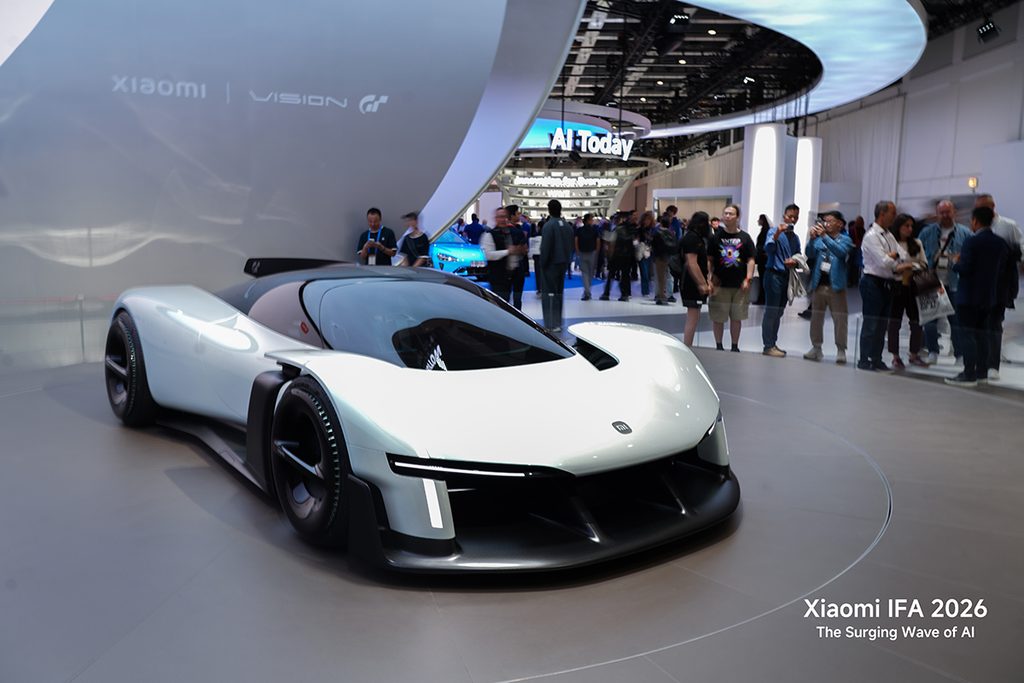
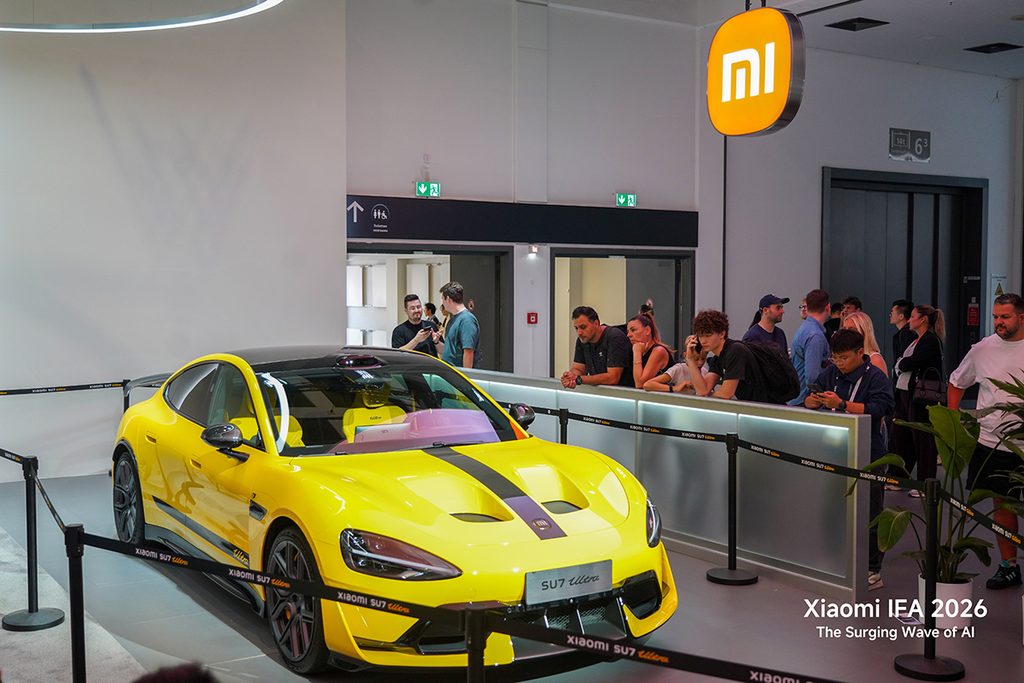
Xiaomi’s automotive ambitions take centre stage with the Xiaomi SU7, SU7 Ultra and the Xiaomi Vision Gran Turismo concept.
The Vision Gran Turismo is Xiaomi’s first entry into the Vision Gran Turismo programme, exploring what happens when automotive design is freed from the usual constraints of having to actually fit on a road. Its design incorporates active aerodynamics and what Xiaomi calls a “Racing on a Sofa” interior.
Meanwhile, the SU7 and high-performance SU7 Ultra represent the more tangible side of Xiaomi Auto’s ambitions.
Since delivering its first car in March 2024, Xiaomi says it has delivered more than 700,000 vehicles in its home country. The company is planning to bring Xiaomi Auto to Europe, including Germany, in 2027.
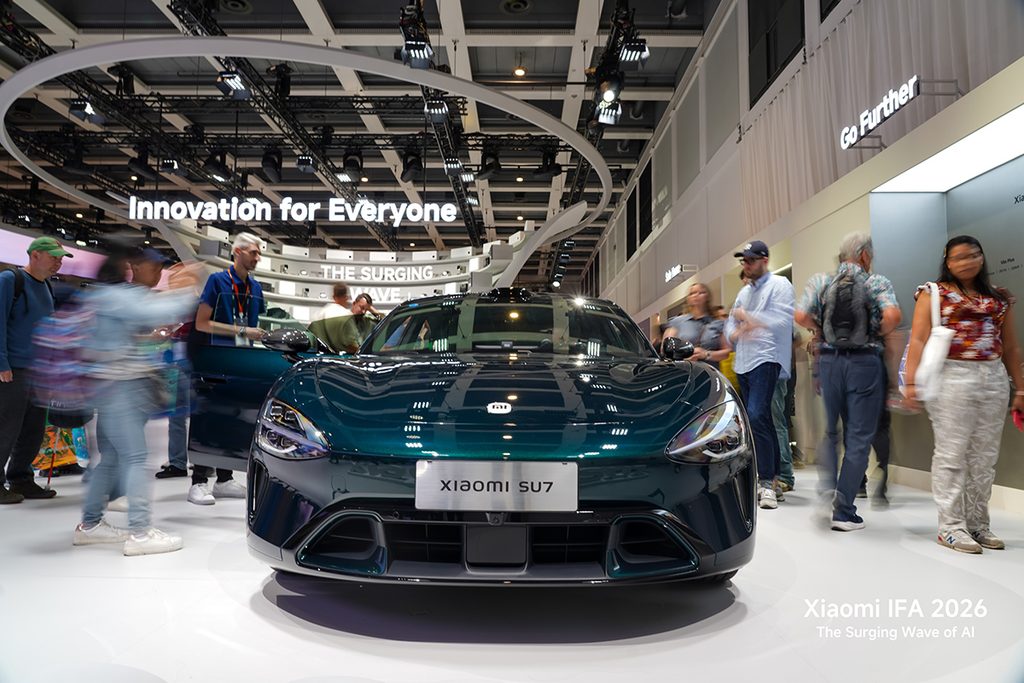
The SU7 Ultra is also no mere tech-company vanity project. Xiaomi points to its Nürburgring achievements, with the production model setting the official record in the Electric Executive Car category in April 2025.
AI that actually does something
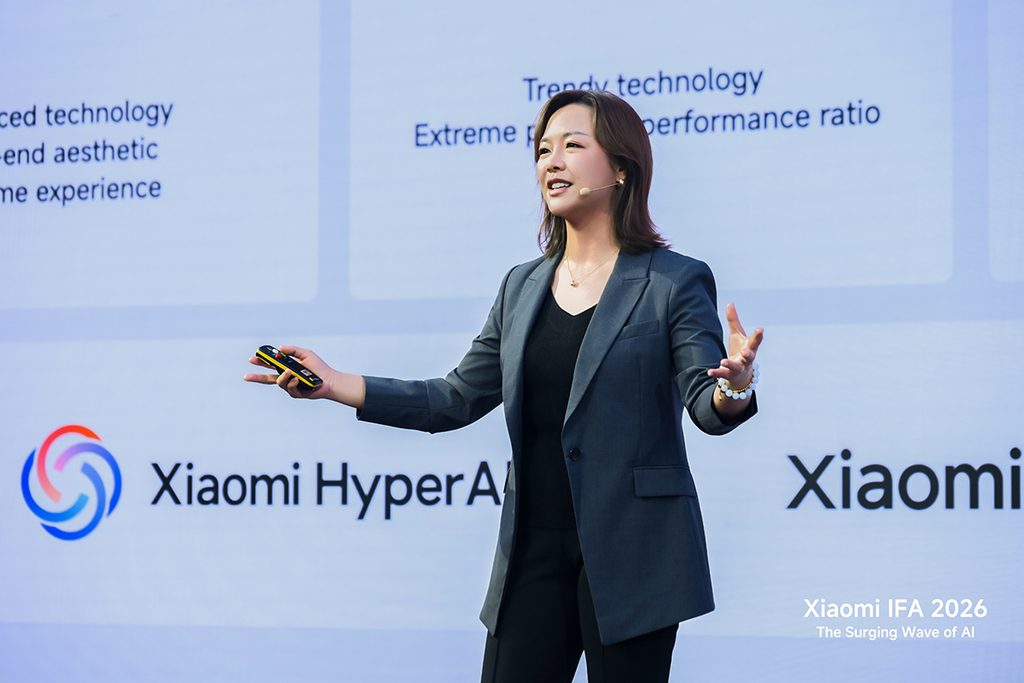
Xiaomi wants its AI and HyperOS operating system to allow its various devices to work together based on context.
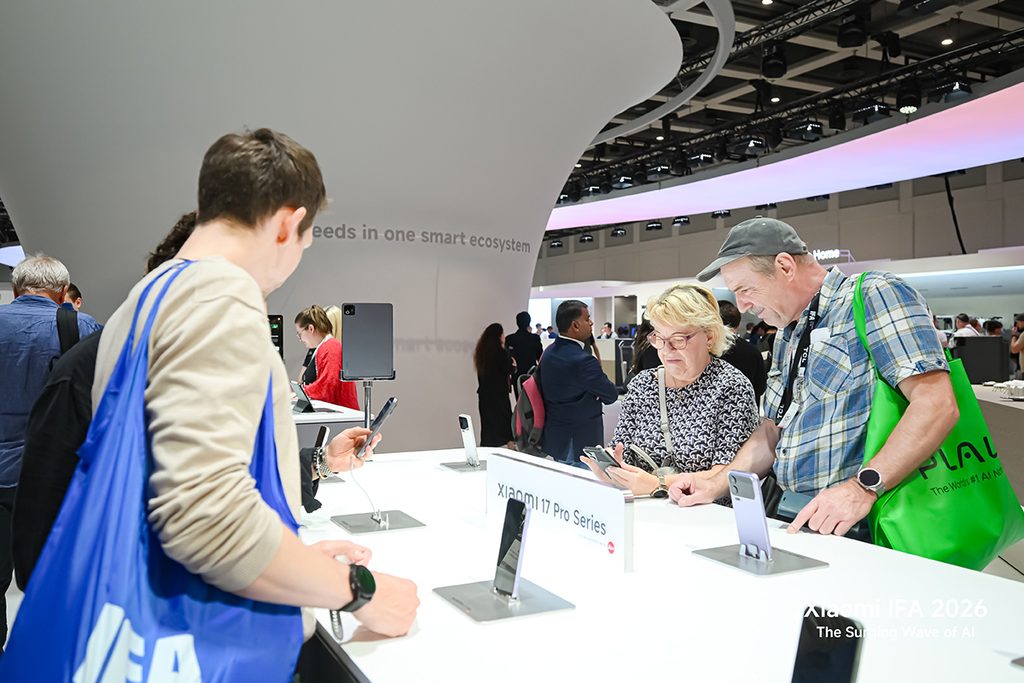
For example, Xiaomi demonstrates a scenario where the system uses information such as time, location and weather to adjust the home’s lighting and air-conditioning before the user arrives.
Other demonstrations show devices working together to carry out tasks, such as sending a photograph from a smartphone to a printer, or coordinating lighting, curtains and temperature for activities such as reading.
In short, Xiaomi wants its AI to move from answering questions to actually getting things done, but with the user still in control.
Tesla Model Y L Premium AWD 88kWh Review: A Model Y with extra Ribbit!
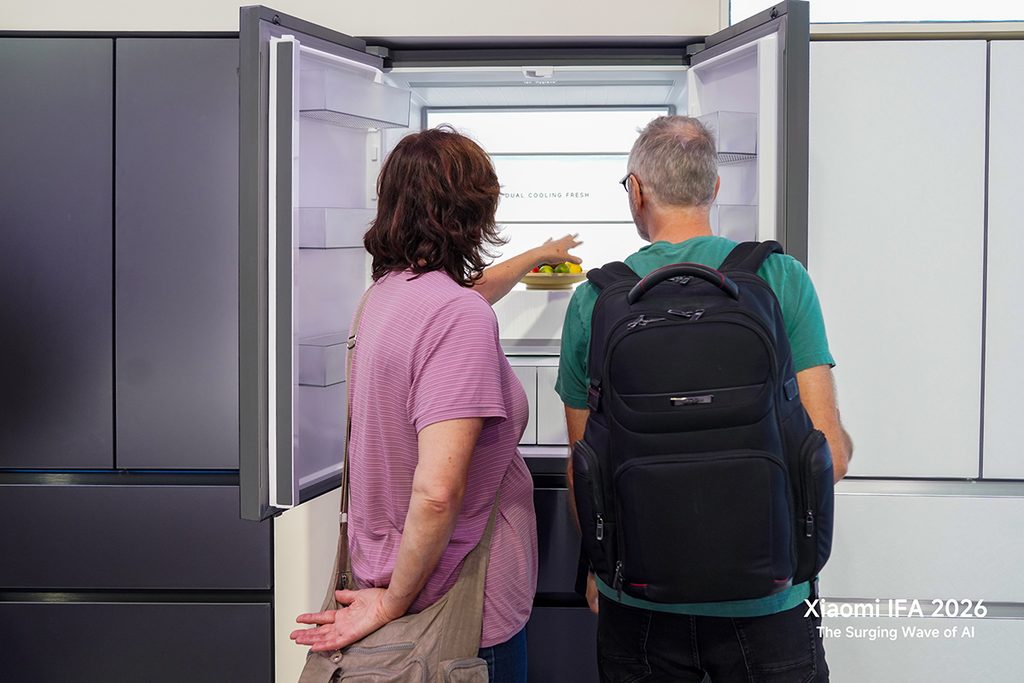
Xiaomi’s white goods brand – Mijia expands across Europe
Mijia currently covers more than 2,000 products across over 130 categories, all designed to work within Xiaomi’s wider ecosystem.
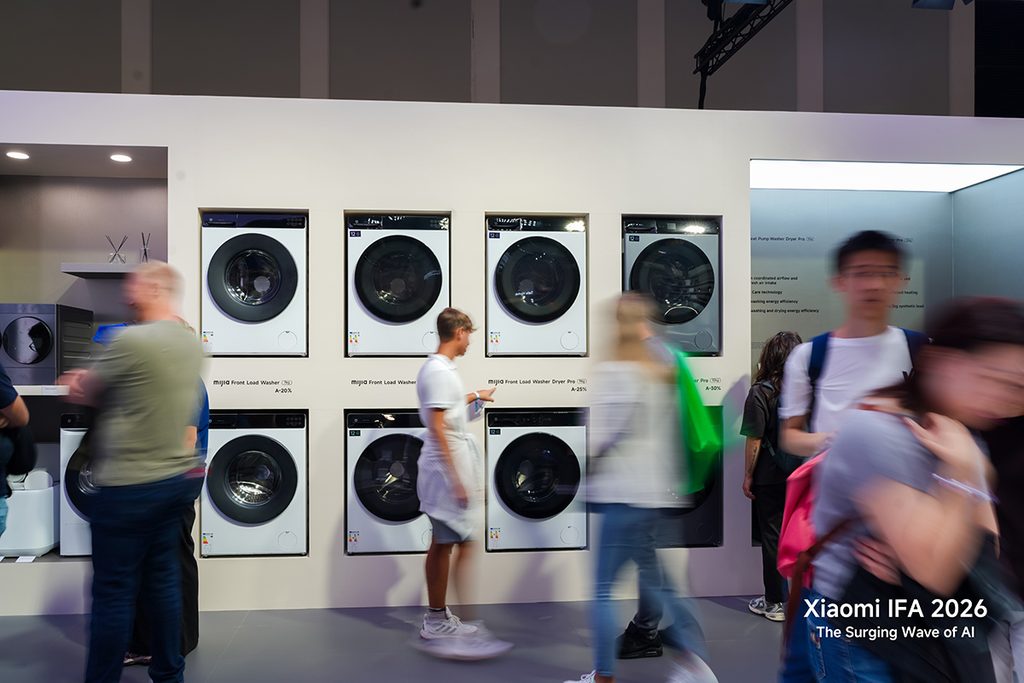
The company says Mijia products have received more than 500 international design awards, while the Xiaomi Home app provides a single platform for managing compatible devices.
This expansion is particularly significant given Xiaomi’s plans for bringing its cars to Europe. The company’s long-term vision is for the phone, home and car to become less like separate products and more like different parts of the same system.
Big plans, bigger R&D budget
Backing all this is a sizeable investment programme. Xiaomi says it expects global R&D investment to exceed €24 billion between 2026 and 2030, covering areas including AI, operating systems, semiconductors, smart vehicles, robotics and smart manufacturing.
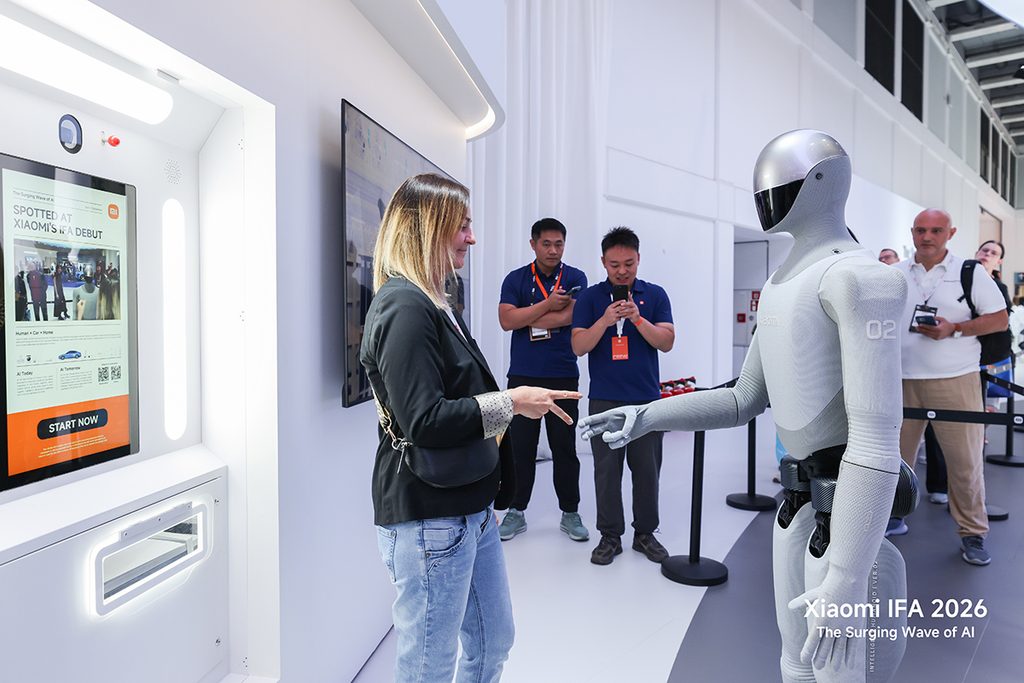
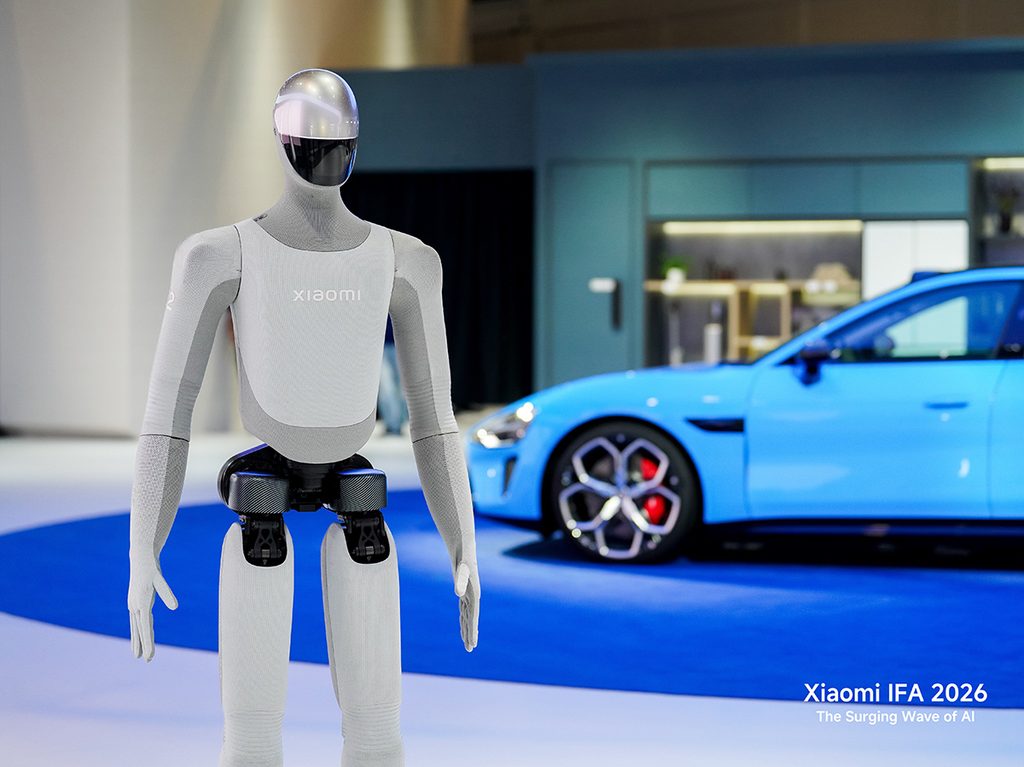
The company is also showcasing its CyberOne humanoid robot at IFA, while testing the technology in its automotive manufacturing operations.
It all makes Xiaomi’s transition from smartphone manufacturer to technology ecosystem rather more interesting than your average “look, we made another phone” story.
With Mijia expanding in Europe and Xiaomi Auto scheduled to arrive in the region in 2027, the company’s Human × Car × Home strategy stands for better product integration.
Photos: Xiaomi
- iCAUR V23 59.93kWh Review: A Little Box of Military-Inspired Quirks

- Mercedes-Benz CLA 200 AMG Line Hybrid Review: Clever Tech, Unconvincing Powertrain

- Audi A6 Sedan 2.0 Advanced TFSI S T tronic Review: The Smooth Executive

- 2026 BMW iX3 50 xDrive M Sport First Drive: Mind-Blowingly Good!

- Mazda Singapore Opens New EV Studio — With a Sneak Preview of the CX-6e