In a sea of electric offerings, the Xpeng G6 aims to stand out with its layers of driver-aiding tech
Singapore – Xpeng, which is pronounced in its home market as ‘Xiao Peng’, after the brand’s founder, is just one of many Chinese car brands which have entered our market in recent years. The G6 electric SUV, which is the brand’s first offering, is worth taking a look at, especially if you are a sucker for a car that is loaded with driver-aiding tech.
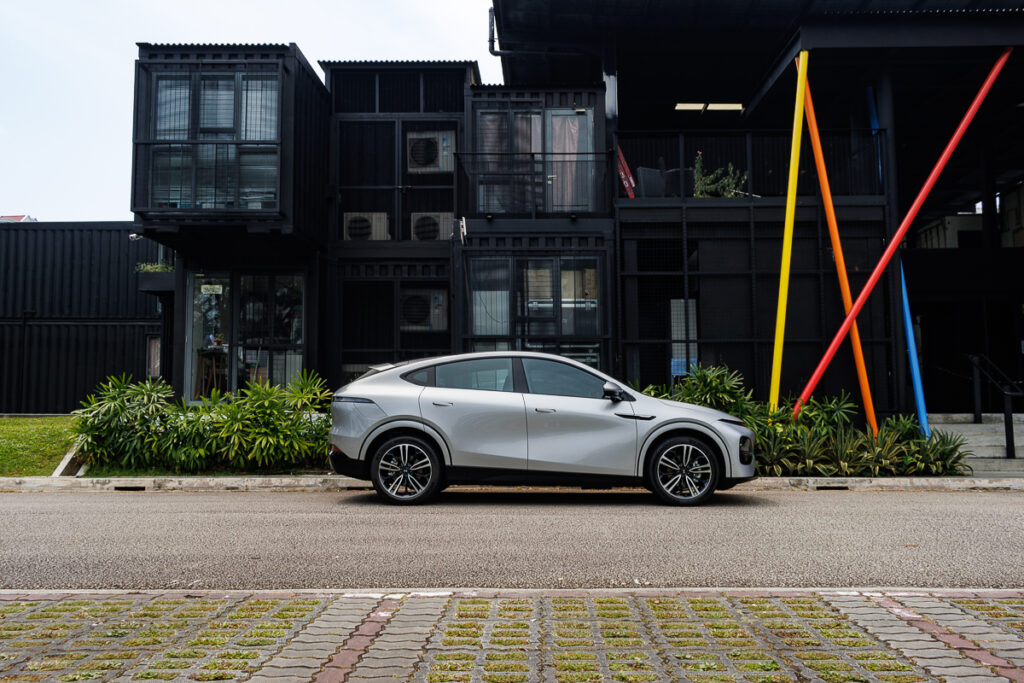
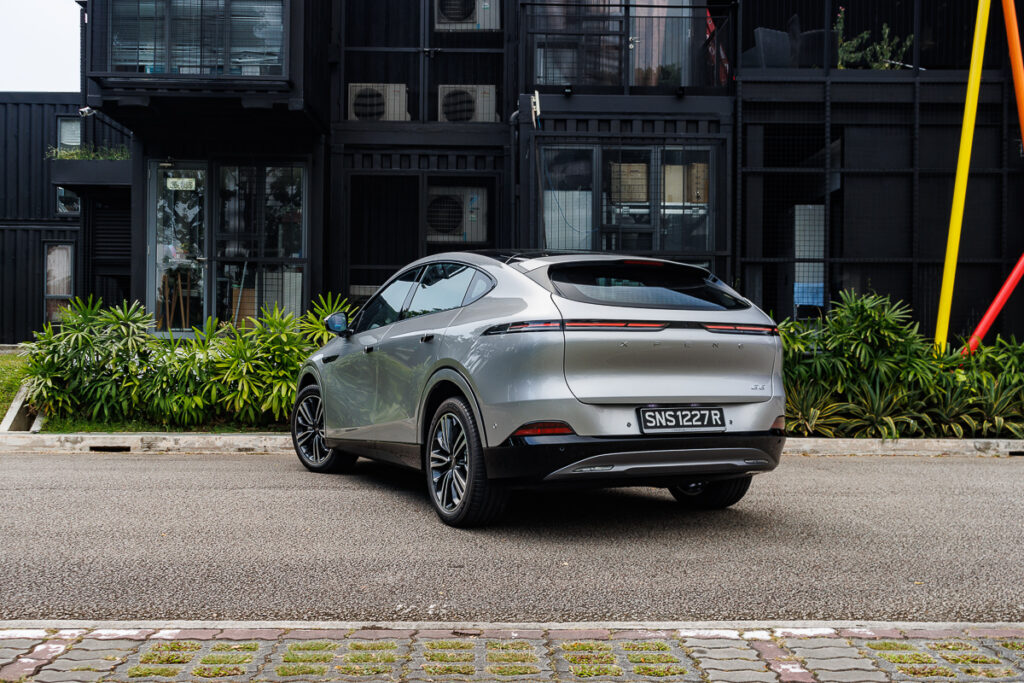
The G6’s unassuming-yet-futuristic jelly mould Coupe-SUV silhouette has become quite the common shape, since it probably is the most tunnel-friendly. Therefore what defines the Xpeng SUV, is its strip head and tail lighting signature.
It’s What’s on the Inside Which Counts… Right?
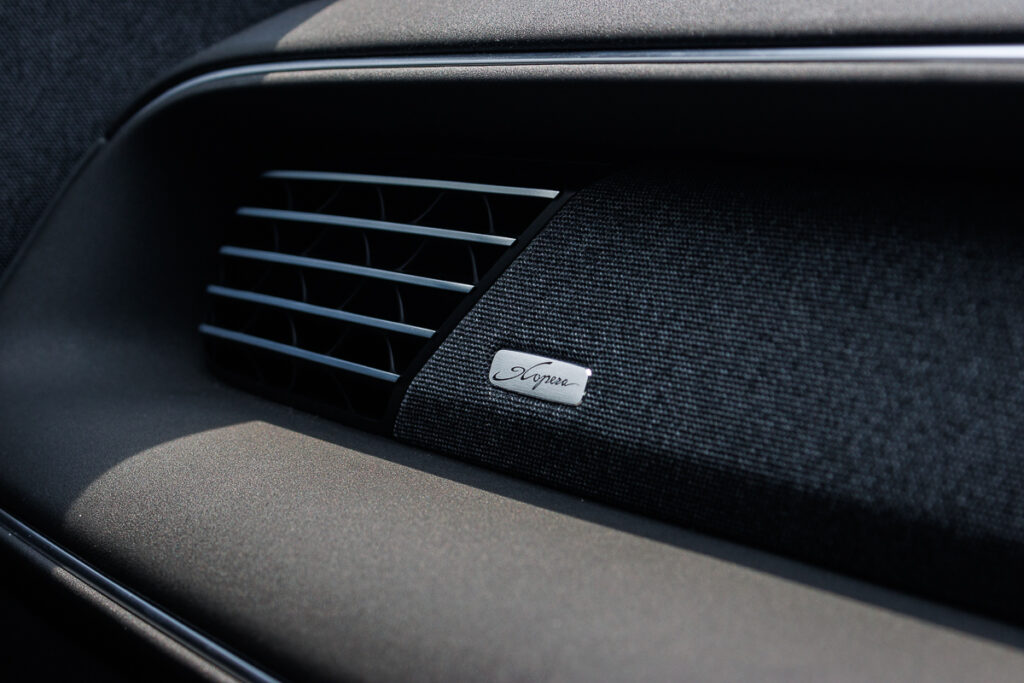
That’s what some say… Over here, the interior is rather minimalist, where much of it is coated in leatherette, or to appease the Greta Thunbergs out there – vegan leather. There are some materials which feel rather scratchy-inexpensive, but overall, most bits are generally well put together. The dashboard has a slight hint of Polestar 2, with its fabric inserts, which punctuate the air-conditioning vents and screens.
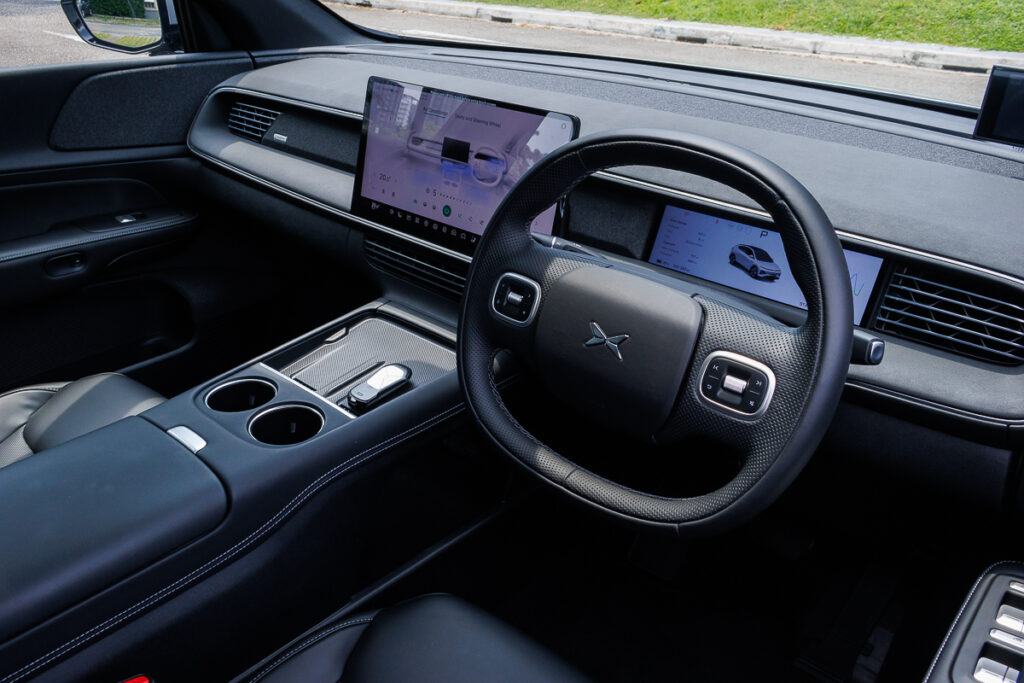
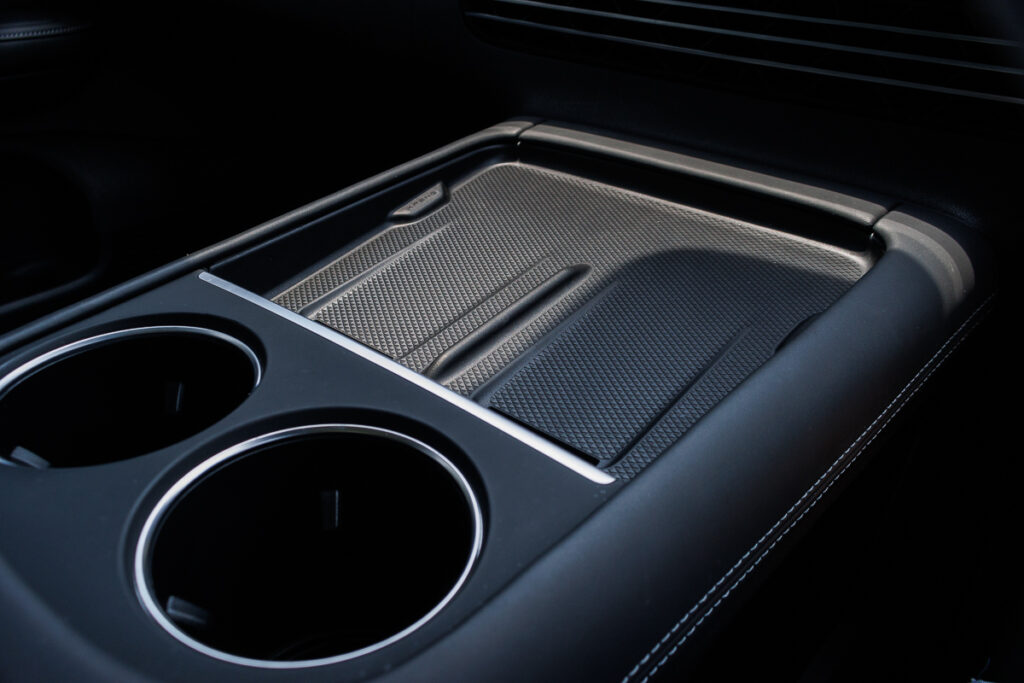
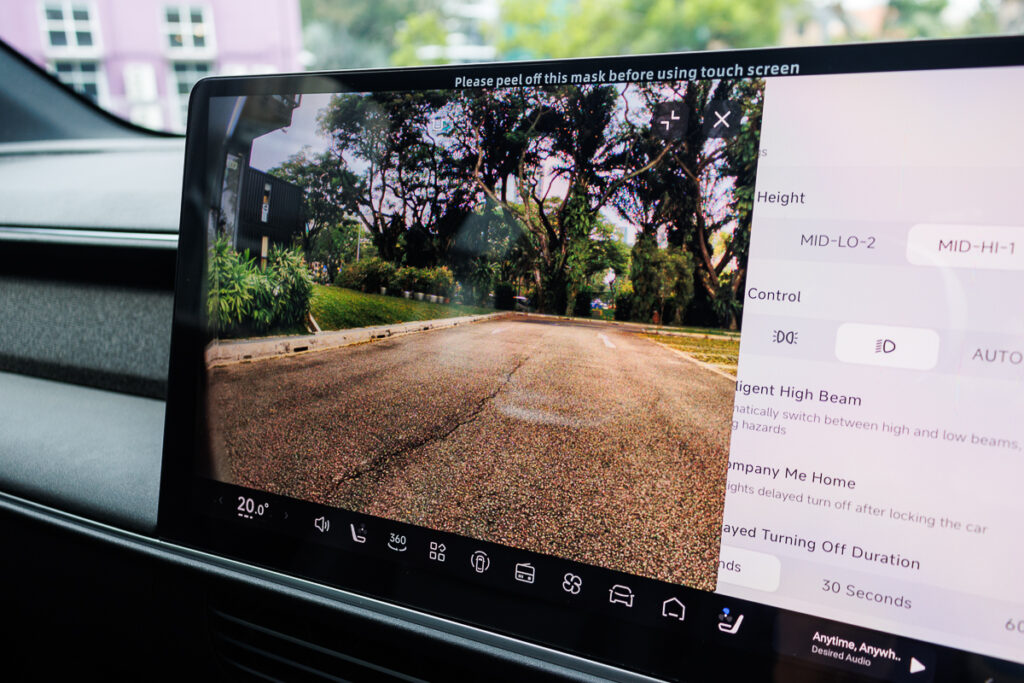
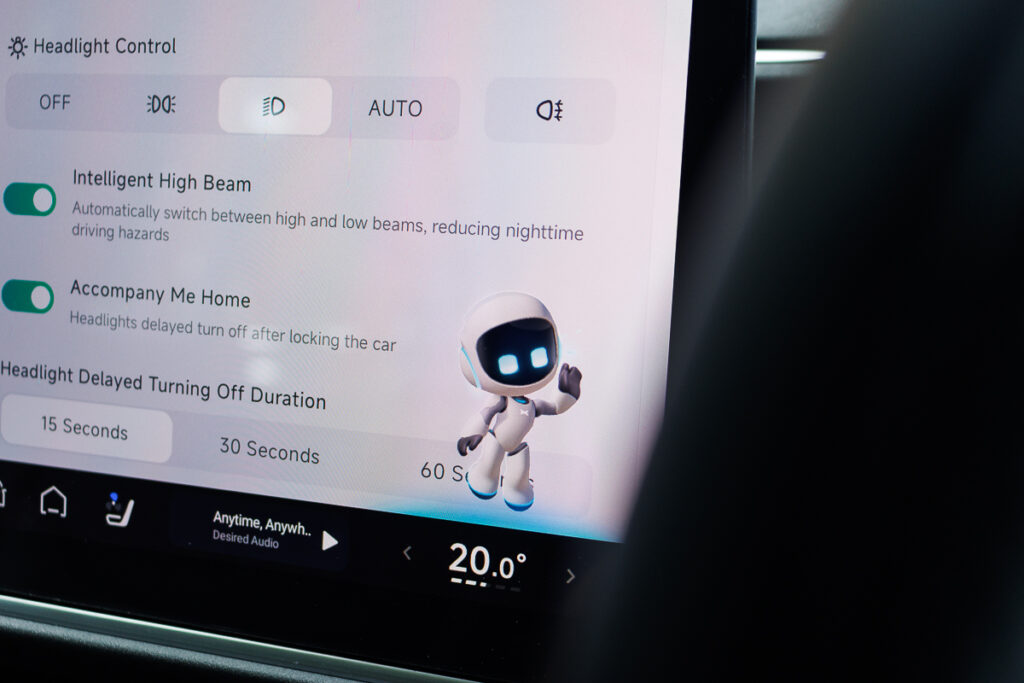
Speaking of screens, the G6 is endowed with a large 14.96-inch infotainment touchscreen, which is possibly one of the more tech-loaded ones I have utilised. Powered by the brand’s own Xmart OS, it features voice activation and over-the-air updates. The interface, when compared to some of its Chinese peers, is better-sorted, where navigating is uncomplicated – which is a huge plus in my books. Occupants up-front benefit from twin wireless phone charging pads, and four USB-C ports, which are great for powering a variety of devices.
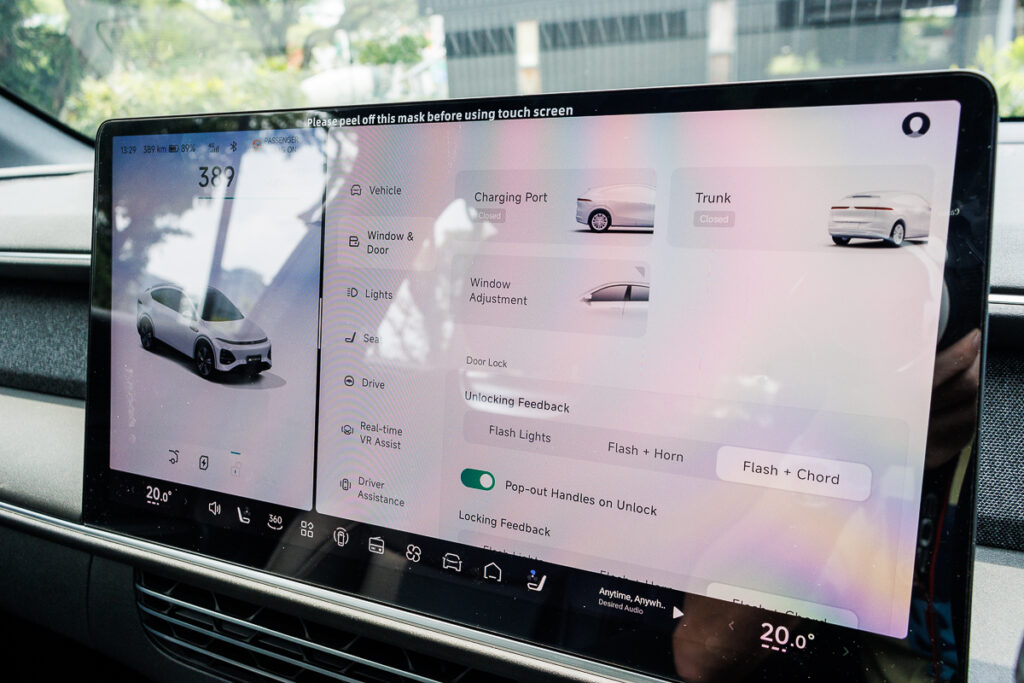
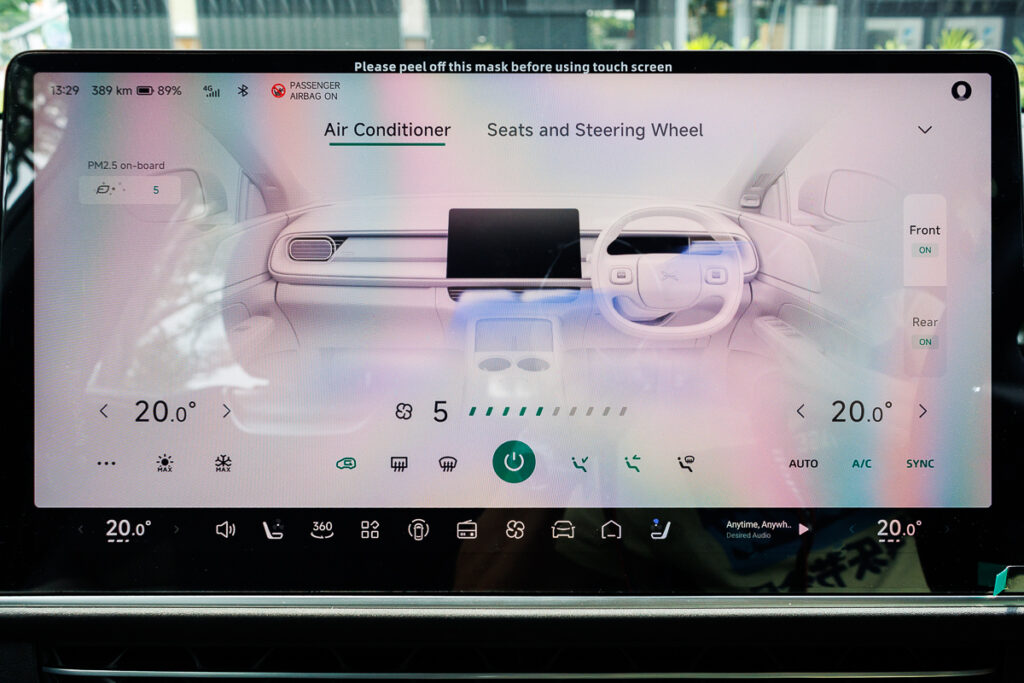
On the other hand, I am not a fan of the air-conditioning controls which are set within the infotainment, adding to my frustration, the controls for the vents are located on the screen.
Another key feature is its eighteen speaker premium audio system, powered by a 960W amp. The G6’s audio quality is quite decent, but I would not go as far as to say that it is mind-blowing. However, being objective apart from the speakers within the headrests (which also offer voice prompts for the SatNav), I personally think that this many speakers are quite the overkill, as the sound quality does not necessarily increase with more speakers.
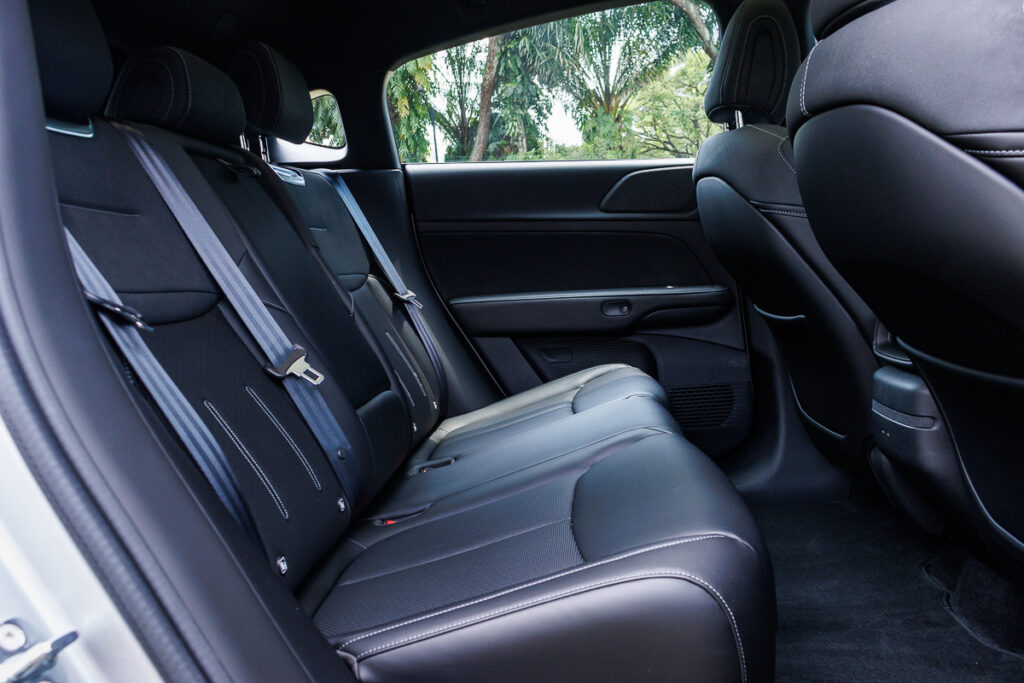
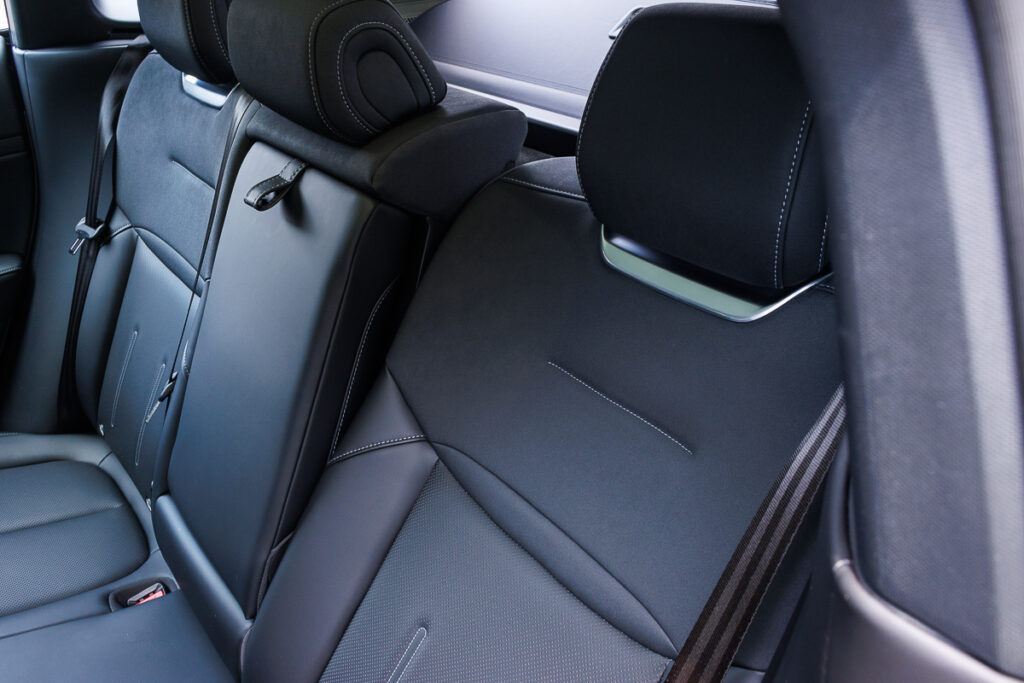
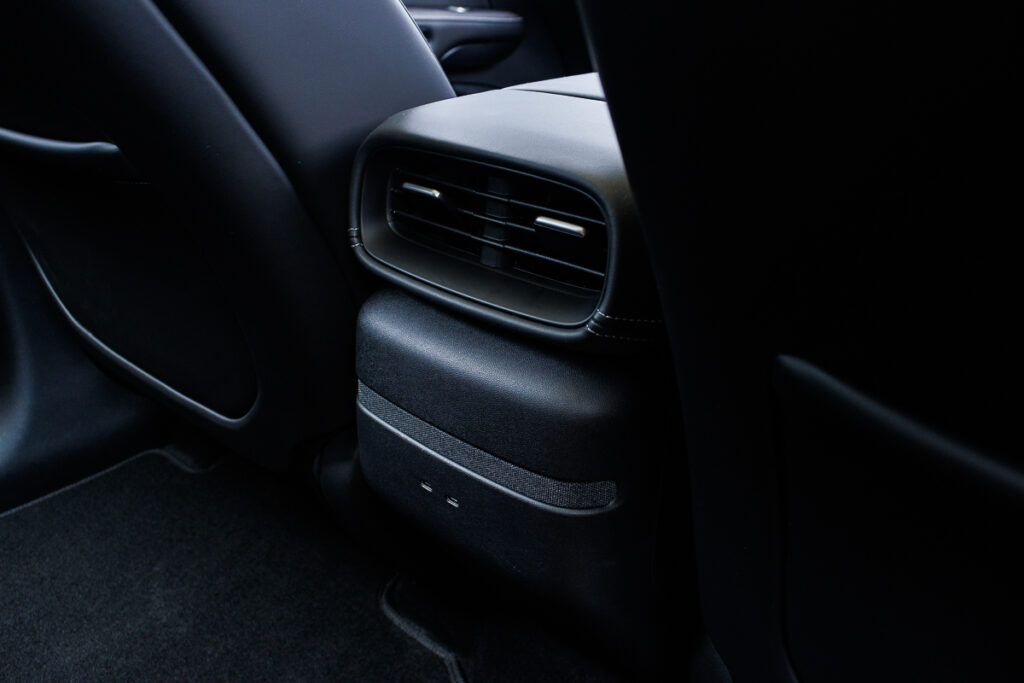
The G6 has no issues with passenger accommodation. There is plenty of space to stretch, and it is also rather wide at 192cm, or slightly wider than something like a BMW i5 Touring; therefore it is able to seat three abreast at the rear, without much complaint. To add to its versatility, the rear seatbacks can recline for added comfort. The downside to the car’s width would be that I found it challenging to find wide-enough parking spaces (where I can exit the car after parking) in certain older carparks.
Cargo space at 571 litres, which is generous, and identical to the BMW X3’s.
More Driven by Tech, Than Being a Driver’s Car
The G6 is powered by a rear motor which is good for 282hp (210kW) and 440Nm. The suspension has a bit of firmness dialed in, while not the best for absolute comfort, it provides the electric SUV with decently confident handling. However, the steering feels vague, which bums-out what could have been some entertainment in the drive.
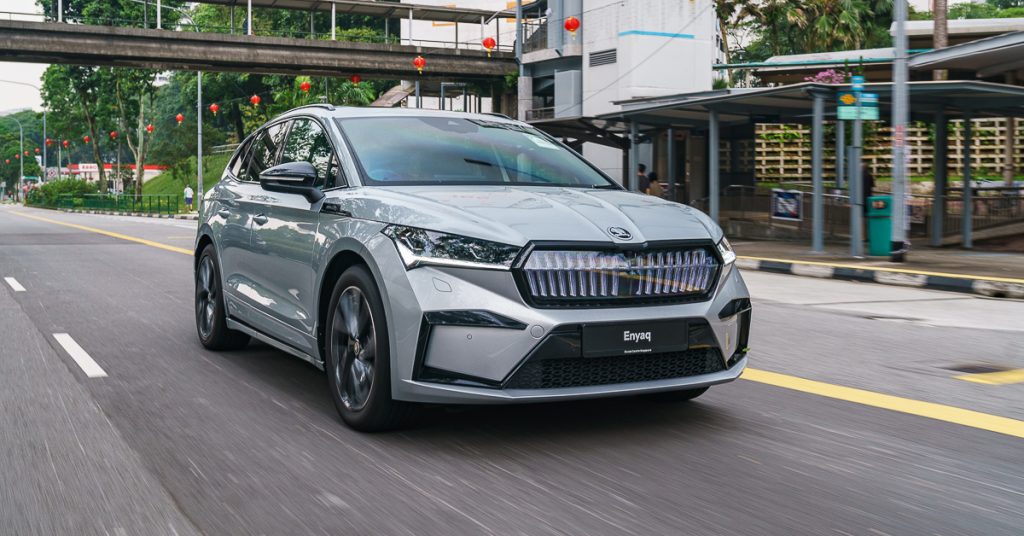
However, I am disappointed that over rougher surfaces, the G6 does let in a considerable amount of rumble through the firewall, which does mar what could be quite a pleasant experience.
As my EV driving style is one where I let the car coast, as opposed to allowing jarring regenerative braking to kick-in, I am glad that the G6 is one of the few which has a full-on coast mode. I averaged out at 17.7km/100kWh, which is close to the G6’s official 17.5km/100kWh. The numbers are near other similar-sized rear-driven electric SUVs.
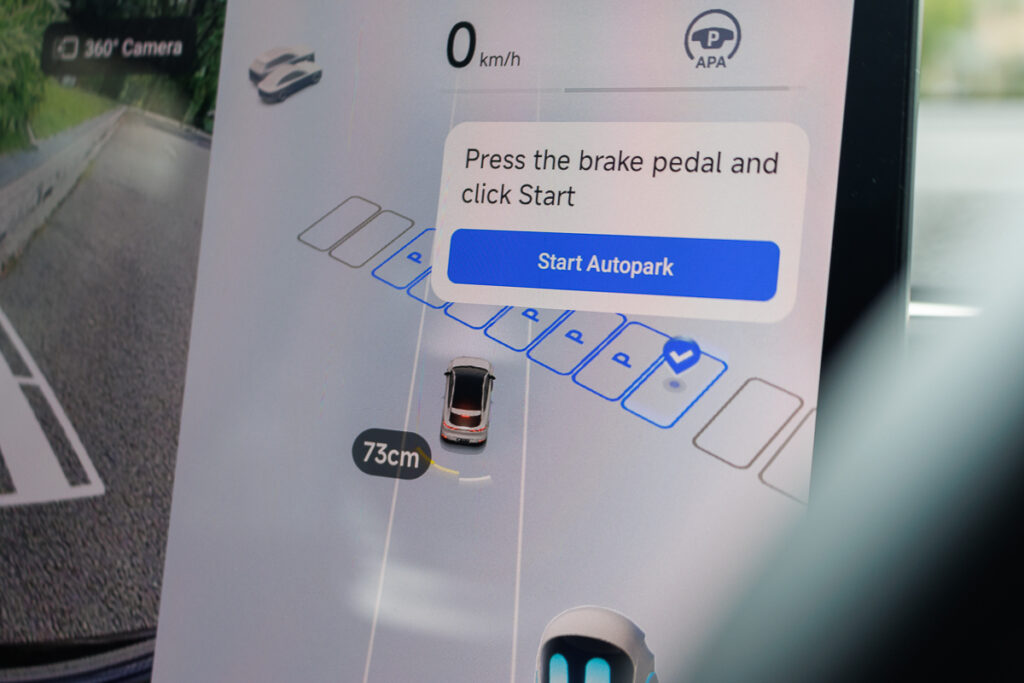
As I mentioned earlier-on, the G6 is loaded with plenty of tech. Plenty of this is drive-focused, which I see as an important USP for the Chinese carmaker. Its active drive safety suite, dubbed XPILOT, includes a good scatter of radar, ultrasonic sensors and cameras, to aid in piloting the car and keeping things safe. Apart from blind spot cameras, which are becoming a little more commonplace, I find it impressive that the G6’s safety suite is able to distinguish between various lane marking types and even surrounding vehicle orientation.
While I am not a fan of using auto parking features, but being smitten by the G6’s layering of tech, I caved and gave it a go. Very impressively, it is able to identify individual spaces, allowing you to select your preferred lot as you please.
Charge Fastly
The Xpeng G6’s 800V architecture is still at this point pretty advanced. Off the cuff, I can think of two pairs of related cars with 800V tech, they would be the KIA EV6 and the Hyundai IONIQ 5, and also the Porsche Taycan and Audi e-tron GT. Charging the Xpeng G6 from 10-80 percent would take about 20 minutes on a DC fast charge.
Very-Many Competition
I did an estimate, and counted more than ten electric offerings which would compete very directly with the Xpeng G6.
Would the layers of driver-assisting technology be the Xpeng’s USP? Well that really depends if tech would be the driver that drives you.
Text: Clifford Chow
Photos: Clifford Chow
| Pros | Cons |
|---|---|
| Heaps of driver-aiding tech | Too many things embedded in the infotainment |
| Decent handling | Intrusive road noise over rough patches |
| Versatile |
2024 XPeng G6 Long Range 87.5kWh
| Drivetrain | Full Electric |
| Layout | Single Motor, Rear Drive |
| Motor power / torque | 282hp / 440Nm |
| Battery capacity | 87.5kWh |
| Efficiency | 17.5kWh/100km |
| Electric Range | 570km |
| 0-100km/h | 5.5 seconds |
| Top Speed | 200km/h |
| VES Band | A1 |
| Dealer | XPremium BEV |
| Price | S$227,999 with COE and VES |
| Verdict | In a sea of competition, would the Xpeng G6’s tech be enough to win you over? |