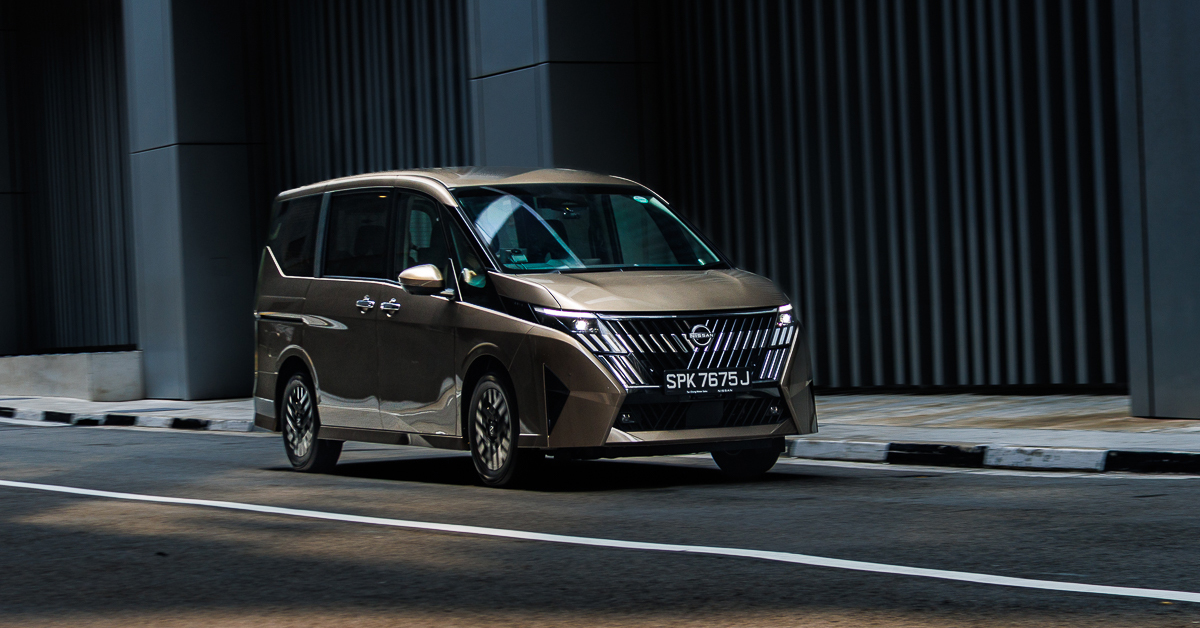


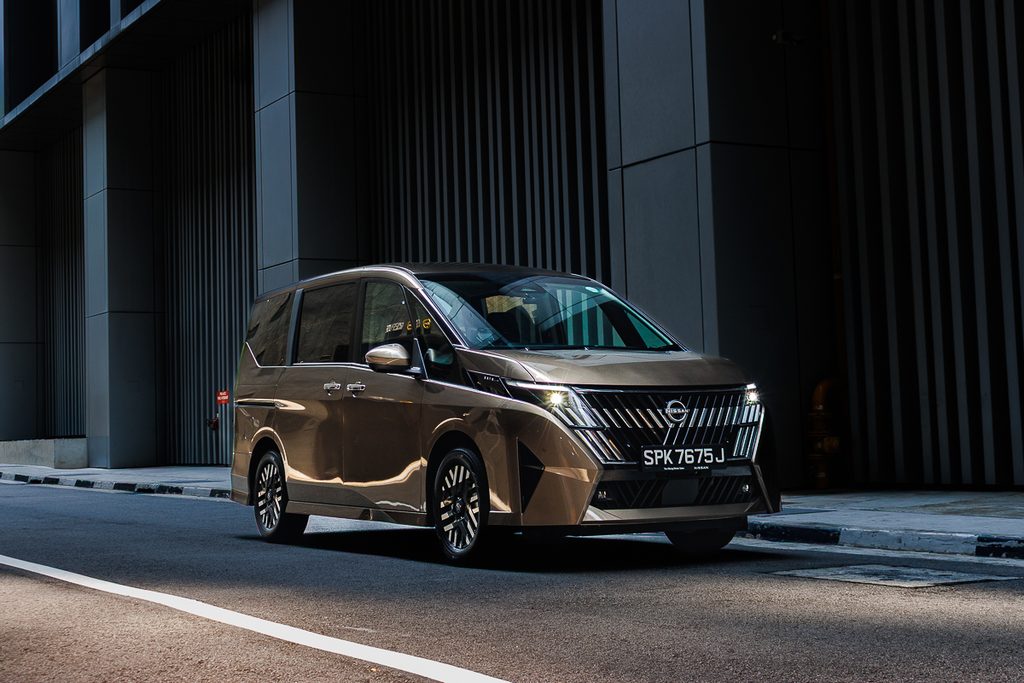
Nissan gives its popular MPV a technology refresh, adding more convenience and driver assistance to an already easy-going people mover. The Serena remains much the same at heart, and that is not necessarily a bad thing.
Singapore — The Nissan Serena has something going for it that I feel most people probably would not think of. It is Japanese.
But of course it is! What sort of rainbow-flavoured fool would not know that Nissan is Japanese?
But what am I getting at here?
Well, up until 1989, a car like the Serena would have qualified for Japan’s 5ナンバー, or 5-number compact car classification. To qualify, a vehicle had to be less than 4,700mm long, 1,700mm wide and 2,000mm tall, with an engine capacity below 2.0 litres. The classification came with the benefit of a lower tax bracket.
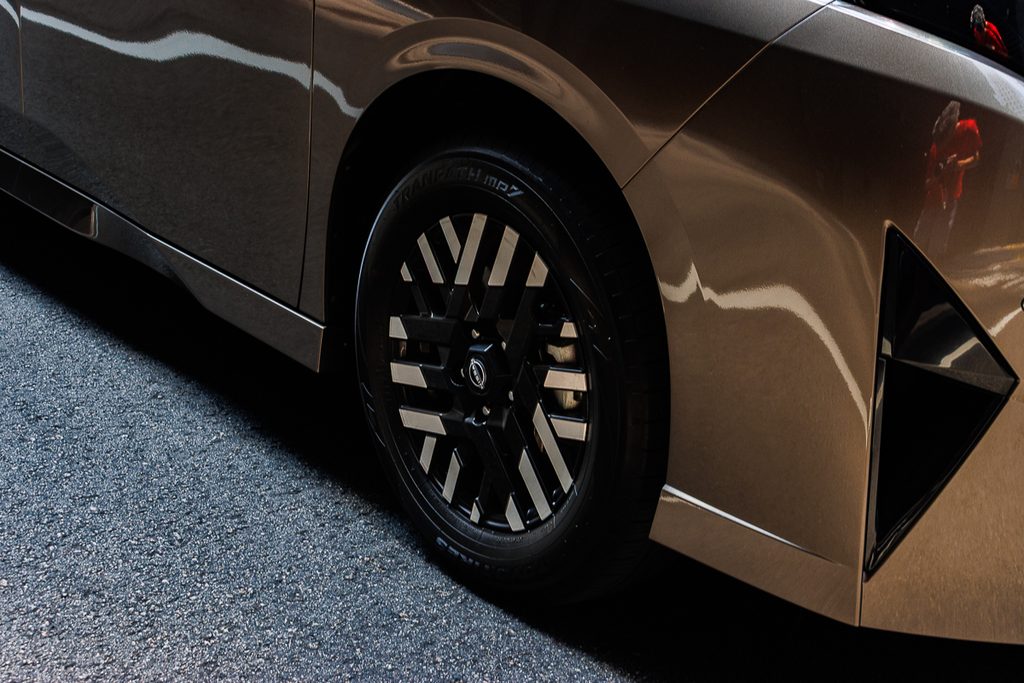
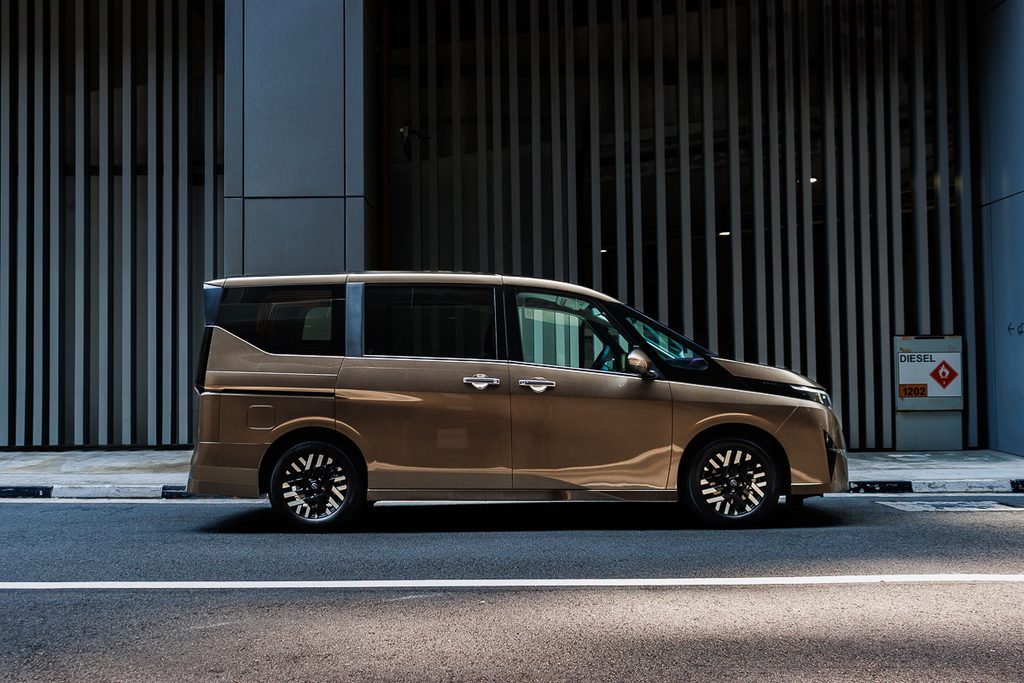
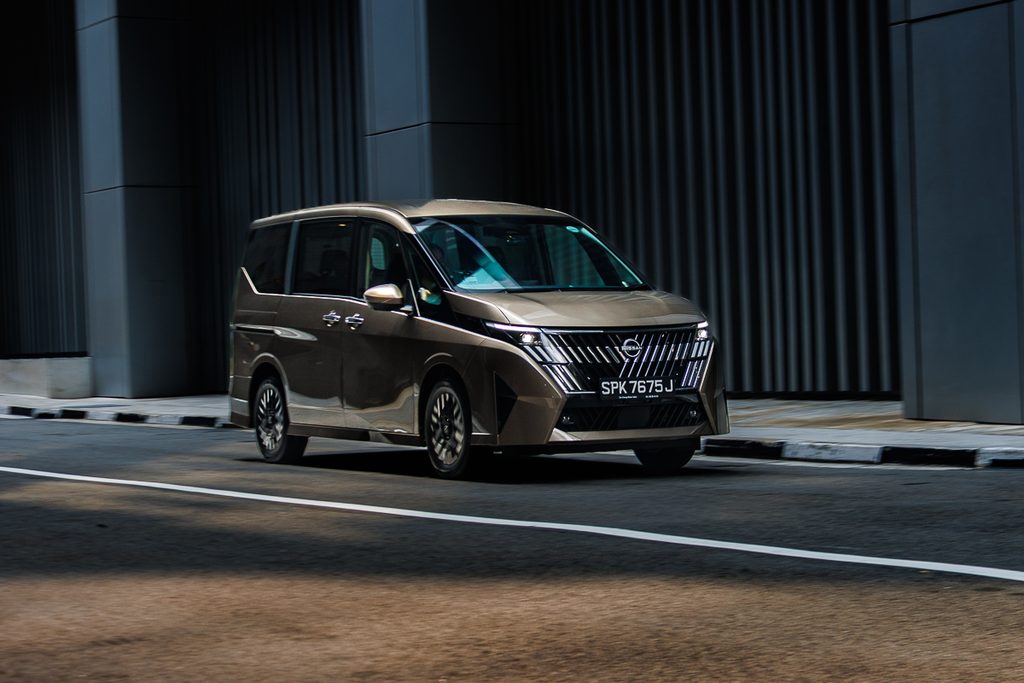
Japan has since done away with the special tax segment, and the Nissan Serena has also grown slightly over the years. The current car measures 4,715mm in length and 1,715mm in width, putting it just outside those dimensions.
But if you note that the car is not even 2cm larger in either direction than the old tax classification, you might realise that I am onto something here.
One reason why the compact MPV’s dimensions have remained so close to those original measurements is that Japan has plenty of existing parking elevators that simply cannot accommodate anything much larger. Even today, the Japanese find themselves having to work around the limitations of their very own infrastructure.
But why should that matter to us?
Surely you have come across some of Singapore’s car parks where the parking lots are so narrow that getting out of your car can be an exercise in contortion.
Aiyah… forget Lido lah! That one takes the cake and the kueh here!
Having driven my fair share of Chinese EVs by now, where I sometimes struggle to open the doors without making contact with a wall or the neighbouring vehicle, I have come to appreciate just how useful the Serena’s relatively narrow body can be.
Clever packaging, with room for one more
On the inside, it is evident that Nissan has worked its Japanese magic on the Serena’s packaging. The company has found plenty of ways to make the interior as practical as possible, without making the MPV unnecessarily cumbersome on the outside.
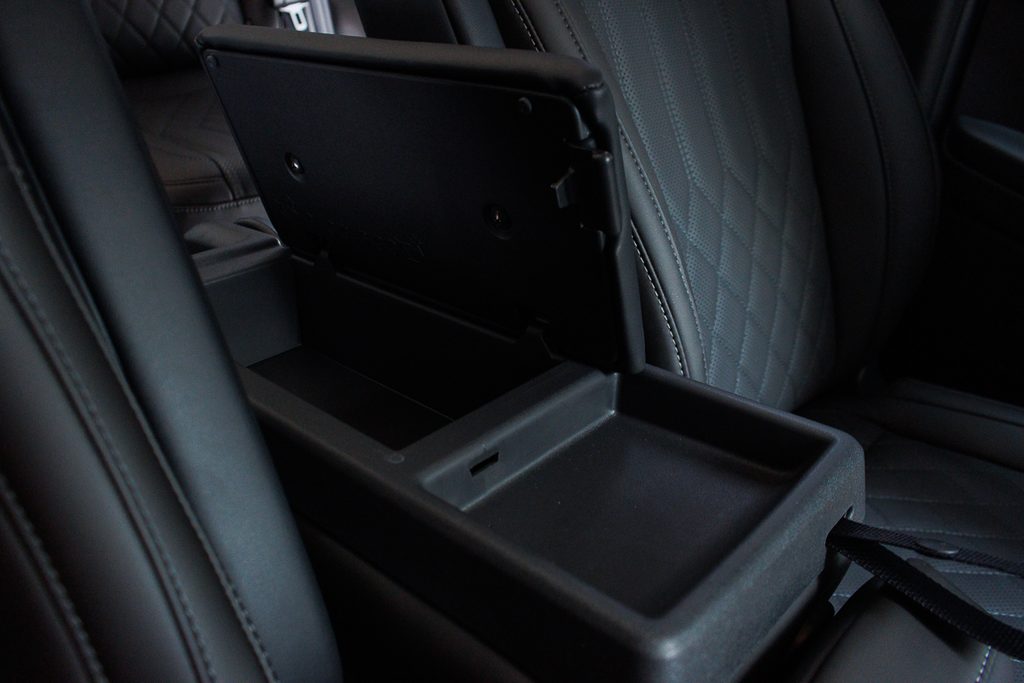
Speaking of practicality, the sliding doors come with a convenient hands-free automatic opening function on both sides. This is particularly useful when you are juggling groceries, carrying your young ‘un, attempting to do both at the same time… or even adding a dry-humping dog to your leg.
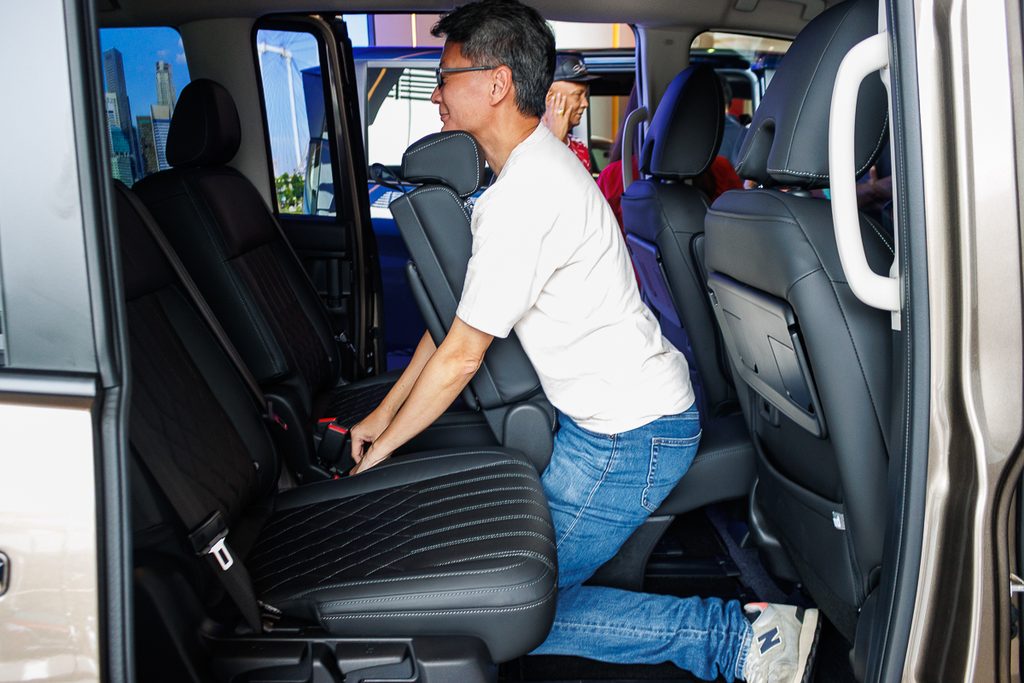
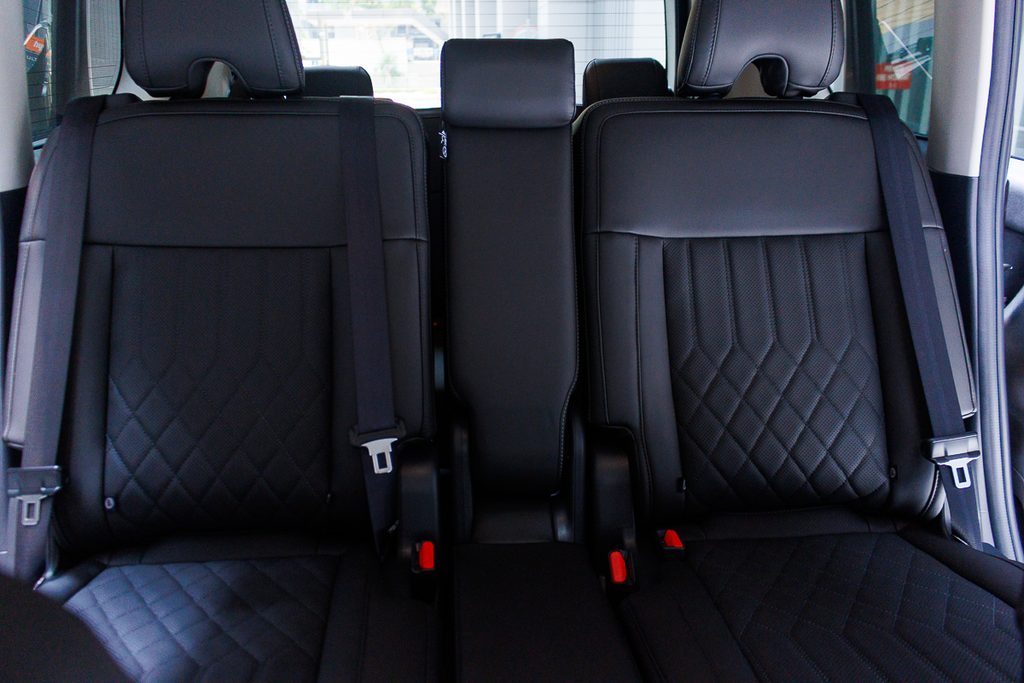
The variant here is the Highway Star Smart 8, which adds an additional plus-one seat between the two middle-row seats, giving you a 2-3-3 seating configuration.
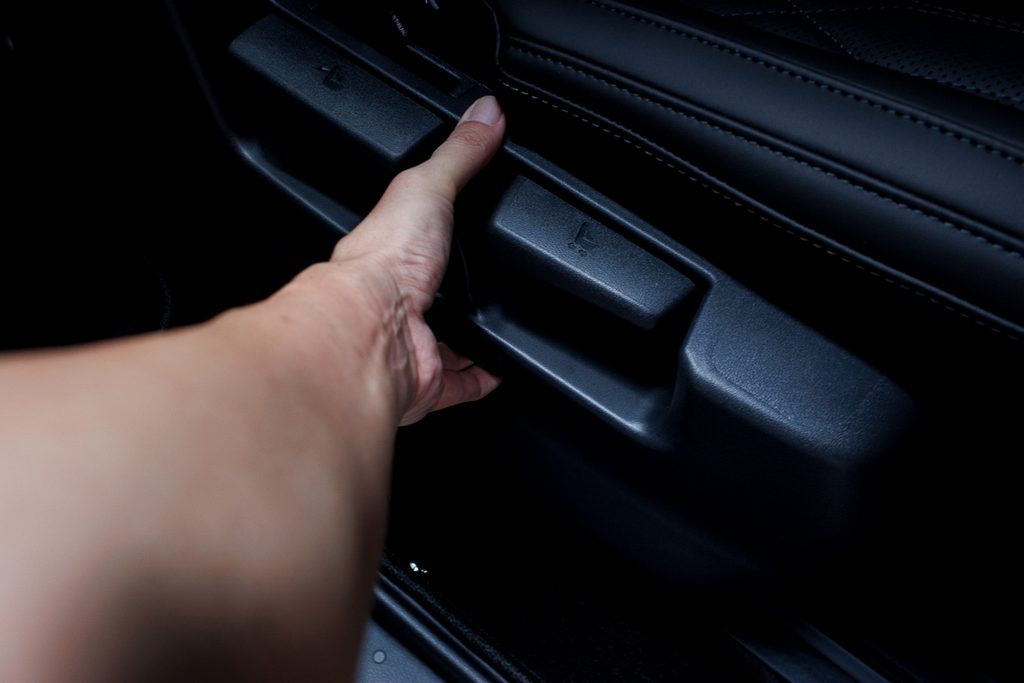
Now, I would not necessarily recommend that extra seat for a long-distance journey. But if you need to transport the troops, well, you can.
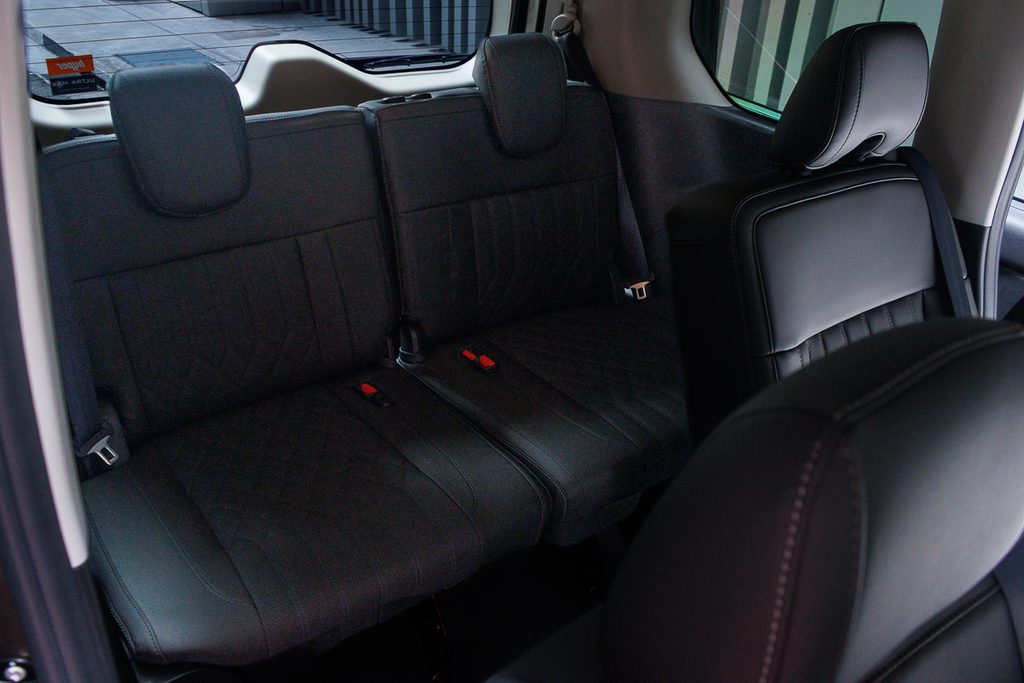
When the additional seat is not required, it folds and rolls forward to become a useful container for the front occupants. You also get an aisle between the middle-row seats, making it easier to scoot through to the rear.
Boot space starts at 280 litres, and Nissan says the interior can be arranged in up to thirteen different configurations to accommodate passengers and cargo.
I do find securing the third-row seats, which fold towards the sides of the vehicle, a little tricky. However, I would not consider this a deal-breaker. Most owners are likely to leave the last row deployed for much of their ownership anyway, unless they regularly need the extra cargo room.
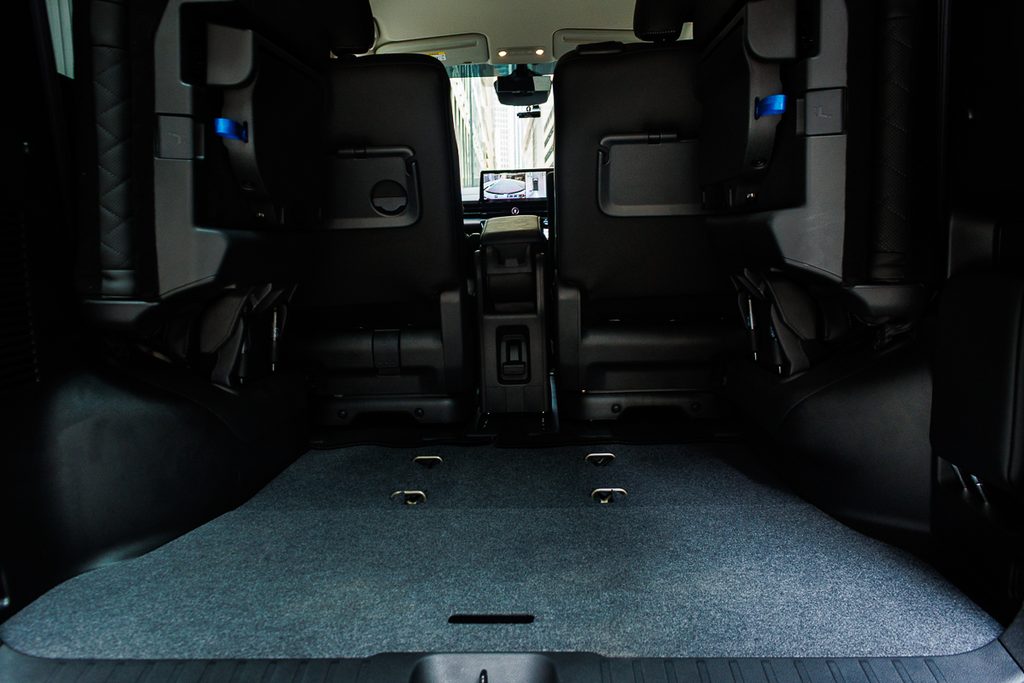
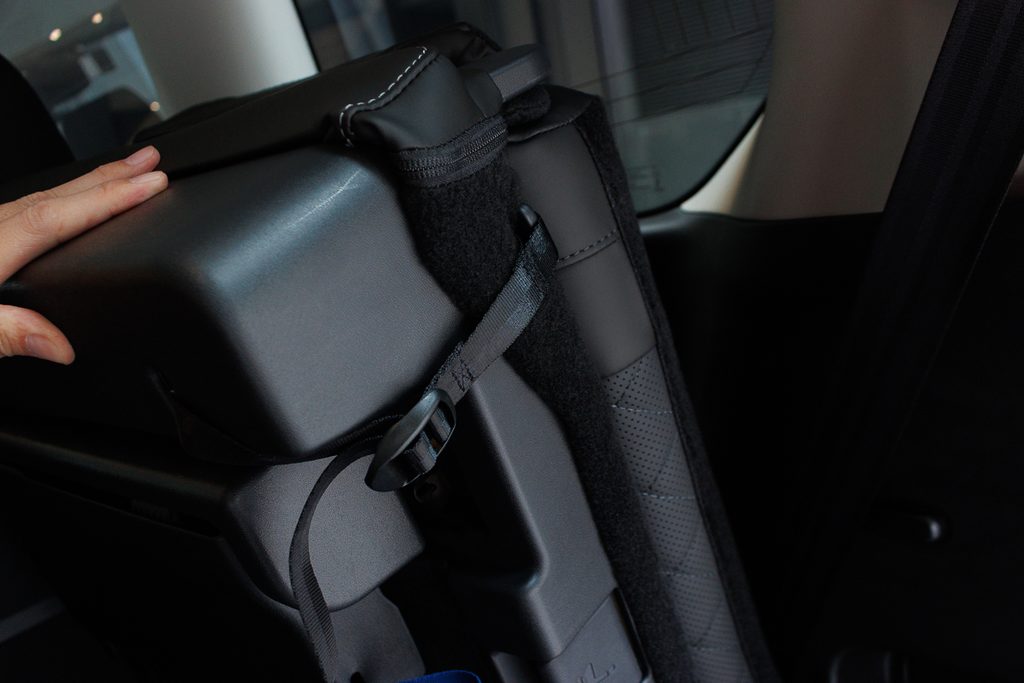
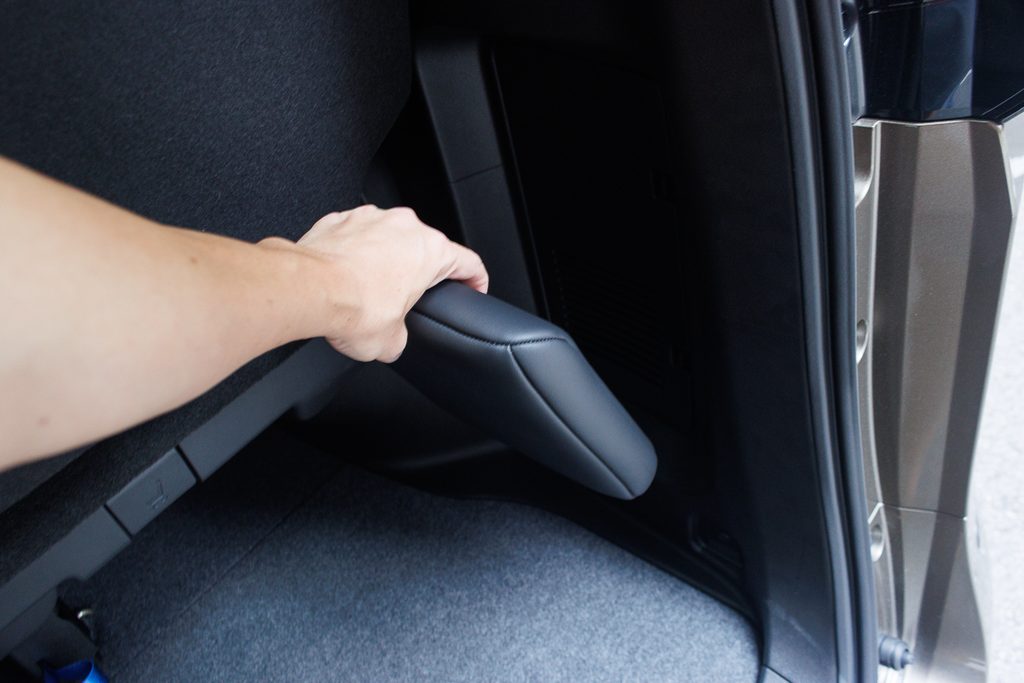
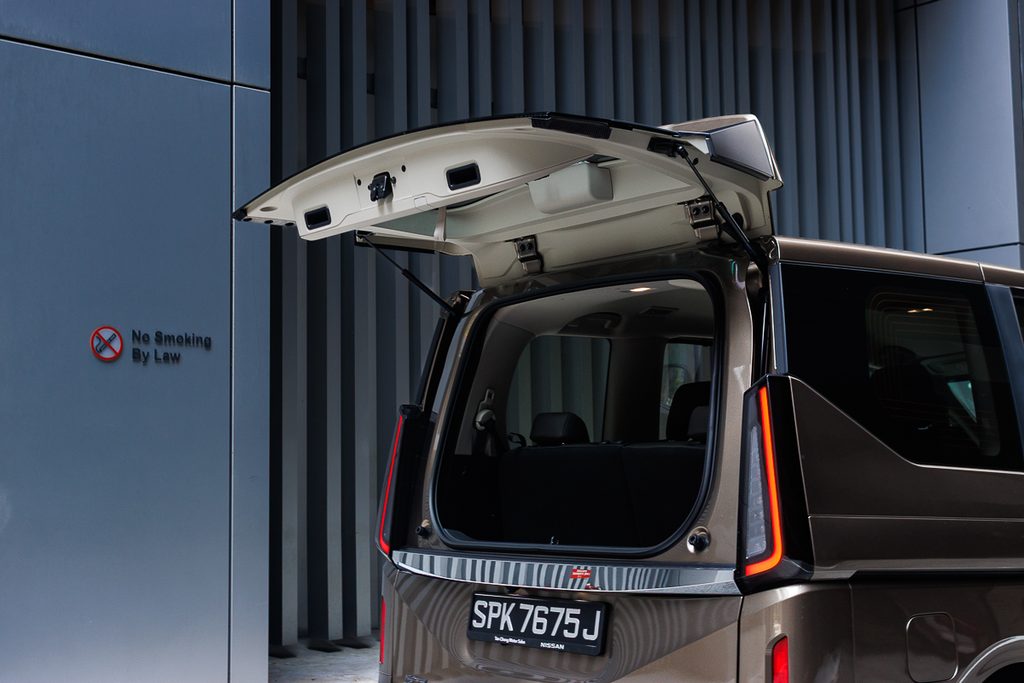
One of my favourite features remains the dual tailgate. The upper glass section can be opened independently, allowing you to access the boot even when the Serena is parked close to a parapet. It is, in my books one of those little touches that makes a surprising amount of sense once you start using it.
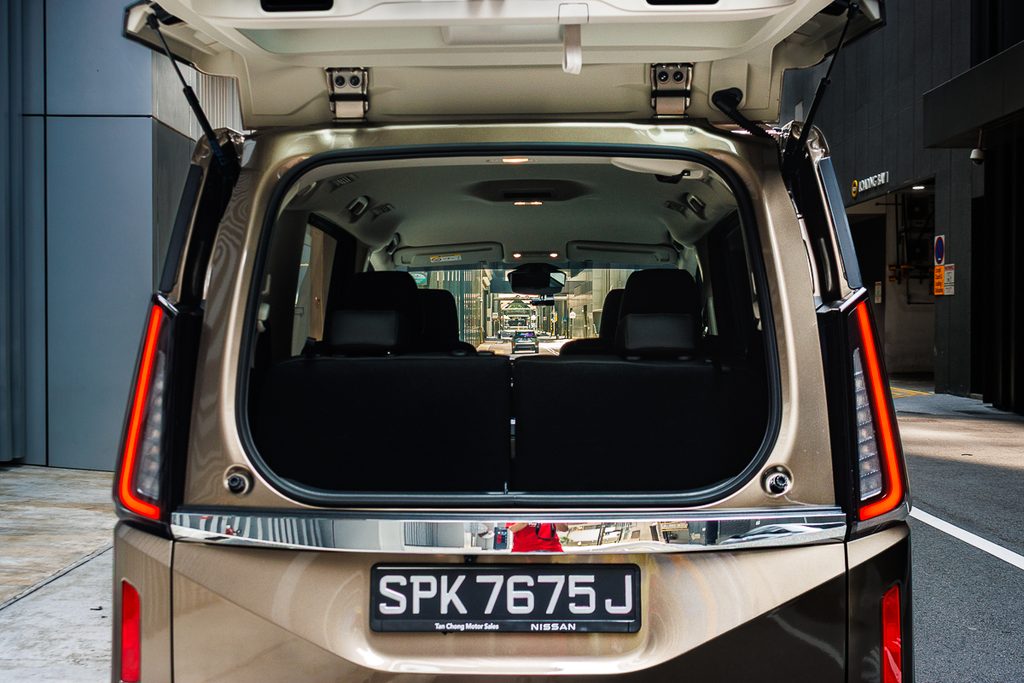
More technology, without losing the buttons
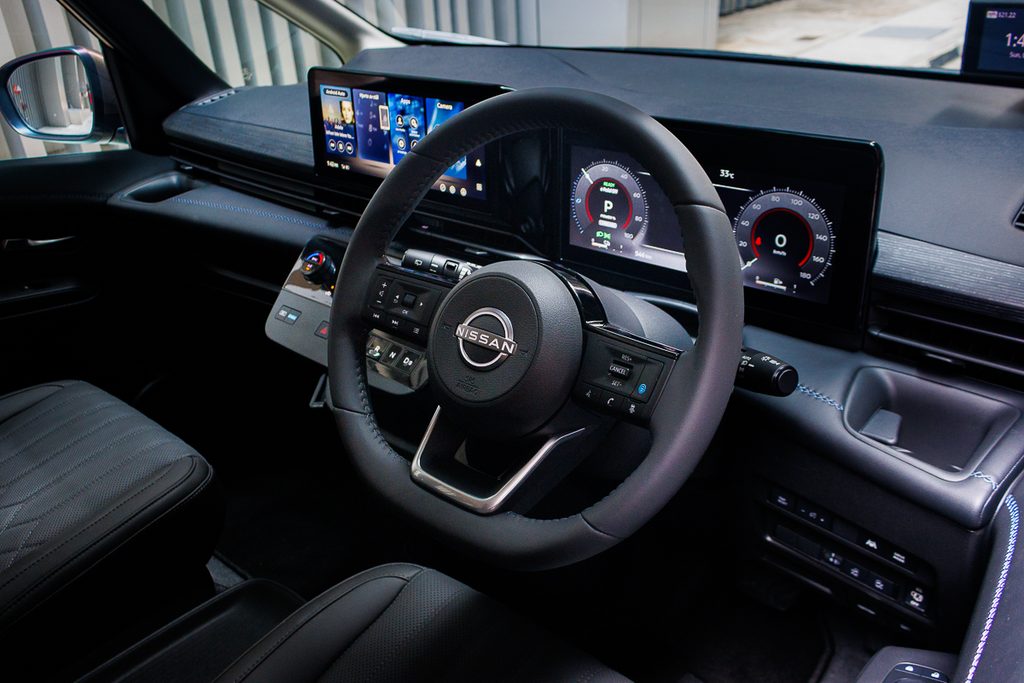
Up front, the cockpit gets a pair of 12.3-inch displays covering infotainment and driver information duties.
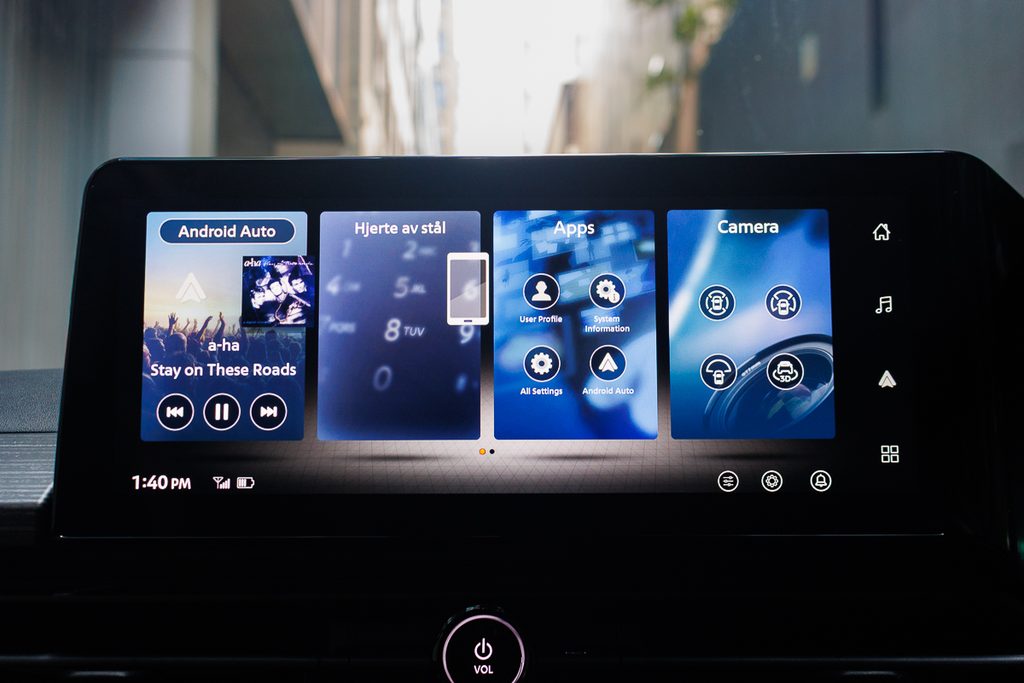
The NissanConnect touchscreen supports wireless Apple CarPlay and Android Auto, while the driver’s instrument display offers a degree of customisation for its graphics and the information shown.
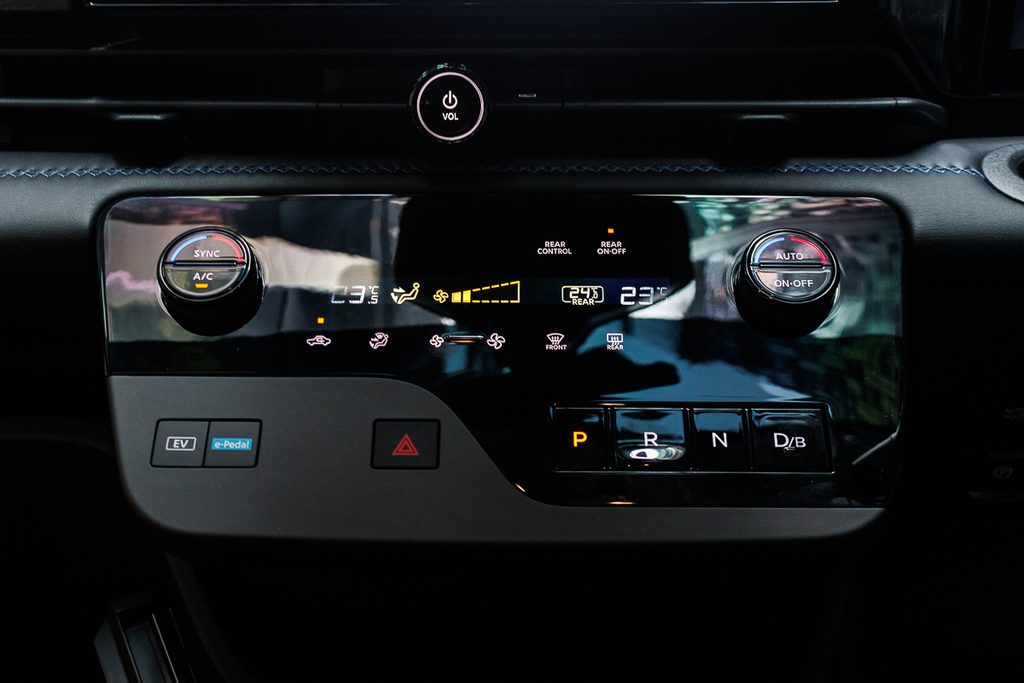
I also appreciate that Nissan has retained physical buttons and knobs for the air-conditioning controls, rather than burying everything within the touchscreen.
Same drive, better tech
Under the bonnet, the Serena continues to drive its front wheels through Nissan’s second-generation e-POWER series-hybrid system.
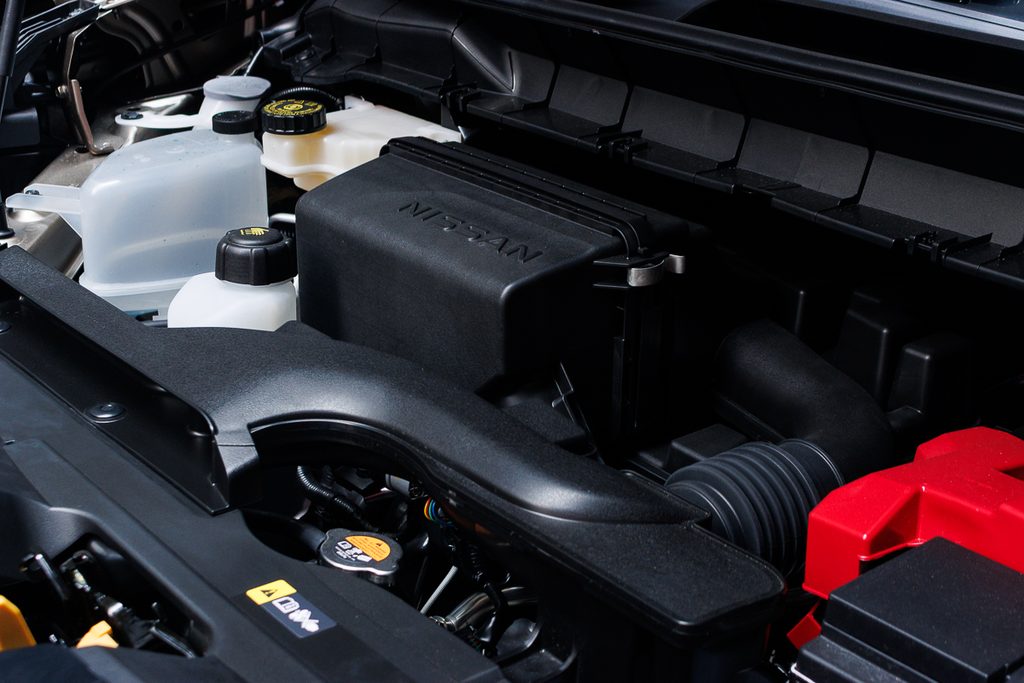
The electric motor produces 159hp (120kW) and 315Nm, with electricity supplied by a 1.4-litre three-cylinder petrol engine acting as a generator. Delivery feels inherently smooth and rather EV-like.
Pull away from the traffic lights and you get that familiar electric silence. The engine only pops into action when the battery needs charging or when more power is required under heavier acceleration, feeding the 1.77kWh lithium-ion battery along the way.
The result is an easy-going driving experience that suits the Serena’s role as a family MPV rather well.
Ride quality is genuinely comfortable, too, with the suspension clearly tuned with passenger comfort in mind. However, I quickly found that the Serena’s handling is not quite as sharp as that of its Toyota Noah rival.
It remains predictable around turns, but ask a little more of it through a corner and you will soon find that the MPV is not particularly fond of leaning into the bend. Then again, this is a people mover, not something you would take out for a spirited “I hate Monday” drive.
Over rougher surfaces, the suspension can also feel a little unsettled, transmitting some of the road’s rumble into the cabin.
More eyes when driving and parking
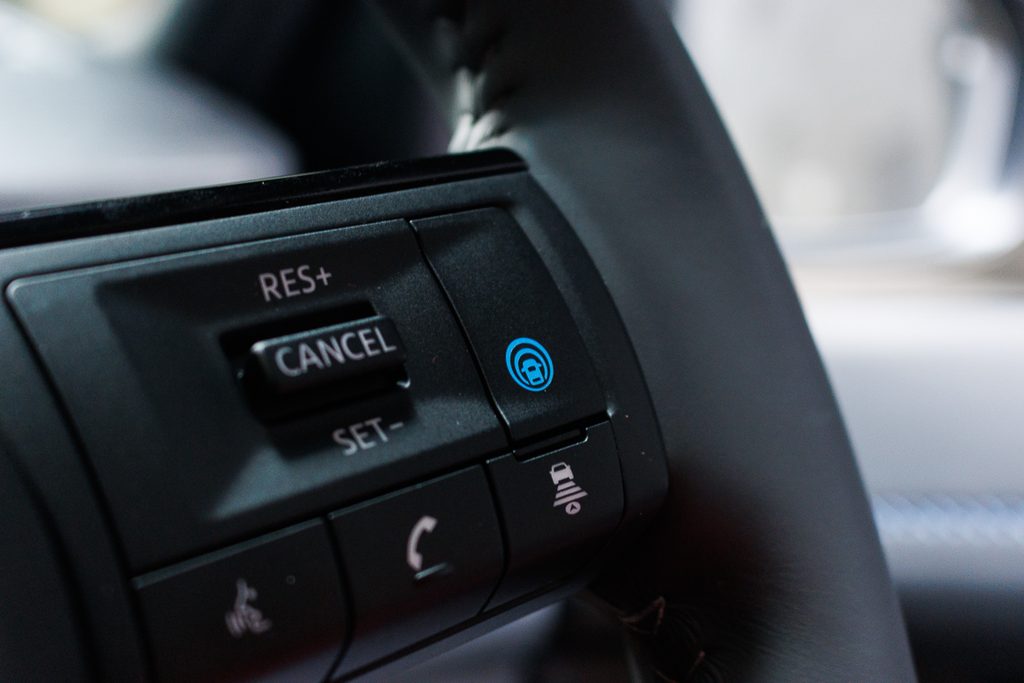
One of the more meaningful updates comes in the form of Nissan’s semi-autonomous Intelligent Cruise Control (ICC), paired with ProPILOT Assist 1.0.
The system allows the Serena to maintain a set distance from the vehicle ahead, while also helping to keep the MPV centred within its lane. The updated system uses additional side cameras to assist with lane positioning.
It works reasonably well when the road markings are clear, although I found that it can struggle when lane markers begin to fade or disappear.
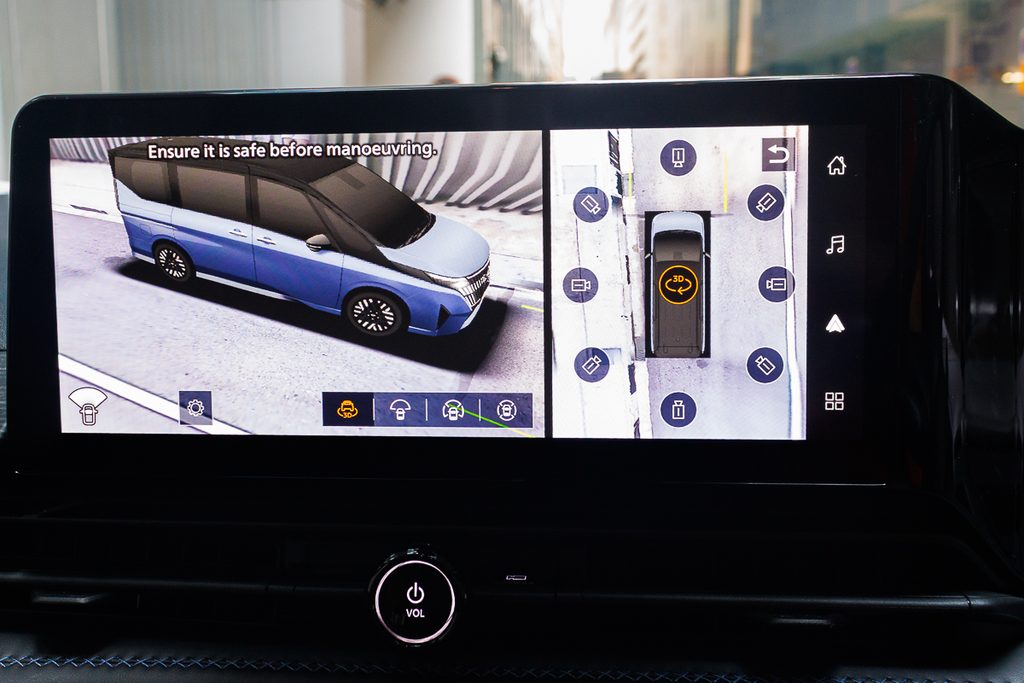
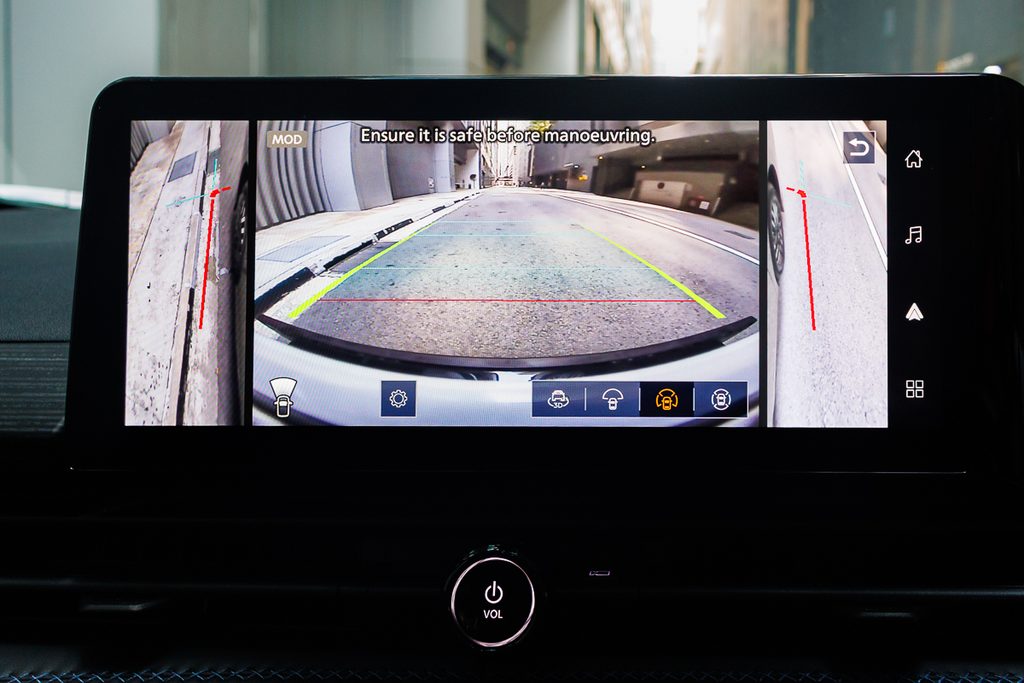
Speaking of cameras, the resolution of the Serena’s camera system has also been upgraded. Together with the side cameras, you get a top-down 360-degree view of the vehicle, which is particularly handy when manoeuvring in tighter spaces.
The rear cross-traffic alert system also helps detect moving objects when reversing, adding another layer of reassurance when backing out of a parking lot.
But honestly, parking the Serena is hardly a chore in the first place. Its excellent all-round visibility, combined with its relatively narrow body, makes it remarkably easy to slot into a perpendicular parking space.
Plenty of good
I feel that the Nissan Serena is a well-thought-out MPV, particularly in the way Nissan has managed to package its interior.
Its smooth, electric-like drive delivery is another strong point, while the facelift brings welcome improvements to its technology and driver assistance systems.
This eight-seater Highway Star Smart 8 is the most expensive Serena variant in the local line-up, retailing at S$235,800.
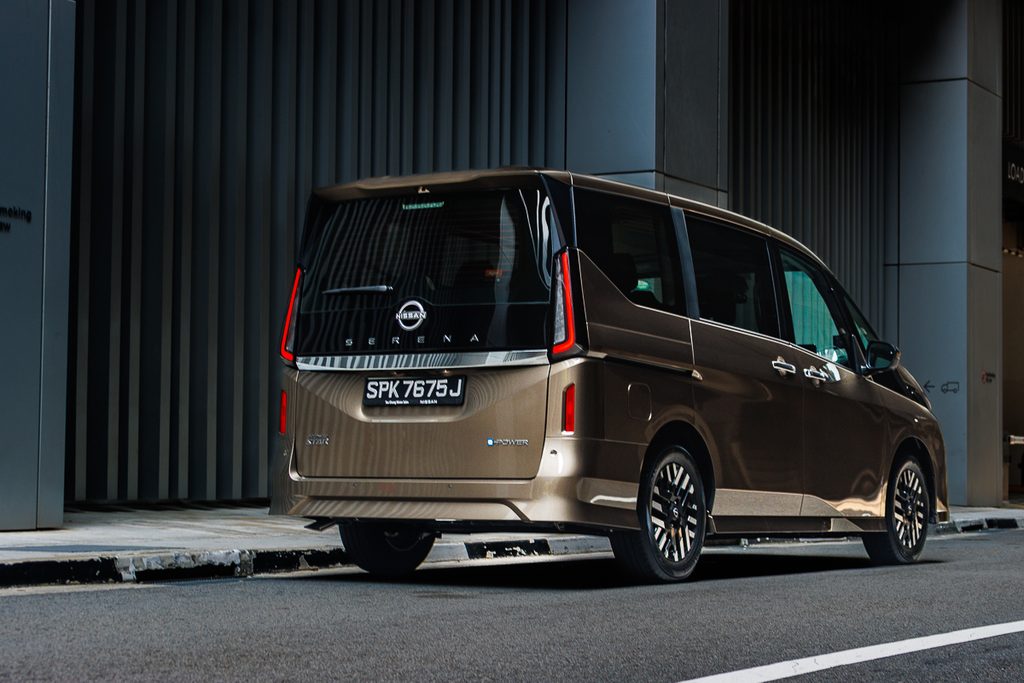
That makes it S$2,000 more than the seven-seater variant. Put another way, that extra seat works out to about S$16.70 a month over a full ten-year ownership period.
For an additional space to accommodate another backside, that does not sound like an unreasonable sum.
Text & Photos: Clifford Chow
| Pros | Cons |
|---|---|
| Fantastic fuel efficiency | Steering could use more tilt |
| Comfortable ride | Seats need more lateral support |
| Loaded with features | Lane Keep Assist can struggle without err… lane markers |
Nissan Serena e-POWER Smart 8
| Drivetrain | Petrol-electric hybrid |
| Layout | 1,433cc, inline 3 |
| Power / torque | 159hp / 315Nm |
| Transmission | Single speed reduction gear |
| Efficiency | 19.6km/l |
| Fuel Capacity | 52 Litres |
| 0-100km/h | – |
| Top Speed | – |
| VES Band | B |
| Dealer | Tan Chong Motor |
| Price | S$235,800 with COE |
| Verdict | Smooth delivery, seats up to eight, well thought-through interior |
- 2026 Nissan Serena e-POWER Hybrid Highway Star Smart 8 Facelift Review: Sweet Driving Serenity
- XPENG L03 SUV Coupé Launched in Singapore: 520km Range, Plenty of Tech and a S$202,999 Price Tag
- Li Auto Joins Singapore Market with Wearnes, to Set Up Showroom at Leng Kee Road

- BAIC and ARCFOX Bring Four More Chinese Models to Singapore Motorshow 2027

- Avatr 07 Electric Max 82.16kWh Review: Purple Reign