

No prizes for guessing that the new Toyota RAV4 is super-sensible. But this time around, we dare say that it doesn’t feel like white goods
Singapore – I find it really hard to reconcile the fact that the Toyota RAV4 is now over thirty years old. That would mean it is actually older than some of my industry colleagues who might also be reviewing this car.
Toyota’s small, civilised SUV was first introduced back in 1994. Back then, Nirvana was at its peak (and we lost Cobain), the sitcom Friends debuted, and Jim Carrey went viral in Ace Ventura – although the word “viral” wasn’t even used in the way it is today.
Now that I have mentioned all of that, it doesn’t even feel that long ago. Even the person who signed off this RAV4 press car to me wasn’t even born yet.
When the first Toyota RAV4 broke cover, it was a breath of fresh air. I have to point out, though, that Toyota wasn’t the pioneer of the civilised-ish compact SUV. That crown should probably go to the Suzuki Jimny, which was brought to us in the late 1980s.
But the first RAV4 was a distinctly different car from the then-Vitara. Suzuki relied on a proven body-on-frame design, which meant that its Vitara actually had some serious off-roading cred. Toyota, on the other hand, built an “actual” car based on a monocoque, which was ideal for city driving. Well, of course, it could also do some basic off-roading.
The RAV4 was refreshingly different from the average sedan that dominated the roads then, and it sold well. It was also one of the vehicles credited with helping journalists coin the term “soft-roader”.
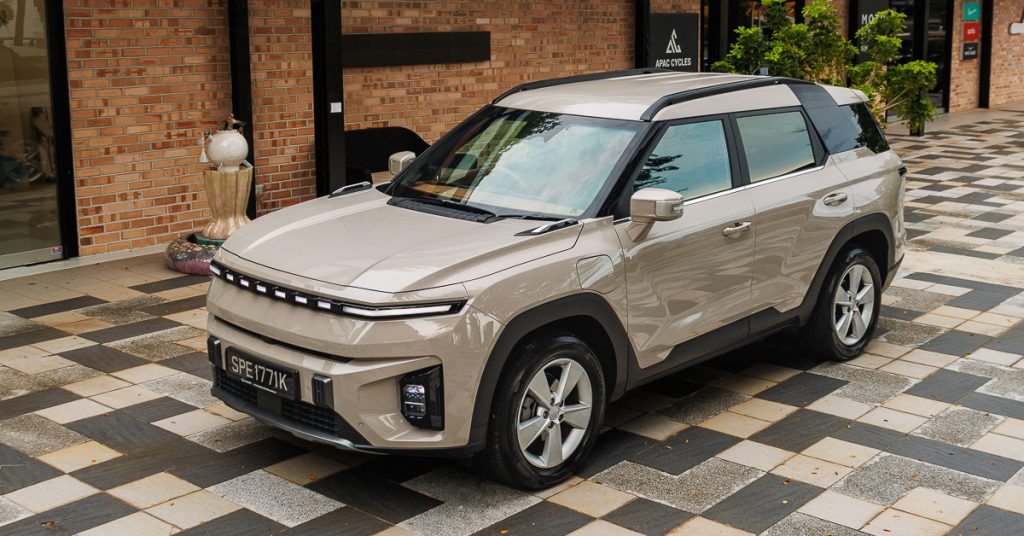
Three decades on, the new RAV4 finds itself deep in competition from both electric and ICE powertrains. It also doesn’t help that, as SUVs in this segment grew, manufacturers found a white space by creating a segment below where the RAV4 stands today – cue the Corolla Cross.
More “garang” for a Toyota
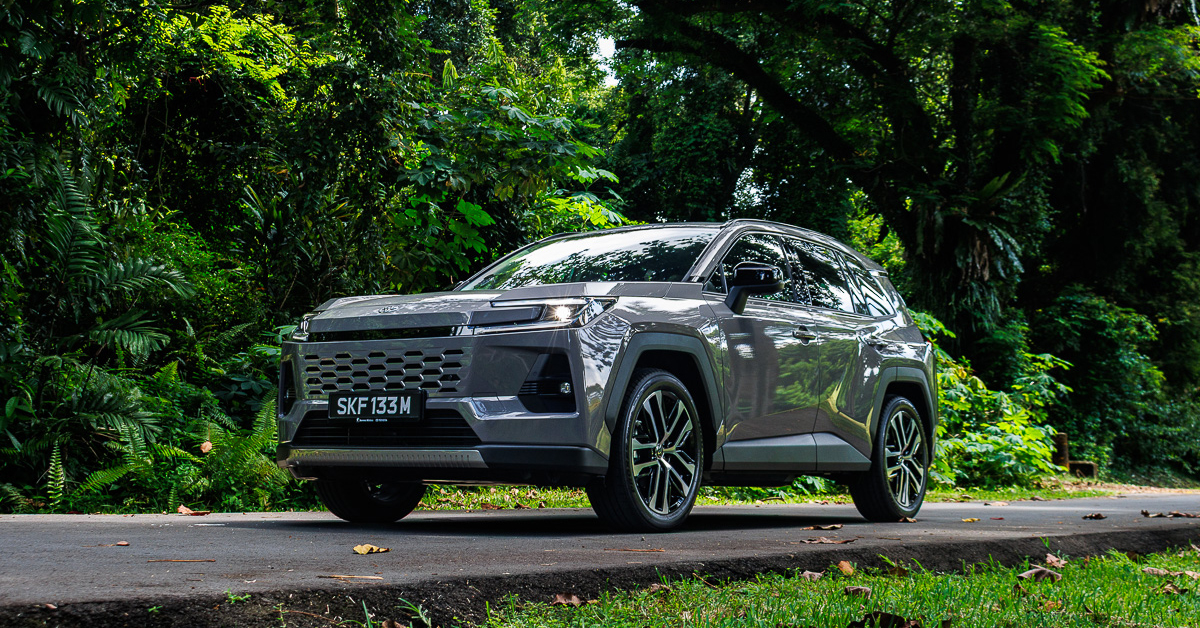
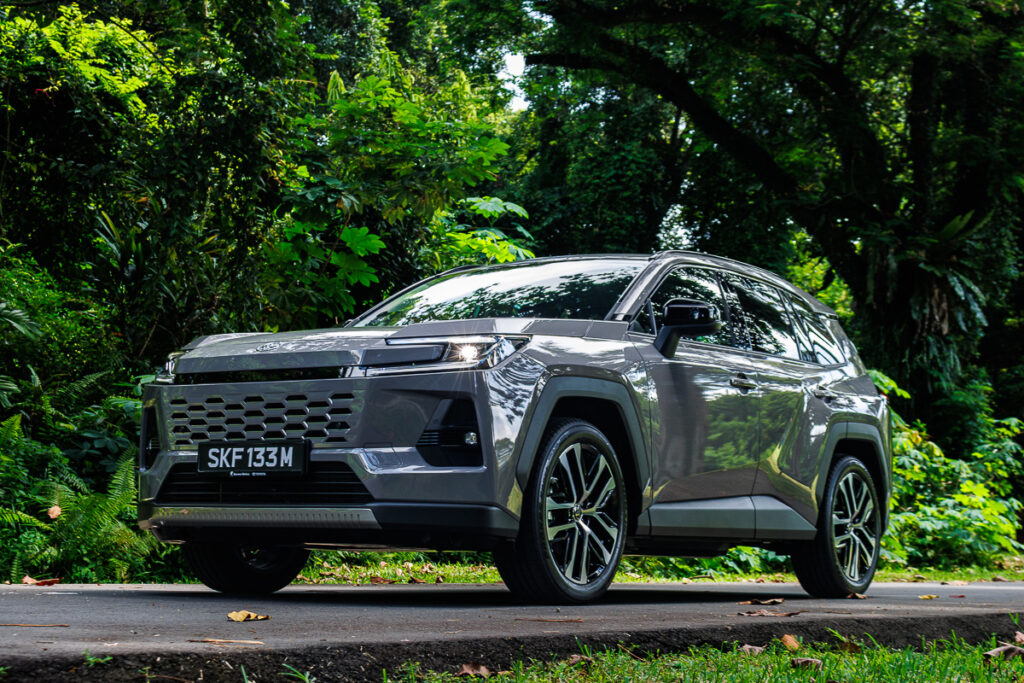
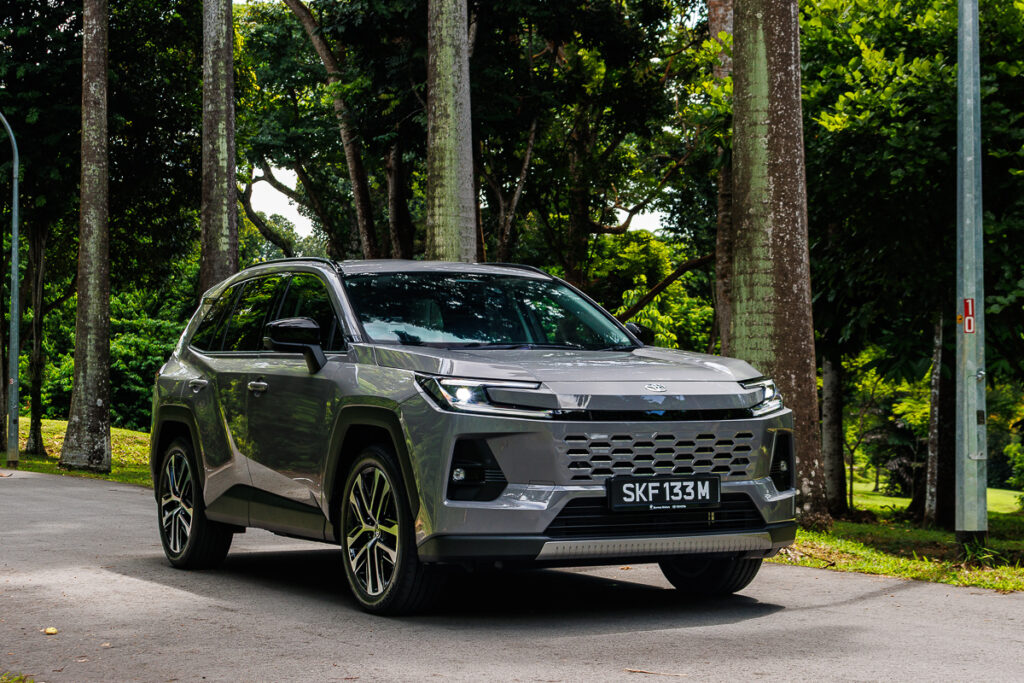
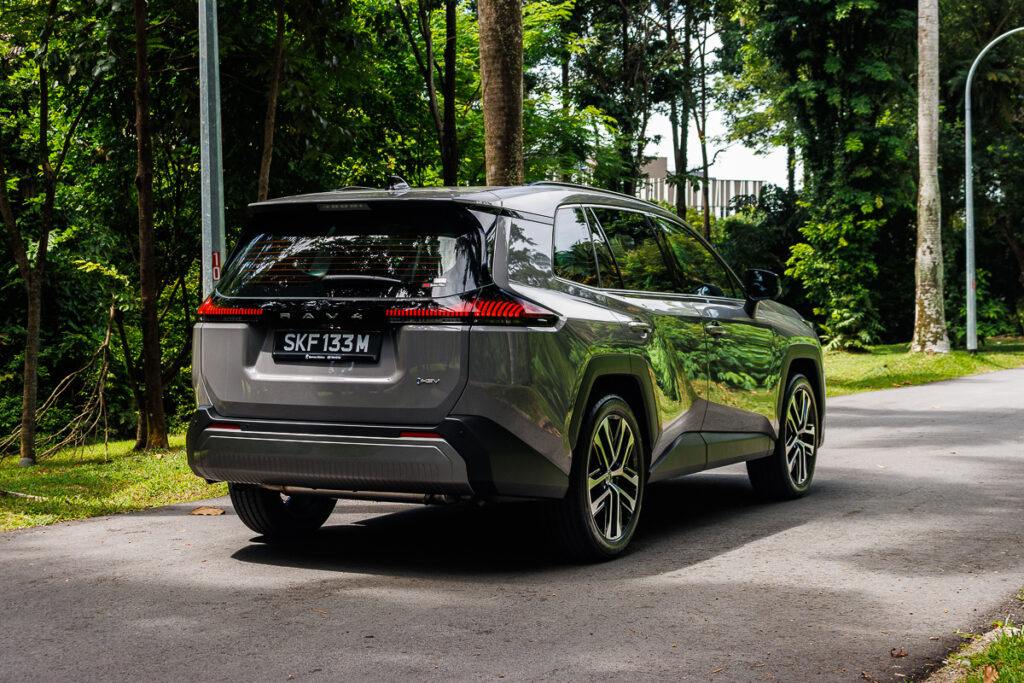
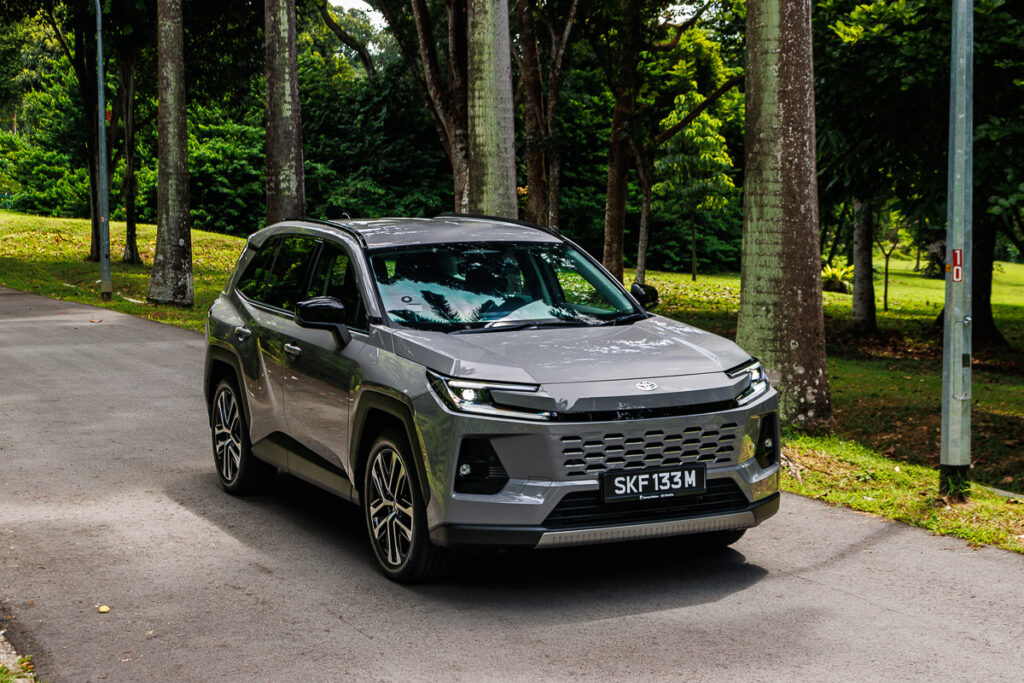
Toyota has “squeezed the juice” a little more with the styling of its sixth-generation RAV4. Up front, the compact SUV features Toyota’s current ‘Hammerhead’ light signature, which can also be found on the bZ4X. The honeycomb grille, which we first spotted on the Corolla Cross, blends cohesively with the car’s front end.


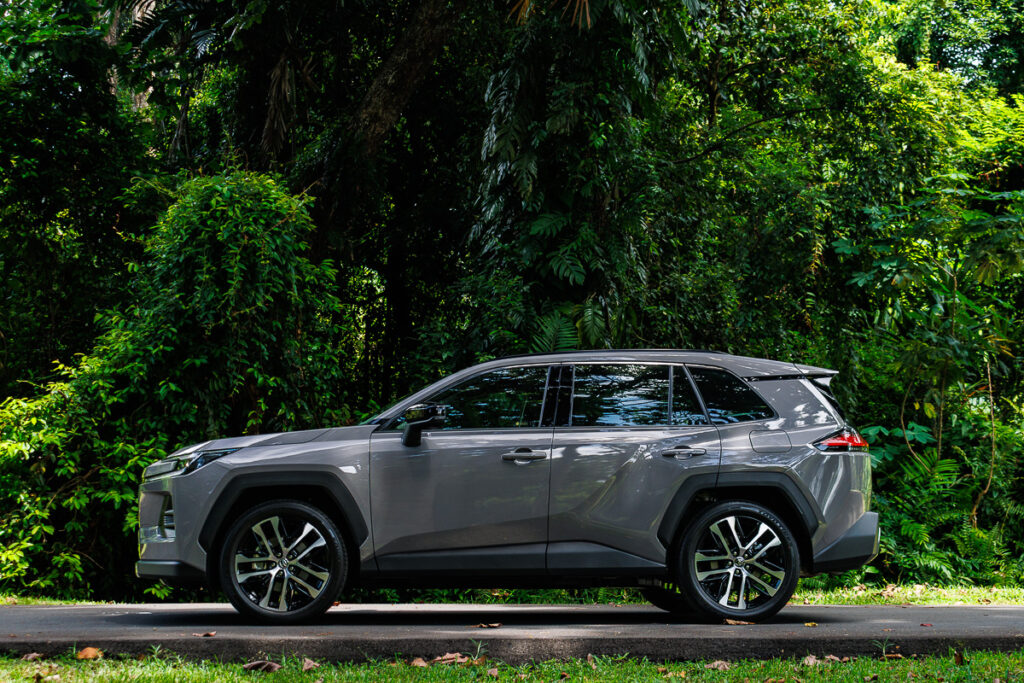
I like that Toyota has refrained from overly plying its SUV with chrome trim, allowing the RAV4’s body colour and accents to speak for themselves. The boxy body sculpting, together with that piano-black stripe on its C-pillar, hints at the Land Cruiser 250.
Finally, a proper interior
The new RAV4’s interior is a vast departure from the previous car. A pet peeve of mine has always been Toyota’s lack of interior quality. Over here, while things are still plastic, Toyota has greatly reduced the cheap-feeling, hard and scratchy bits.
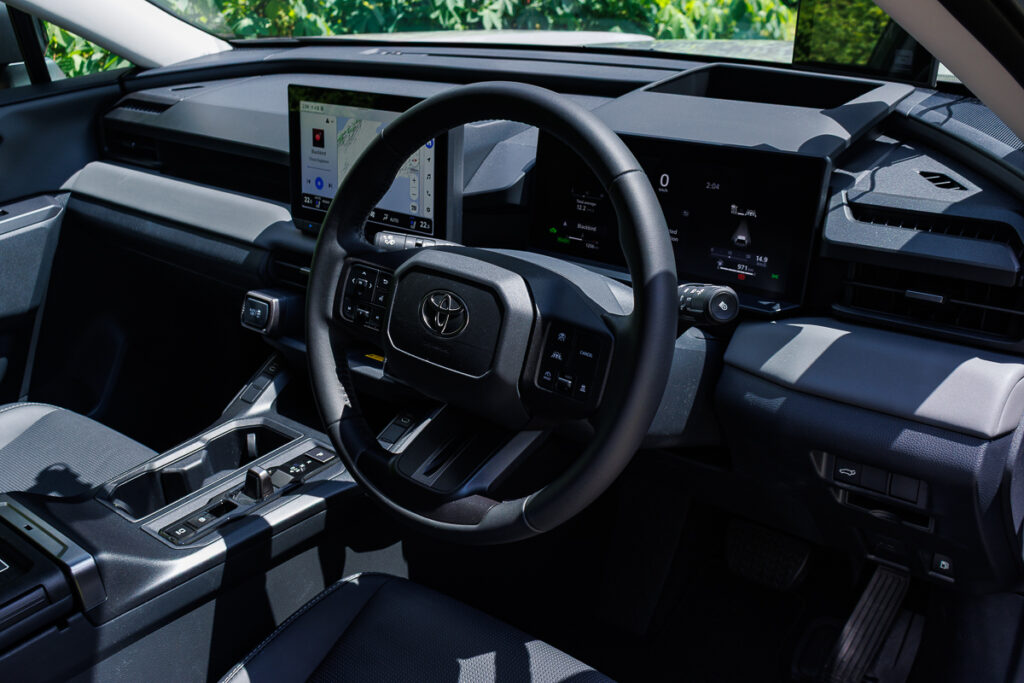
The dashboard features a padded bar that runs from end to end, while what would have been filled with chrome just a generation ago is now flat, matt-black panelling. The difference in quality here is truly night and day.
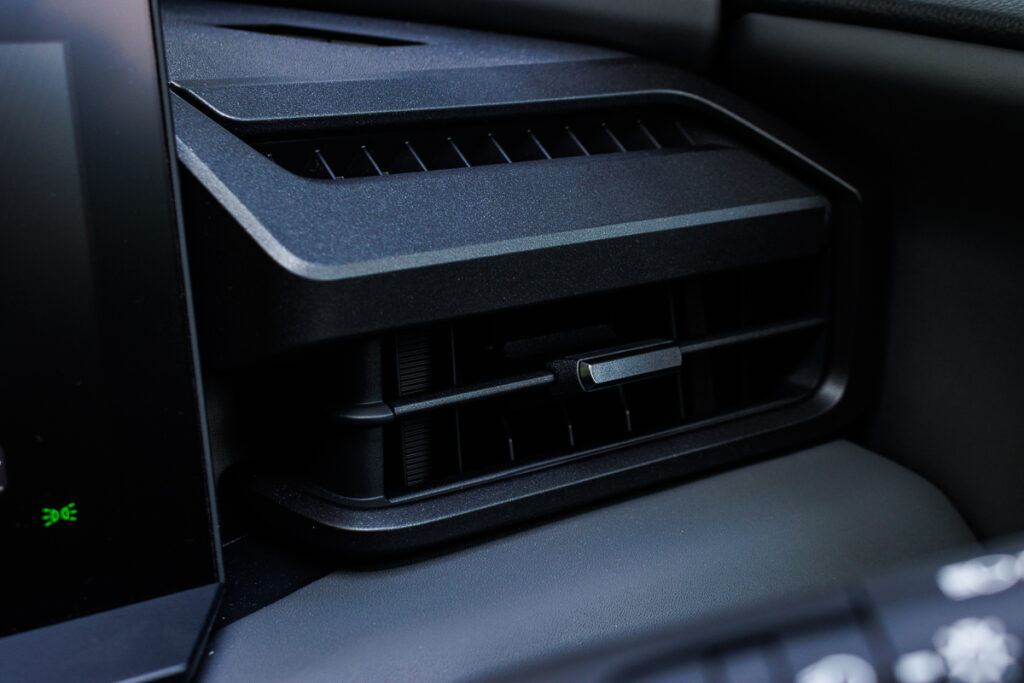
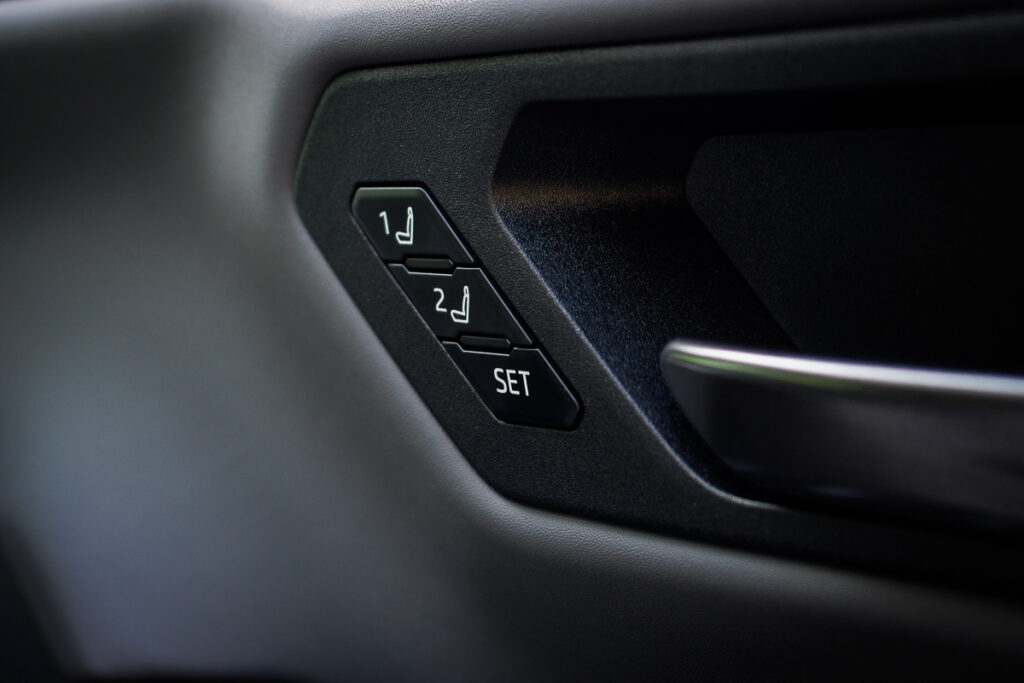
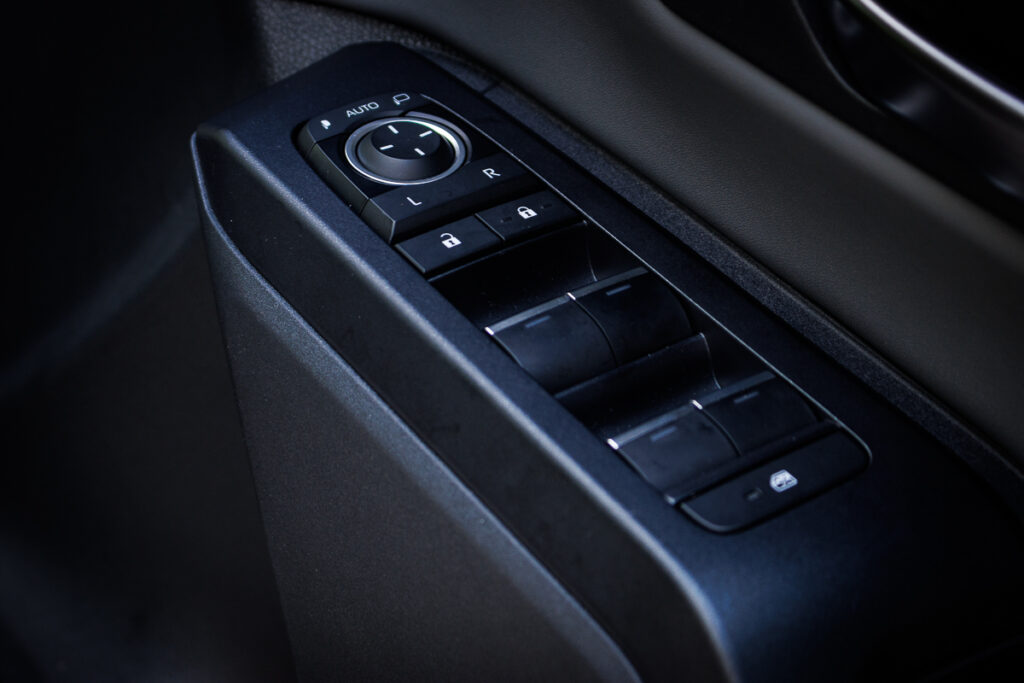
There is a new 10.5-inch infotainment touchscreen which, while not cutting-edge by today’s standards, does not feel dated at all. It is easy to navigate, and Toyota has, for convenience, left the toggles for most of the air-conditioning functions and front-seat ventilation at the base of the screen.
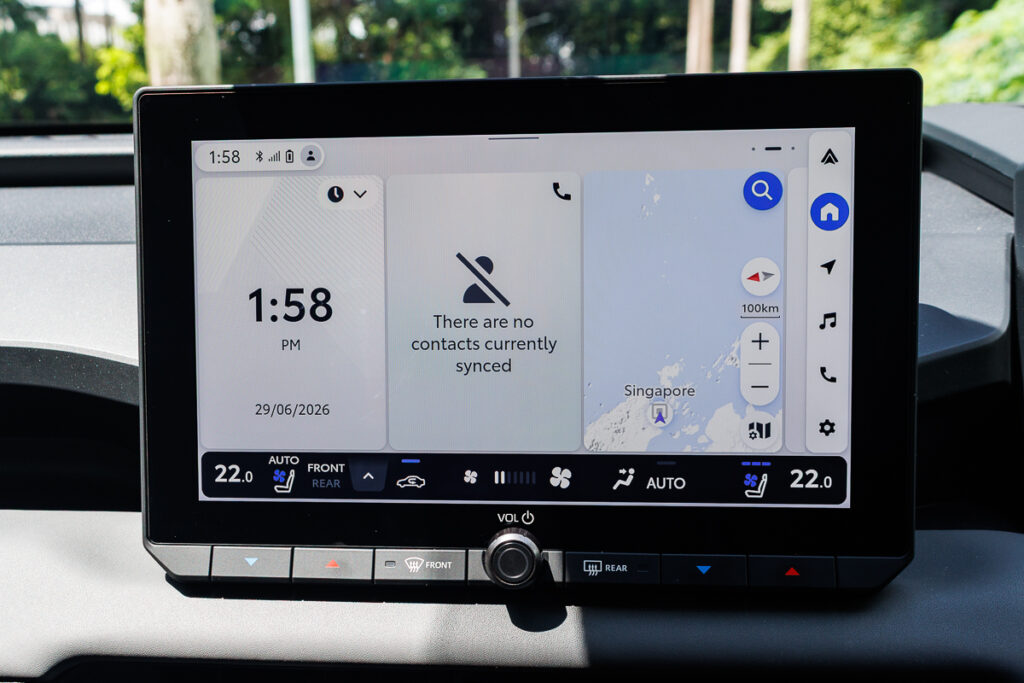
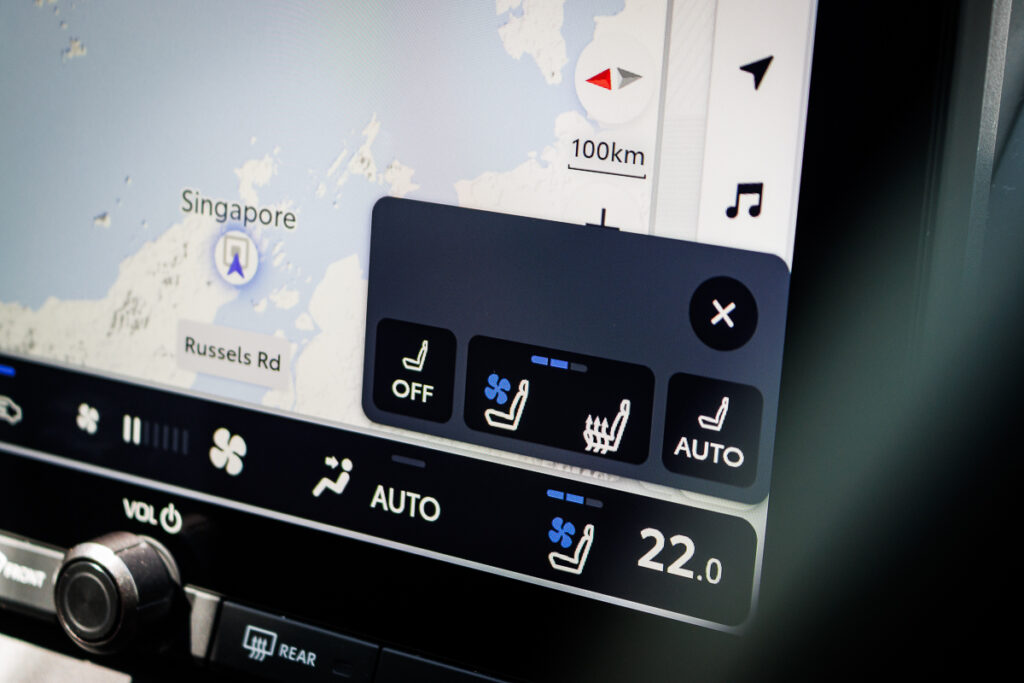
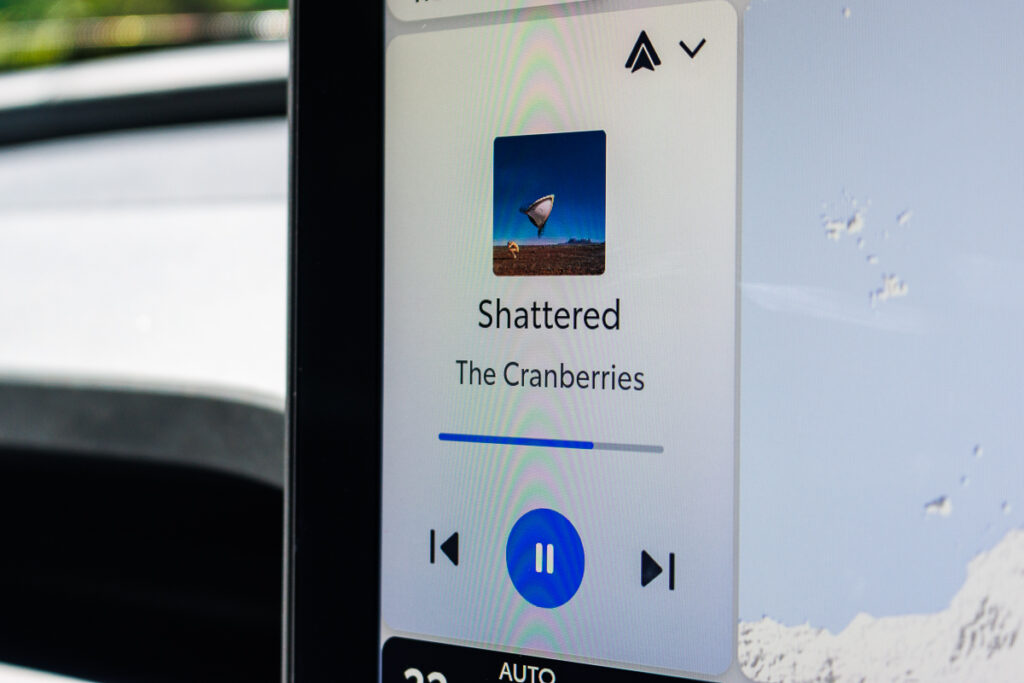
Both wireless Apple CarPlay and Android Auto are supported, while mobile devices can be charged via the RAV4’s two charging pads.
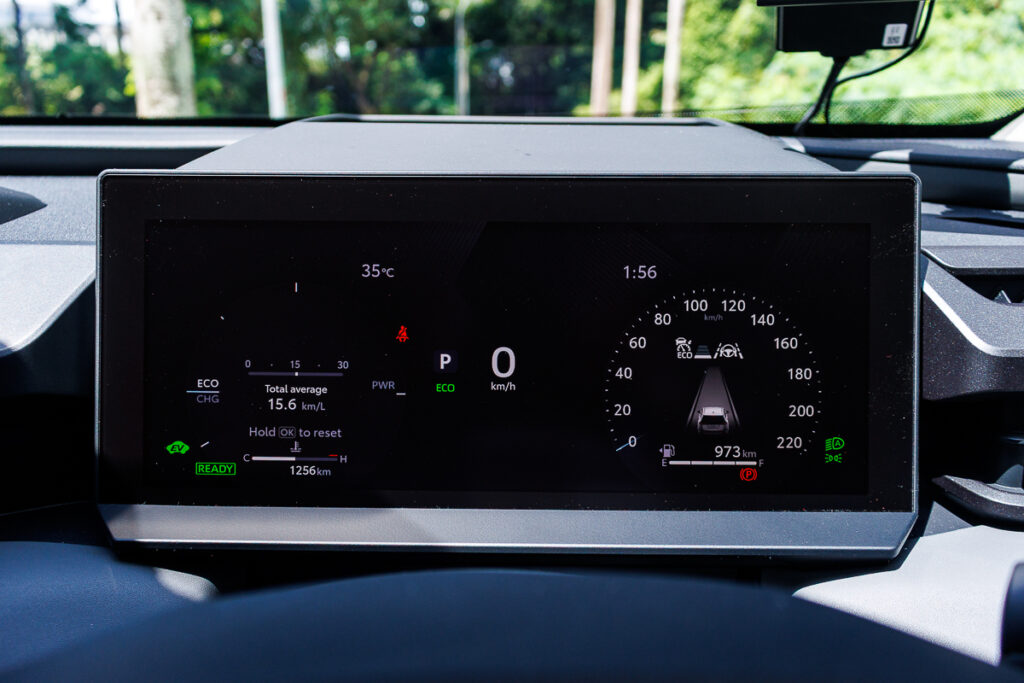
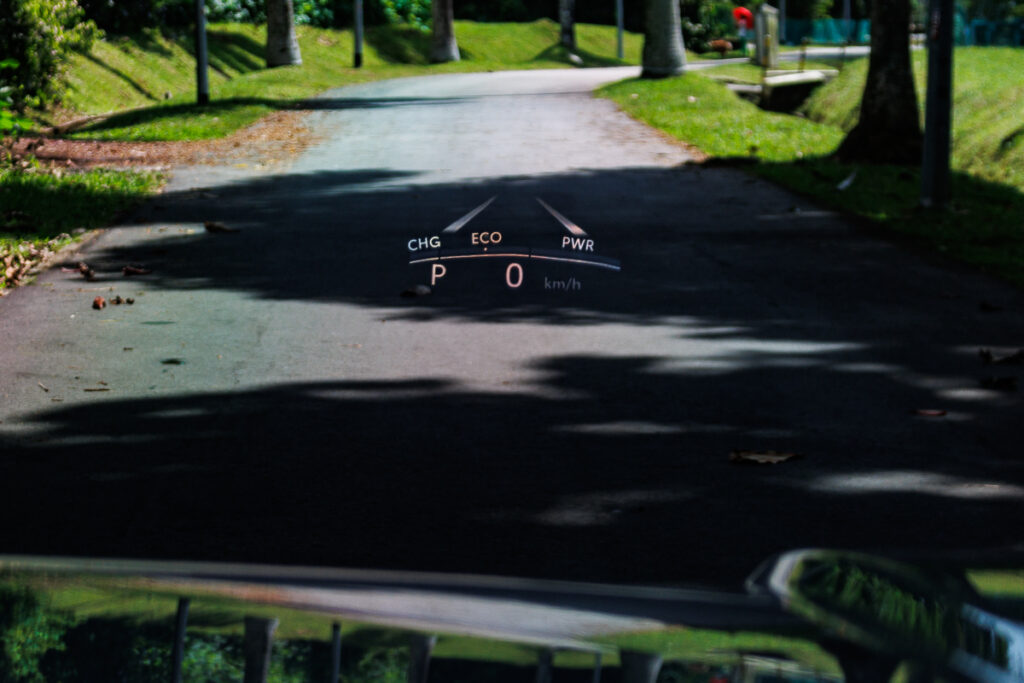
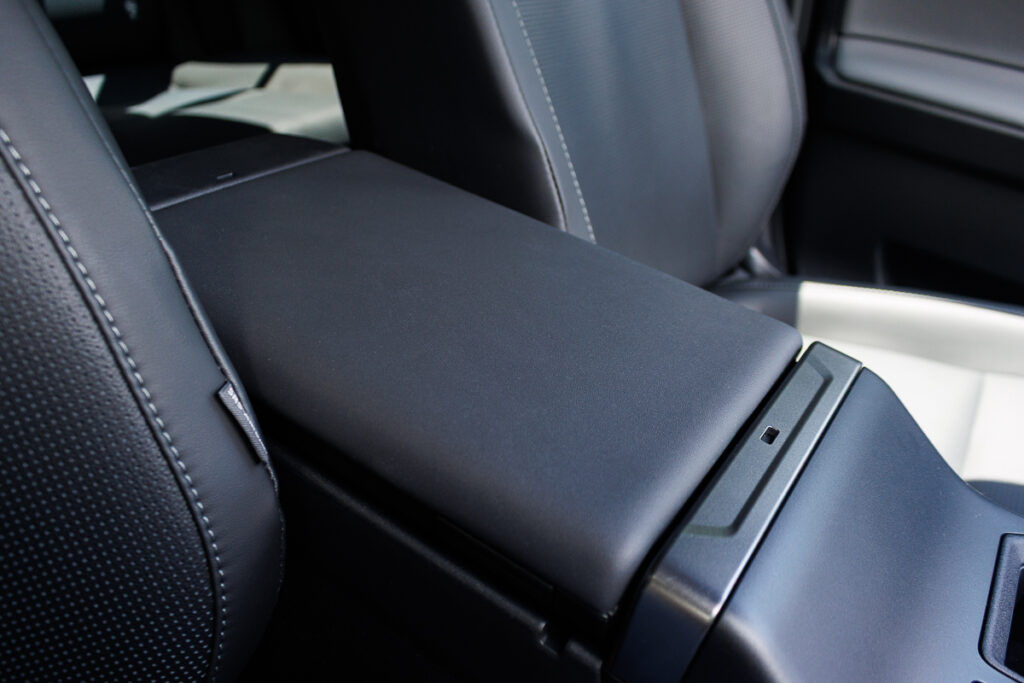
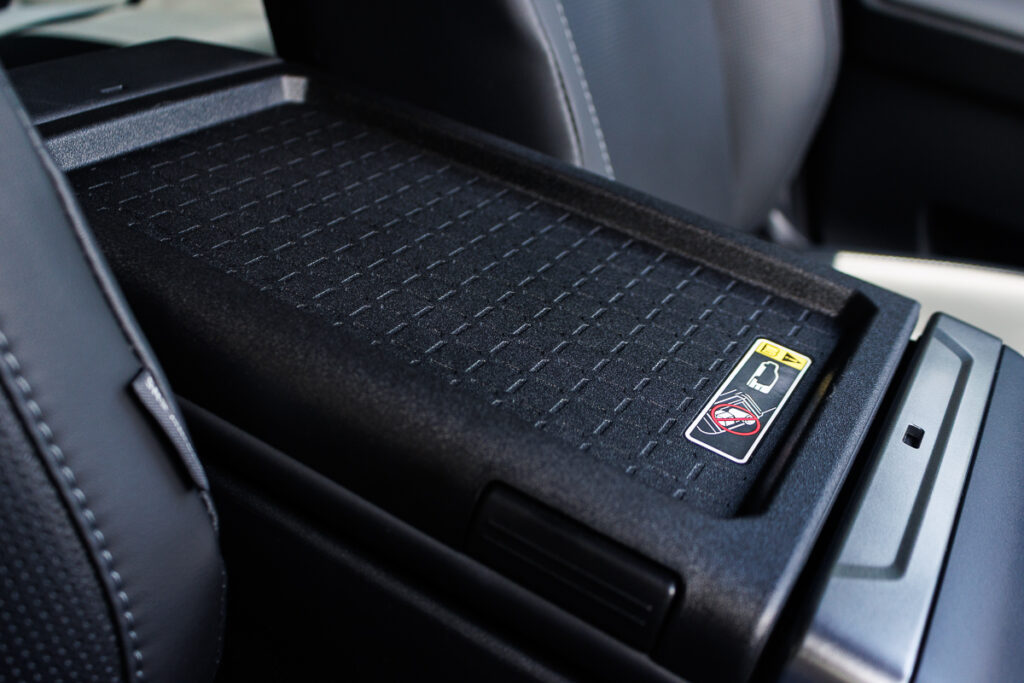
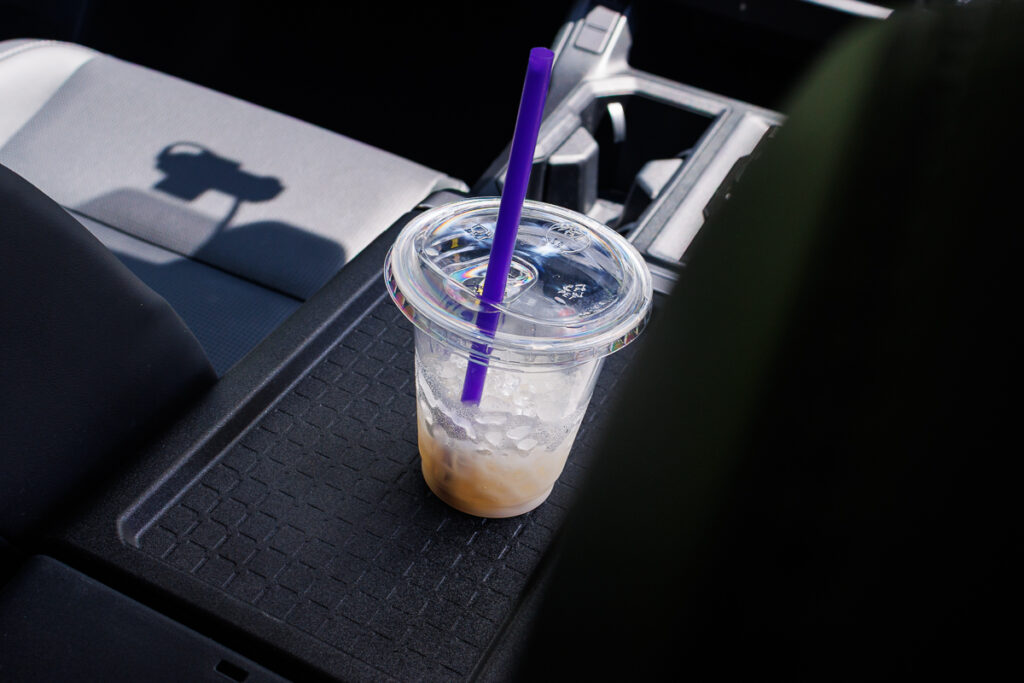
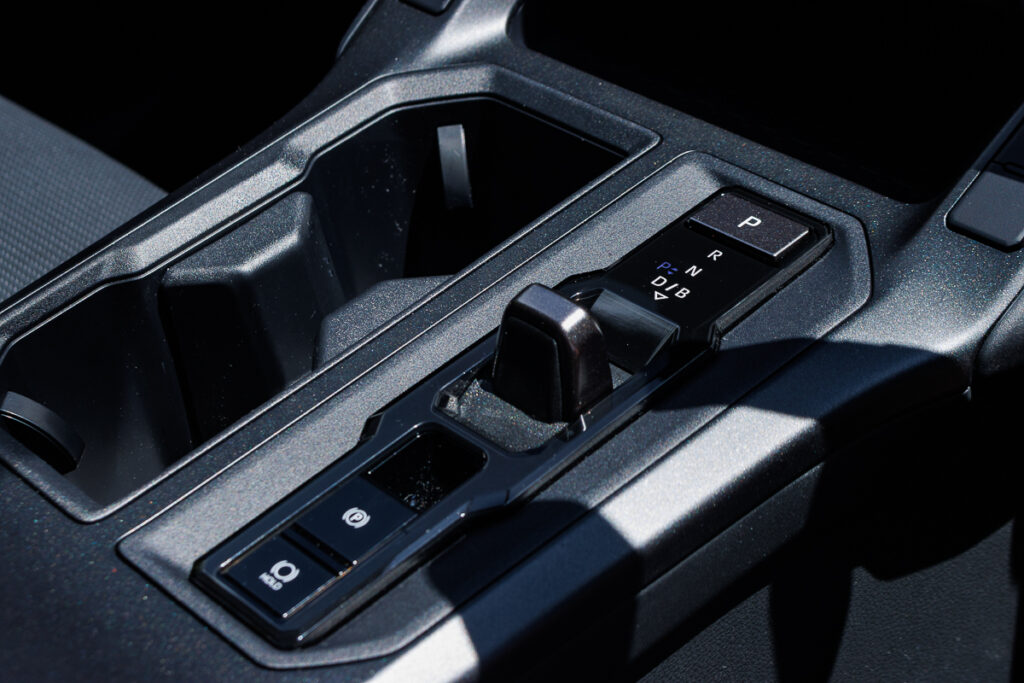
One of my favourite features is the centre-console cover, which can be flipped over to function as a tray. Toyota Singapore protested when I suggested that I could squirt some ketchup onto the tray and dip a few fries for the pictures… so this near-empty cup of iced tea would have to suffice.
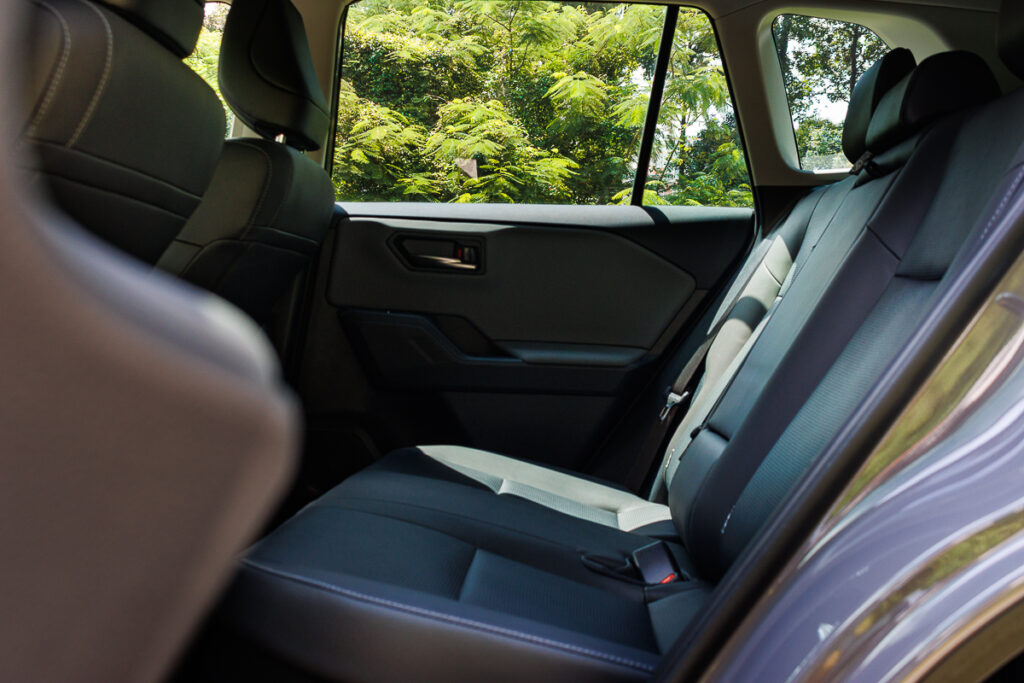
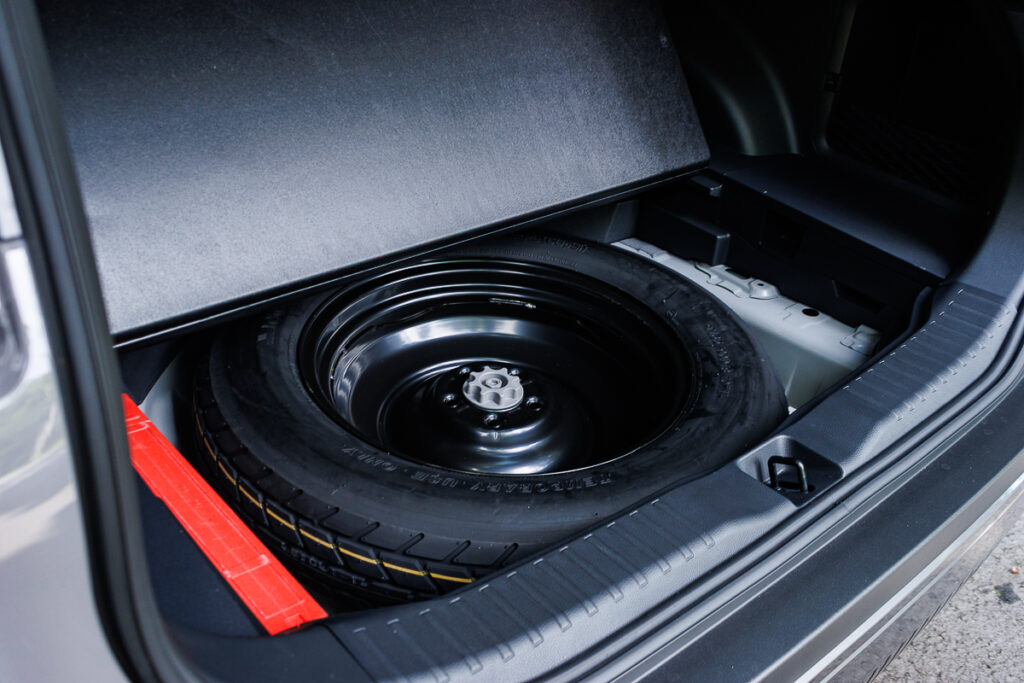
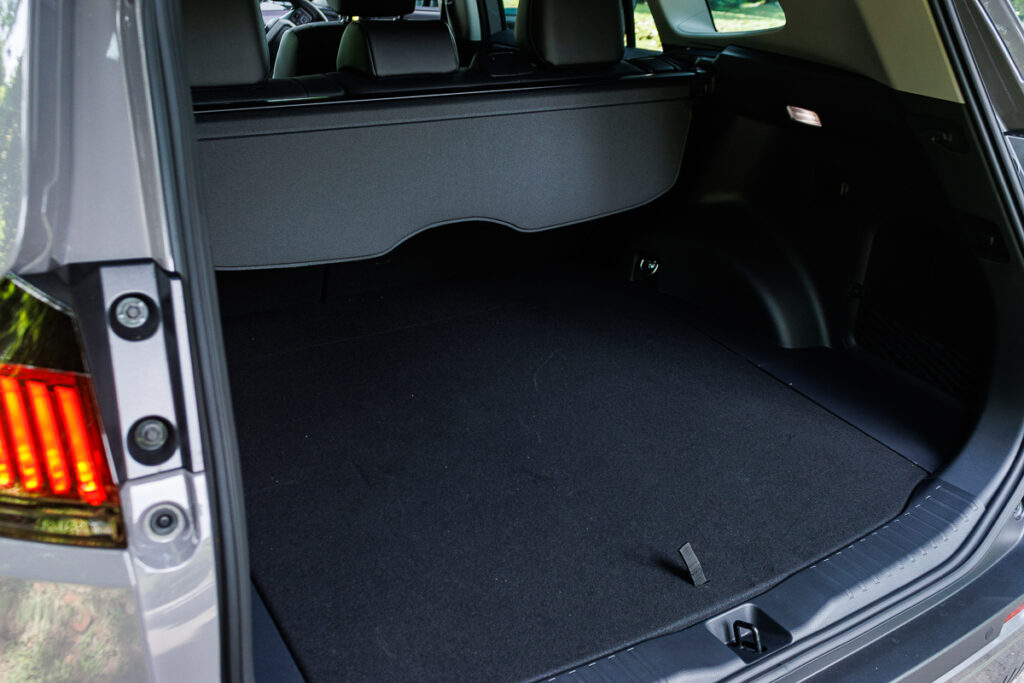
Rear passengers get respectable headroom and legroom, while the boot, at 749 litres, is by all means large. I like that Toyota has also stuck with an actual spare tyre, located under the boot floor, as opposed to a repair kit.
A delightful ride
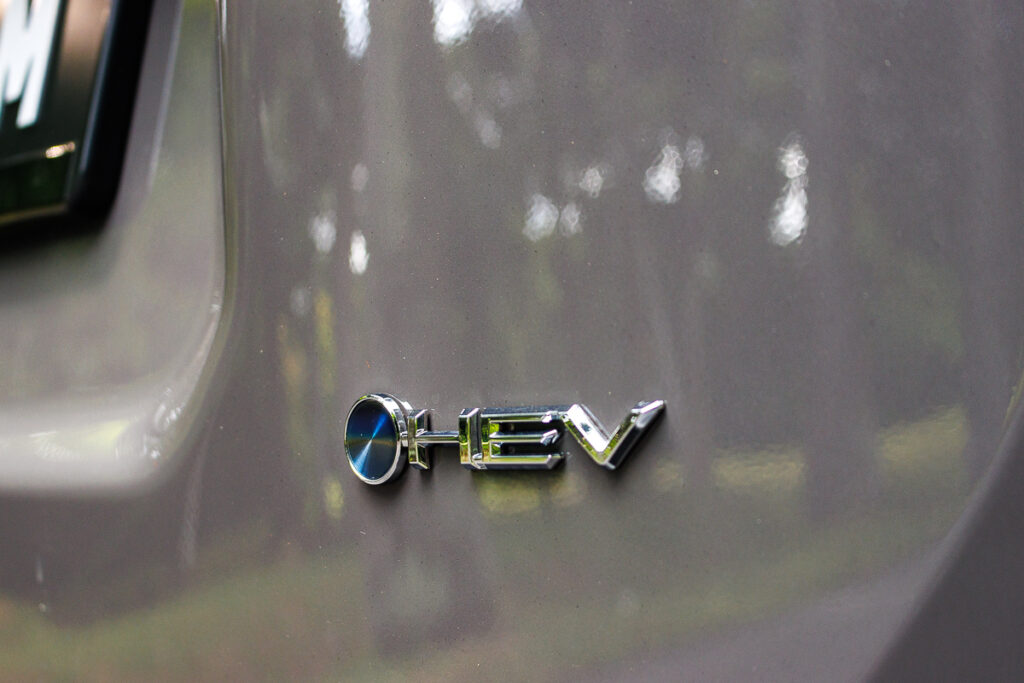
The RAV4’s 2.5-litre hybrid powertrain is carried over from the previous car. Over here, it puts out a system output of 212hp and 221Nm. From a standstill, the E-CVT, which is also part of the electric drivetrain, takes the brunt of the acceleration, with the engine cutting in later.
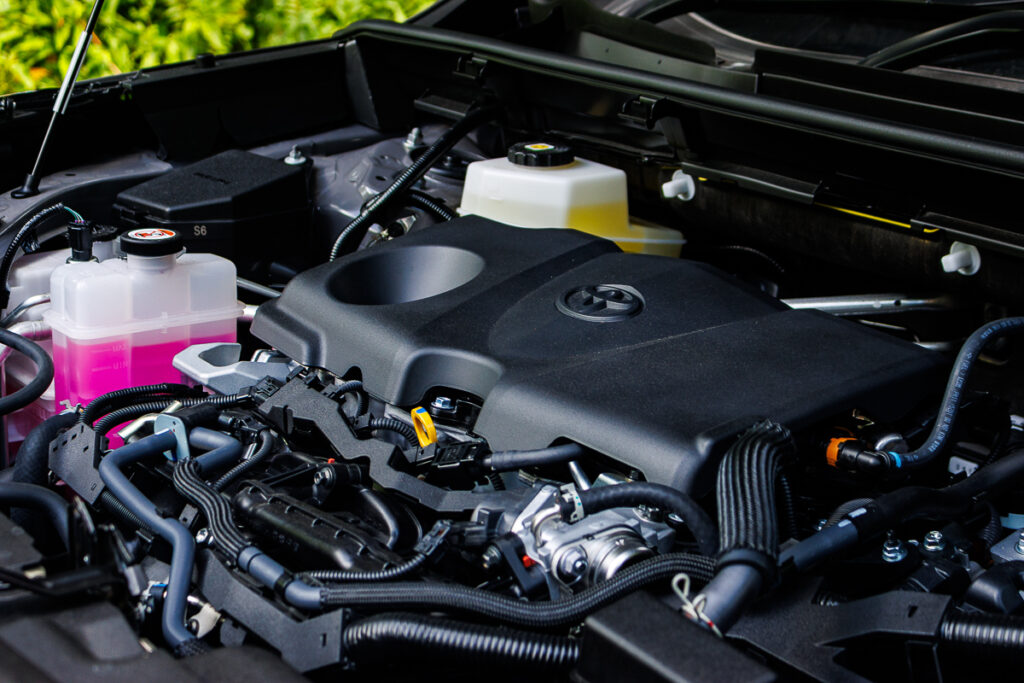
The overall drive is smooth, and you’re rewarded with relative quiet – aside from the whine of the motor. Drive it hard, though, and the RAV4’s four-cylinder engine begins to get extremely vocal, almost as if it is protesting your mild hooning.
While it does 0–100km/h in 8.0 seconds, it can get unpleasant holding down the throttle to get there.
Driven the way it is “meant to be driven” – that is, keeping the throttle near the edge of “unhinging” the engine – you should be able to attain fuel consumption figures close to 20km/l.
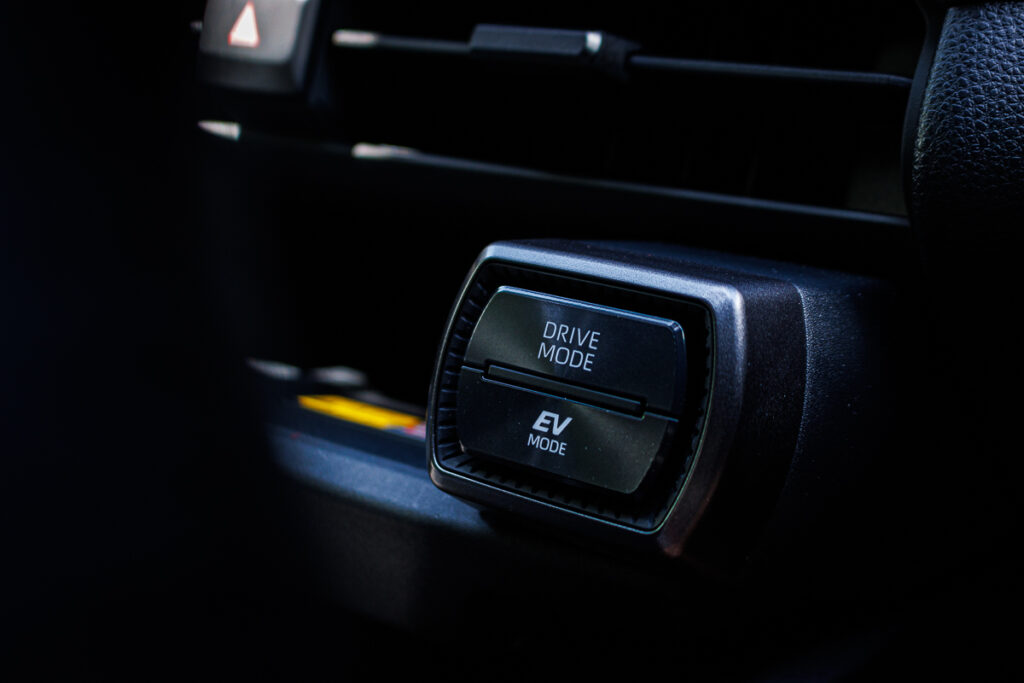
Around turns, the RAV4 performs decently without revealing any odd tippy-toppy surprises. The suspension is tuned to deliver a comfortable drive, with rear-suspension rebound over humps feeling well sorted. Wind noise comes largely from the wing mirrors, though it is hardly jarring.
It is, in almost every sense, a pleasant drive.
Not-so-affordable lah
The new RAV4 retails for $245,888*, which is rather expensive. A large part of this is due to our STUPendously high COEs. The hybrid drivetrain also costs a little more to produce.
Competition comes from many places. Models such as the Subaru Forester e-BOXER Hybrid are priced lower at $205,800*, while the Nissan X-Trail is priced more than $10,000 higher at $259,900*.
Volkswagen, on the other hand, has powered down its Tiguan as part of a tactical pricing strategy, with its SUV starting at $216,900*. VW’s sister company, CUPRA, offers the Terramar at $246,900*.
We also know that Mazda will soon be introducing its new CX-5 SUV. As for the Koreans, Hyundai’s refreshed Tucson starts from $262,999*.
Text & Photos: Clifford Chow
*Prices correct at time of publication
| Pros | Cons |
|---|---|
| Spacious cabin, (finally) some good quality interior bits | Engine noise when engine is worked |
| Comfortable ride | Pricey |
| Looks good on the outside |
2026 Toyota RAV4 Hybrid 2.5 Premium
| Drivetrain | Petrol-electric hybrid |
| Layout | 2,487cc, inline 4 |
| Power / torque | 212hp / 221Nm |
| Transmission | E-CVT |
| Efficiency | 19.6km/l |
| Fuel Capacity | 55 Litres |
| 0-100km/h | 8 seconds |
| Top Speed | 180km/h |
| VES Band | A2 |
| Dealer | Borneo Motors |
| Price | S$245,888 with COE and VES |
| Verdict | A good-looking exterior, paired with decent interior quality. The Toyota RAV4 has way more appeal now |