

For a long time I never understood how or why people loved petrol cars, what with their deafening engines. But strangely, as the world shifts to electric silence, I found myself starting to listen
For most people, a car is a hunk of metal held together by small metal bits. Slap some wheels on and you have a piece of private transportation that has potential to hold your bank account at gunpoint. It also gets excruciatingly hot under the Singaporean sun.
However, there are folks who stare at cars with awe, appreciating what’s under the badge and bonnet. Most of all, they LOVE huddling together to discuss their cars, other people’s cars, news about cars, new cars, old cars, or, basically, cars.
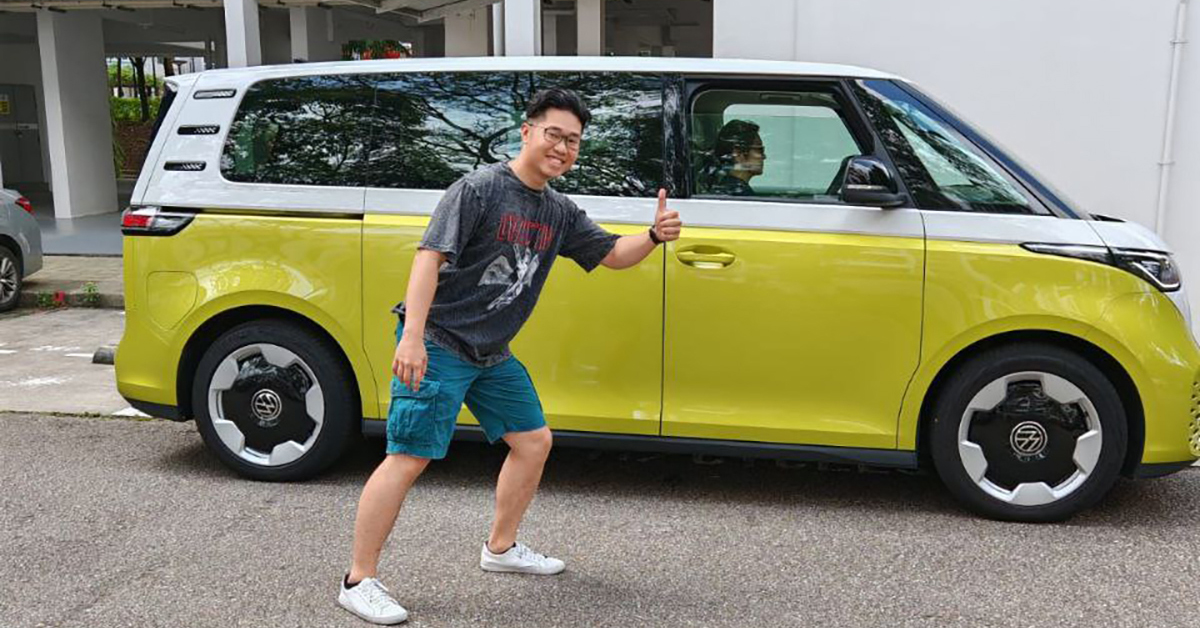
Myself, for the initial majority of my life, I could never be impressed by anything car-related. Cylinders only mattered in math questions, and going turbo just meant running faster when we played ‘catching’ as kids during school recess. It was many years later when I stumbled into a job in Volkswagen Group Singapore that things slowly changed for me.
Particularly, it was a few individuals I worked closely with in that old job whose passions were influential enough to rub off on me. The appeal grew, and I understood more – about why cars seemed and sounded cool to those who would look and listen.

Call them “petrolheads”, “gearheads”, “car nuts”, they are a fiercely passionate bunch. And wide is the chasm between someone who loves them, and someone who couldn’t care less.
To try bridging the gap, let’s agree on some things:
Cars offer various thrills and intrigues. Be it distinct looks, rich histories, or fun gimmicks.
Those engines that roar unabashedly down the highway can be impressive.
It’s also impressive that the Fast and Furious franchise is still going on.
Some personal friends of mine have told me they never quite understood the die-hardness behind the die-hard car community. Having been someone like that before, in some way, I guess I can offer sprinkles of an amateur explanation for anyone else who might feel that way to, again, try to bridge that gap. In this spirit, let’s use the apt acronym ‘FUEL’:
Freedom/Friction
Since the days of Thelma and Louise up to Baby Driver, there’s something magnetic in stories that end with someone driving off into the unknown. There’s a freedom that comes from such an experience. Whatever destination, how fast or slow we get there, is up to us.
I’ll go grab a bite. I’ll take this route instead of that one. I’m off to meet my mates today. Should I run that errand now or later? It’s like liberation on your own terms, an indicator of growing up and making decisions (wise ones, we hope).
But why is ‘Friction’ up there too? Well, that’s more about what’s going on now.
Today’s discussions inevitably circulate electrification and the ominous future of petrol power. There’s increasing resistance against driving petrol, mostly from environmental concerns.
“Mostly it’s loss that teaches us about the worth of things,” Schopenhauer wrote. For the car nuts, this friction could define some experiences of now, like shopping for parts, admiring kits. If all petrol cars disappeared overnight, it’s unlikely we’d mourn specific cars more than we’d mourn the ideas of them and the life they represented.
“Your pet won’t be around forever, so cherish them while they’re still around”. I mean, that’s a grim way of putting it, but it might be the same deal with ICE cars.
Uniqueness
About Volkswagen – The bright, bouncing Beetle attracts attention differently from the Golf R blazing past.
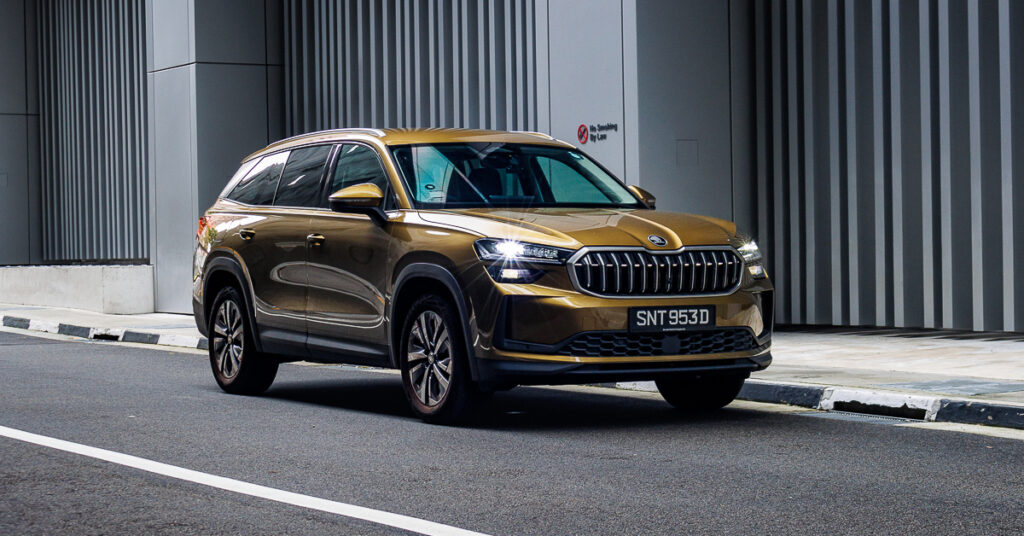
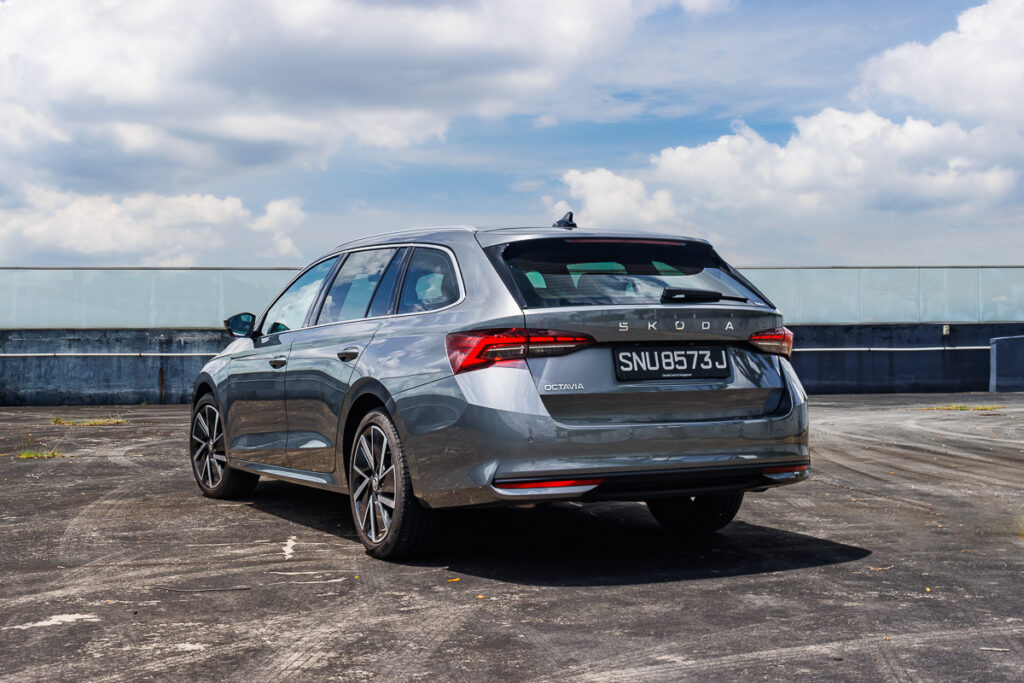
About Skoda – You probably wouldn’t drive a Kodiaq RS the same way you drive a Superb.
No two cars feel or drive exactly the same. It speaks to you from the powertrain underneath for your hands to translate on the steering wheel. Add your feet on the pedals and it becomes a kind of stepping dance. The roads are the ballrooms, and the dancing couples are drivers and their cars.
As with ballroom dancing, the couples avoid bumping into each other. But y’know. (I won’t finish this point)
Perhaps where the deepest adorations grow further, stem from what is done to the car. Spending so much time inside it, of course it should come across as uniquely yours:
Choosing a colour, swapping or adding parts, adding little knick-knacks or faith-based items, these touches make the car a projection of our passions and choices that makes it distinctive, to exclaim “this is my car”.
Emotions
There is some poetry in the bond that can form between a human and a machine that is just doing the job you tell it to. It could be the ‘shared’ confined space, it could be its representation to take our mind off things, it could be from all that time dancing on the road.
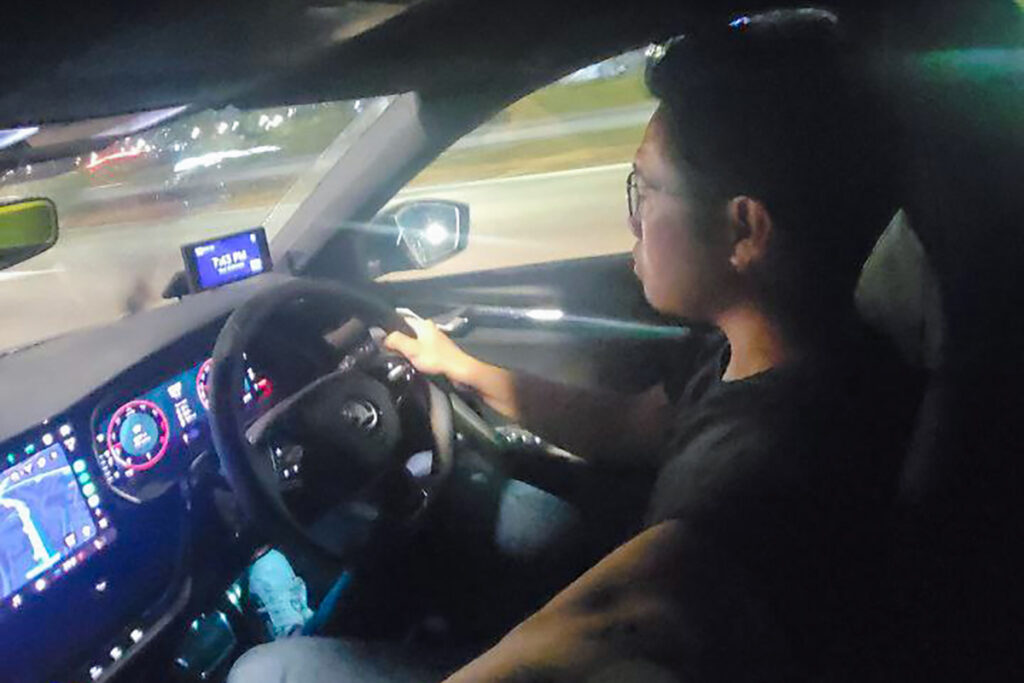
That half-second after parking when I turn back to glance at the car – it might not be just checking the car is locked. There’s probably some sentiment lying underneath there, as if to say, “thanks for getting me here safe”, or “thanks for being an enjoyable ride”.
The mileage going up means a collection of memories on the road, from spirited night drives to slow, congested mornings. It’s our favourite songs playing, our loved ones hitching a ride. That time certainly isn’t meaningless. When inevitable separation comes, there’s no shame in feeling heartbreak, really. Sure, the only constant is change, but it’s also the human experience to be bound by attachment, then stung by it.

Life itself
Automobiles represent history. They’re a physical way to trace human innovation and progress, instead of conventional storytelling. Hand cranks, carburettors, automatic transmission, airbags and air conditioning becoming standard, and now electric cars have massaging seats and can park themselves (imagine the reactions of the Amish).
The Mustang, the Countach, the Supra, there’s a long list of immortal icons around the world with fascinating stories. That kind of legacy is hard to achieve unless you’re Michael Jackson or Pikachu.
If world history is too lofty, personal history works too. I remember my parents taking us up to Malaysia in a Toyota Picnic when I was little. I remember the nervousness driving my dad’s Mercedes after I had just passed my driving test. Different cars we’ve experienced become attached to certain memories or life stages. While you can take a car away from someone, you can’t take their memories away from them.
I guess what I’m saying is…
This isn’t some Aristotelian persuasive article to try to convince someone to love cars, because not everyone must. But maybe these writings are an expression of my beginning to understand why people genuinely love ICE cars. Heck, they even love the smell of petrol (that’s more of benzene’s effect on the nervous system but let’s just call it ‘enthusiast’s enthusiasm’).
Maybe these writings can help put into words the feelings we can’t rationalise or articulate when we drive these pricey, playful, polluting, problematic, darlings.If you asked me personally? I’m still not really a petrolhead, at least not when compared to some of the other folks I’ve met in this industry. I’m really more of a quiet admirer. But that said, I do think the new Cupras are pretty kick-ass, the design of MINIs have been growing on me, and the old soul in me loves the film Back to the Future so much my next tattoo might be a DeLorean DMC-12.
Text & Photos: Titus Tang